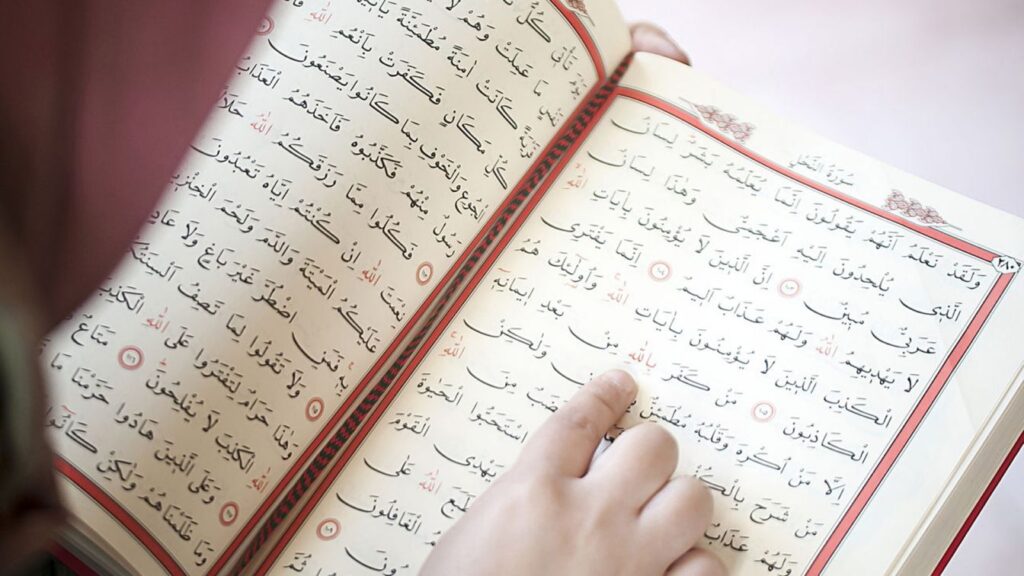
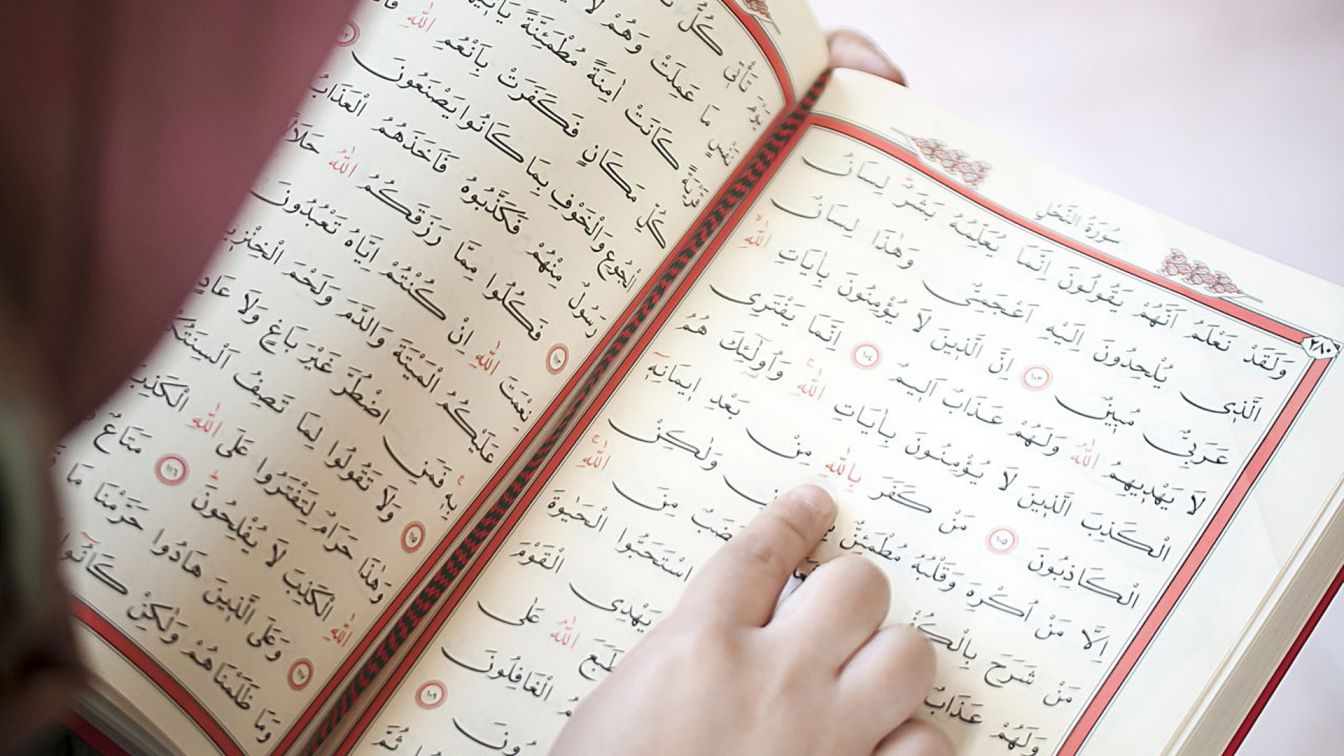
Learning the Quran for beginners can seem overwhelming at first, but with the right guidance and approach, it becomes a rewarding and spiritual experience. Correct pronunciation, known as Tajweed, is essential to understand and recite the Quran properly. Beginners often face challenges with Arabic letters, unfamiliar sounds, and fluency. By following structured steps and consistent practice, anyone can develop confidence in reading the Quran. Starting with small portions, mastering basic rules, and gradually increasing knowledge ensures steady progress. This article will guide beginners through practical methods and tips to read the Quran accurately and improve pronunciation while keeping the learning journey simple and meaningful.
Understanding the Quran for Beginners
Before diving into recitation, it is important to understand the basics of the Quran. The Quran is divided into chapters called Surahs and verses known as Ayahs. Beginners should start with shorter Surahs to build familiarity with common words and sounds. Understanding the meaning of verses enhances comprehension and makes recitation more purposeful. Reading transliterations can help initially, but the goal is to transition into reading directly from Arabic text. Developing a habit of daily reading, even for a few minutes, is more effective than long, irregular sessions.
Why Pronunciation Matters
Correct pronunciation ensures the Quran is recited as revealed. Mispronouncing letters or vowels can change meanings, making proper training essential. Beginners often confuse similar-sounding letters such as Saad (ص) and Seen (س) or Daad (ض) and Daal (د). Practicing each letter individually, listening to professional reciters, and repeating aloud can significantly improve clarity. Consistency is key to mastering these sounds and building confidence in recitation.
Step-by-Step Approach to Quran for Beginners
- Learning Arabic Letters
Start by learning all 28 Arabic letters with correct pronunciation. Use visual charts and audio resources for reference. Begin with letters that are easier to pronounce and gradually move to more challenging sounds. Practice each letter daily to strengthen memory and accuracy.
- Understanding Short Vowels (Harakat)
Short vowels — Fatha, Kasra, Damma — guide pronunciation of letters in words. Beginners should practice reading small words with these vowels repeatedly. Flashcards and writing exercises can help reinforce learning. Correct usage of Harakat prevents misreading and prepares for fluent recitation.
- Practicing Tajweed Rules
Tajweed rules ensure proper rhythm, pauses, and articulation. Key rules include:
- Ikhfa: Softening certain letters when followed by specific sounds.
- Idgham: Merging letters for smooth flow.
- Qalqalah: Slight echoing for specific letters.
Beginners should learn one rule at a time and apply it while reciting. Audio guidance from experienced teachers makes this easier and more accurate.
- Reciting Short Surahs Daily
Start with simple Surahs like Al-Fatiha, Al-Ikhlas, and Al-Falaq. Repeat each verse multiple times while focusing on pronunciation. Gradually increase to longer Surahs once confident. Reading aloud helps internalize correct pronunciation and builds fluency.
- Recording and Reviewing Recitation
Recording recitation allows beginners to compare their reading with professional reciters. Listening to mistakes and correcting them improves learning efficiency. Regular review also boosts memorization and ensures steady progress.
Tools and Tips for Quran for Beginners
- Use digital Quran apps with transliteration and audio for reference.
- Join online classes or local Quran schools for guidance.
- Practice consistently, even for 15–20 minutes daily.
- Recite slowly to focus on pronunciation rather than speed.
- Pair reading with understanding to strengthen connection with verses.
Consistency, patience, and gradual progression are the foundation of mastering the Quran for beginners. Learning with proper pronunciation ensures a lifelong skill and spiritual enrichment.
Ilm Al Quran: Building Knowledge and Confidence
Ilm Al Quran refers to the knowledge of the Quran and its teachings, emphasizing both recitation and understanding. Beginners who follow structured learning, Tajweed rules, and consistent practice develop not only correct pronunciation but also deeper insight into the Quranic message. This knowledge empowers individuals to connect with spiritual guidance, enhance memorization, and gain confidence in daily recitation. By dedicating time and effort, learners can experience the beauty of the Quran, strengthen faith, and lay a strong foundation for lifelong Quranic studies.