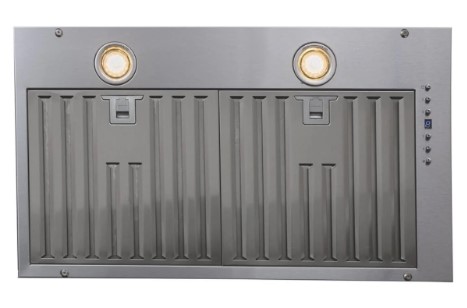
Range hoods are essential kitchen appliances that remove smoke, grease, odors, and heat generated while cooking. Not only do they improve indoor air quality, but they also help protect cabinets, walls, and ceilings from grease buildup. Choosing the right range hoods can feel overwhelming, given the variety of styles, sizes, and ventilation options available. This guide breaks down the most important factors to consider so you can select the best range hood for your kitchen.
Why Range Hoods Matter
Cooking releases airborne contaminants like carbon monoxide, nitrogen dioxide, and particulate matter. According to the U.S. Environmental Protection Agency, indoor air pollution can be 2 to 5 times higher than outdoor air in some homes. Range hoods help reduce these pollutants by capturing and exhausting them outdoors or filtering them through charcoal filters. Additionally, a good range hood reduces lingering odors and prevents grease from accumulating on surfaces, which can lead to discoloration and damage over time.
Types of Range Hoods
Ducted Range Hoods
Ducted range hoods expel air outside your home through ductwork. They are considered the most effective option for removing heat, moisture, smoke, and cooking odors. Because they vent air outdoors, they also help prevent moisture buildup in your kitchen. However, installation can be more complex and expensive due to the need for ducts and professional installation in some cases.
Ductless Range Hoods
Ductless range hoods, also known as recirculating hoods, pull air through filters and then release it back into the kitchen. These hoods are easier to install and are ideal for apartments or homes where ductwork is not possible. While they do remove some odors and grease, they are generally less effective than ducted systems because they don’t remove heat and moisture from the room.
Convertible Range Hoods
Convertible range hoods offer the best of both worlds. They can operate as either ducted or ductless, depending on your kitchen setup. This flexibility makes them a popular choice for homeowners who may remodel or move and want to maintain the option of venting outdoors later.
Choosing the Right Size
A key mistake many homeowners make is choosing a range hood that is too small. Ideally, the range hood should be as wide as your cooking surface. For example, if you have a 30-inch stove, you should choose a 30-inch range hood. For larger stoves (36 inches or wider), a range hood that is 6 inches wider than the cooktop is recommended for optimal coverage.
Understanding CFM and Ventilation Power
CFM, or cubic feet per minute, measures how much air a range hood can move. The right CFM depends on your cooking habits and stove type. For electric stoves, a minimum of 100 CFM is usually sufficient. For gas stoves, experts recommend at least 100 CFM for every 10,000 BTUs. For example, if your gas range produces 40,000 BTUs, you should aim for at least 400 CFM.
However, higher CFM isn’t always better. Very high CFM can create strong drafts, increase noise levels, and reduce energy efficiency. Consider a hood with multiple speed settings so you can adjust airflow as needed.
Noise Level and Comfort
Noise is a common concern when choosing a range hood. Noise levels are measured in sones, and lower sone ratings mean quieter operation. Many modern range hoods offer quiet modes or use remote blowers to reduce noise in the kitchen. If you cook frequently, selecting a quieter model can make a significant difference in comfort.
Filters and Maintenance
Range hood filters capture grease and should be cleaned regularly. Metal mesh filters can be washed in the dishwasher and are typically the most durable option. Charcoal filters are used in ductless models to reduce odors but need replacement every 3 to 6 months depending on usage. Regular cleaning and filter replacement are crucial for maintaining performance and preventing fire hazards.
Design and Placement
Range hoods come in various styles, including under-cabinet, wall-mounted, island, and downdraft models. Under-cabinet hoods are common in standard kitchen layouts, while island hoods are designed for cooktops located on a kitchen island. Wall-mounted hoods provide a focal point and often offer strong ventilation power. Downdraft hoods are less common but can be useful for open kitchen designs where traditional overhead hoods aren’t feasible.
Conclusion
Choosing the best range hood for your kitchen requires balancing ventilation power, noise levels, size, and installation requirements. A ducted system generally offers the best performance, while ductless models provide flexibility in spaces without ductwork. When shopping, consider range hood clearance to ensure safe and effective installation. By selecting the right size, CFM rating, and style for your cooking needs, you can improve air quality, protect your kitchen surfaces, and enjoy a more comfortable cooking environment.