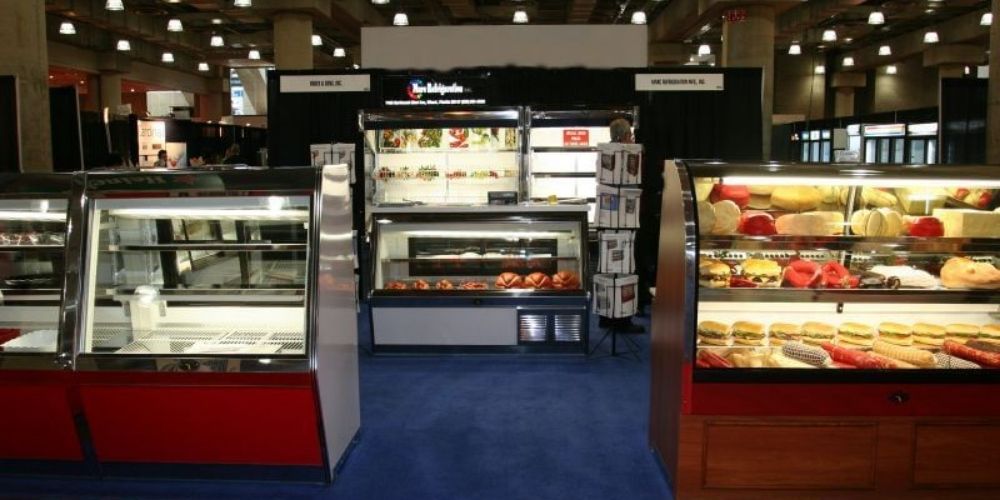
A Remote deli case is an essential asset for the bakery shops, supermarkets, and grocery shops. These are mandatory cooling units for everyday operations. While you are looking for the deli cases, a variety of products are available in the market.
Before you finalize the cooling unit, you must consider several features, such as size, functionality, and installation requirements. Generally, there are two main types of refrigeration: remote and self-contained.
Modern sellers sometimes get confused about what fits their needs perfectly. To help store owners overcome this problem, we share this brief piece with you.
What will you walk through:
- What Is a Remote Deli Cooling Unit?
- What Is a Self‑Contained Case?
- Key Differences Explained
- Which Deli Case Best Suits Your Store?
- Practical Tips for Store Owners Before Picking a Deli Case
What Is a Remote Deli Case?
A Remote Deli refrigeration unit is a refrigerated display unit with a cooling system that is not entirely contained within the case. Instead, it connects to a larger refrigeration system located elsewhere, usually outside the store or in a mechanical room.
The case itself only contains the parts that keep your food cold, while the central cooling system is placed elsewhere. This makes the display area quieter and more comfortable for customers.
What Is a Self‑Contained Case?
A self‑contained case consists of all the cooling parts, the compressor, condenser, and evaporator, integrated within the unit. Simply plug it in, and it will start cooling your goods right away.
Because it doesn’t require any extra piping or setup, it’s a popular choice for smaller stores or shops seeking a quick, hassle-free solution.
How Remote and Self‑Contained Deli Cases Differ from Each Other?
Remote, self-contained deli refrigeration units operate independently. Each has its own benefits depending on your space, setup, and how you want customers to experience your display. Let’s take a closer look at what makes them unique.
Installation & Setup
Remote Deli Refrigeration
- Needs professional refrigeration piping and installation.
- Takes longer to set up since lines must connect to the central system.
- Best when done during store build‑out or renovation.
Self‑Contained Case
- Easy, quick installation — just plug it in.
- No special piping or trade work required.
- Great for small shops or when you need a display right away.
Heat and Noise Inside the Store
Remote Deli Case
- The cooling parts that generate heat and sound are kept away from the display area.
- This helps maintain a more comfortable shopping environment.
- Good choice if customer comfort and quiet operation matter.
Self‑Contained Case
- The compressor and condenser are built in and release heat inside the store.
- It can make the area warmer and noisier.
- This might increase the workload on your store’s air‑conditioning.
Cooling Performance & Capacity
Remote Deli Units
- Without internal compressor parts taking up space, the case can offer more room for products.
- Remote units can be more efficient in larger installations.
- It can hold temperature more steadily during busy hours.
Self‑Contained Case
- All parts are compacted inside, which can slightly reduce internal display volume.
- Cooling performance is more than adequate for most small and medium stores.
- Works well where space isn’t extremely tight.
Cost Considerations
Remote Deli Refrigeration
- Higher upfront cost due to installation and connection to central refrigeration.
- Longer planning may be needed to fit into your store’s electrical and mechanical setup.
- Lower energy waste in the long run because heat and noise are not dumped into the store.
Self‑Contained Case
- Lower initial purchase and installation cost.
- No skilled refrigeration installation needed.
- It may cost more in store cooling bills over time because of the heat released indoors.
Maintenance and Repairs
Remote Deli Cooling Units
- Central refrigeration systems are usually easier to service in one place.
- Technicians can fix multiple cases at once since they share the same system.
- Less frequent case‑level maintenance is needed.
Self‑Contained Case
- Each case has its own mechanical parts.
- If one unit fails, you fix that single case without affecting others.
- Might need more regular cleaning and maintenance because everything sits inside the store.
Which Deli Case Best Suits Your Store?
Choosing the right deli case impacts both your store’s efficiency and how your products are presented. Factors like store size, layout, and budget always need to be focused on.
Understanding the main differences between a Remote Deli Case and a self-contained unit will help you pick the option. You can figure out what works best for your space and keep your products at their best. Let’s take a look at the comparisons below:
| Remote Deli Refrigeration | Self‑Contained Case |
|
|
Practical Tips for Store Owners Before Picking a Deli Case
When picking a deli case, consider what impacts its performance, how well it works, and how your products will look.
Considering these advisory points will help you make a choice that fits your store and keeps your items fresh. Hence, follow the tips below:
- Check the available space — measure length, width, and height carefully.
- Plan where the power outlets are and how the unit will connect.
- Consider your store layout so customers can move comfortably around the case.
- Make sure aisles and walkways stay clear of the display.
- Think about how much display space you need for products.
- Ask a refrigeration professional if your HVAC system can handle extra heat from self-contained units.
- If using multiple cases, a remote system can simplify maintenance and repairs.
- Factor in future growth — will you need more units or bigger displays later?
Last Words
Choosing the proper deli case is an important decision for any store owner. Whether you go with a remote deli case or a self-contained unit, understanding their differences helps you choose the right option for your space, customer flow, and future growth.
The right case keeps your products fresh, improves efficiency, and enhances the shopping experience. By planning carefully and considering your store’s needs, you can make a decision that benefits both your business and your customers for years to come.