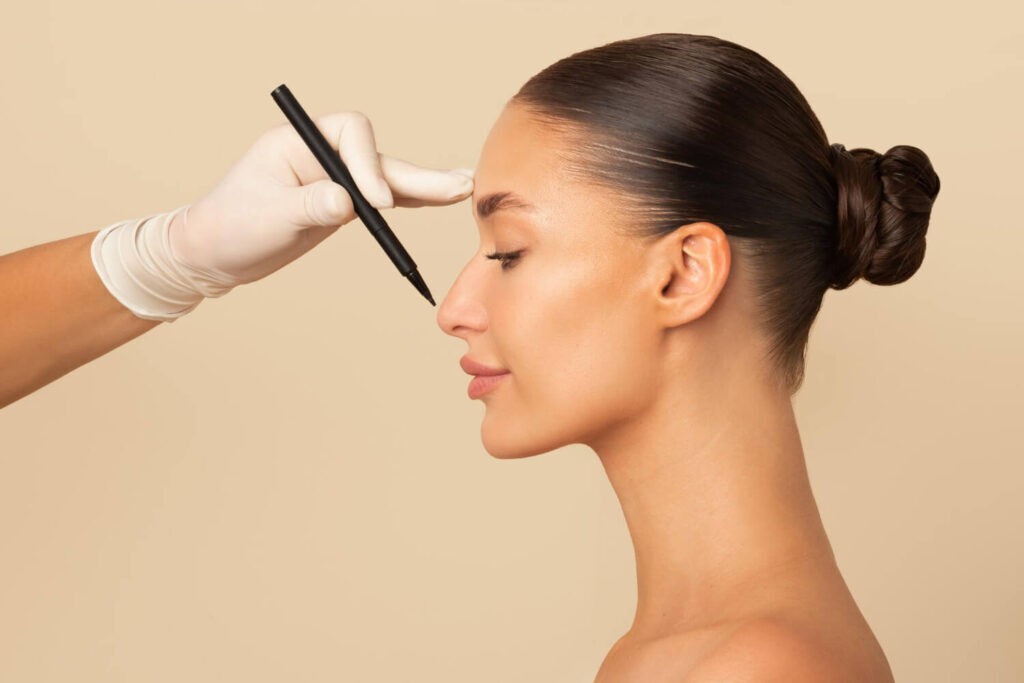
Rhinoplasty is a highly precise procedure, but in some cases, patients may feel dissatisfied with the outcome of their initial nose surgery. Whether due to aesthetic concerns, functional problems, or changes over time, revision rhinoplasty offers a second chance to achieve balance, comfort, and confidence. This specialized surgery focuses on correcting or improving the results of a previous rhinoplasty while preserving nasal health and facial harmony.
Choosing the Best Rhinoplasty Surgeon in Islamabad is especially important for revision cases, as these procedures are more complex and require advanced expertise, careful planning, and a deep understanding of nasal anatomy.
What Is Revision Rhinoplasty?
Revision rhinoplasty, also known as secondary rhinoplasty, is a corrective nose surgery performed after an initial rhinoplasty. Its purpose is to address unresolved issues or complications such as:
-
Irregular nasal shape or asymmetry
-
Breathing difficulties
-
Scar tissue formation
-
Overcorrection or undercorrection
-
Structural weakness or collapse
Unlike primary rhinoplasty, revision procedures must work with altered anatomy, scar tissue, and reduced cartilage, making surgical precision even more critical.
Why Do Patients Seek Revision Rhinoplasty?
There are several reasons why patients may consider revision rhinoplasty:
Aesthetic Dissatisfaction:
Sometimes the nose may appear unnatural, unbalanced, or inconsistent with facial features. Minor irregularities can become more noticeable over time as swelling subsides.
Functional Problems:
Breathing issues can develop or persist after the first surgery due to internal structural changes or inadequate support.
Healing and Scar Tissue:
Every patient heals differently. Excessive scar tissue or unexpected healing patterns can affect the final result.
Changes Over Time:
Aging, trauma, or natural tissue changes can alter the results of an earlier rhinoplasty, making revision necessary.
How Revision Rhinoplasty Differs from Primary Surgery:
Revision rhinoplasty is more complex than initial surgery because:
-
Nasal structures may be weakened
-
Scar tissue limits flexibility
-
Cartilage may need to be reconstructed using grafts
-
Surgical options are more limited
This is why choosing a highly experienced surgeon is essential for safe and effective correction.
The Importance of Surgeon Expertise:
Revision rhinoplasty requires advanced surgical skills, artistic judgment, and extensive experience. A specialist like Dr Naveed Azhar understands the complexities of secondary procedures and focuses on restoring both form and function.
An expert surgeon will:
-
Conduct a detailed consultation
-
Review previous surgical history
-
Use imaging and examination to plan corrections
-
Set realistic expectations
This careful approach significantly increases the chances of a successful outcome.
Techniques Used in Revision Rhinoplasty:
Revision rhinoplasty often involves specialized techniques, including:
Cartilage Grafting:
Cartilage may be taken from the septum, ear, or rib to rebuild nasal support and structure.
Scar Tissue Management:
Precise surgical handling helps minimize further scarring and improves nasal contour.
Structural Reinforcement:
Strengthening weakened areas ensures long-term stability and improved breathing.
Each technique is customized based on the patient’s needs and existing nasal anatomy.
Recovery After Revision Rhinoplasty:
Recovery from revision rhinoplasty may take slightly longer than primary surgery due to the complexity involved. Patients can generally expect:
-
Initial swelling and bruising
-
Gradual improvement over several months
-
Final results becoming visible within 12–18 months
Following post-operative instructions carefully is essential for optimal healing and long-lasting results.
Setting Realistic Expectations:
One of the most important aspects of revision rhinoplasty is understanding what can realistically be achieved. While significant improvements are possible, perfection is not always attainable. The goal is to:
-
Improve nasal appearance
-
Restore or enhance breathing
-
Achieve harmony with facial features
Clear communication with your surgeon ensures satisfaction and confidence in the final outcome.
Who Is a Good Candidate for Revision Rhinoplasty?
You may be a suitable candidate if you:
-
Are unhappy with previous rhinoplasty results
-
Experience breathing difficulties after surgery
-
Have completed the healing process from your first surgery (usually 12 months)
-
Are in good overall health
A thorough consultation helps determine the safest and most effective treatment plan.
Conclusion:
Revision rhinoplasty offers hope and solutions for patients who are dissatisfied with past nose surgery. With expert planning, advanced techniques, and realistic expectations, it is possible to correct both aesthetic and functional concerns. Choosing the right surgeon and clinic is the foundation of successful revision outcomes.
For patients seeking expert care, personalized treatment, and advanced surgical standards, Royal cosmetic surgery clinic provides comprehensive rhinoplasty and revision services under the guidance of highly skilled professionals, helping patients restore confidence and achieve natural, balanced results.