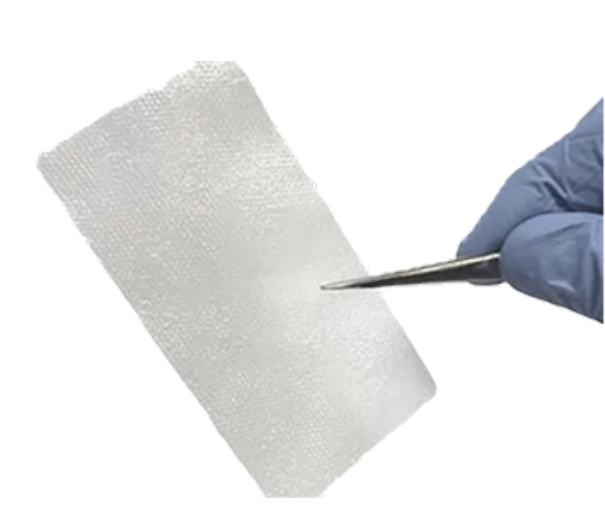
Wound management requires advanced solutions that ensure rapid healing and minimal complications. Helicoll skin substitute is a bioengineered graft designed to support tissue regeneration and enhance recovery. With its high-purity type-I collagen composition, this innovative product provides a safe and effective framework for wound care.
Healthcare providers must be aware of the safety profile, precautions, and best practices associated with the helicoll graft to achieve optimal patient outcomes. Its versatility also makes it a preferred choice in specialized wound care settings.
What Makes Helicoll Skin Substitute Effective
Helicoll skin substitute is an acellular, bioactive collagen sheet composed of over 97% pure type-I collagen. It acts as a scaffold that supports cell migration, angiogenesis, and tissue remodeling. Unlike traditional tissue-based membranes, Helicoll removes immunogenic proteins, lipids, and elastin, reducing the risk of adverse reactions. Its high bioactivity ensures faster wound healing, making it suitable for chronic ulcers, burns, and surgical wounds. Additionally, the graft integrates seamlessly into the host tissue, minimizing inflammation and promoting natural repair processes.
The helicoll graft is also designed for easy handling, allowing healthcare providers to cut and shape it to fit complex wound areas. This flexibility is particularly useful in treating irregularly shaped wounds or surgical sites where precise coverage is necessary. Its bioresorbable nature ensures that the graft is gradually replaced by the patient’s own tissue, eliminating the need for removal and reducing follow-up procedures.
Safety Guidelines for Healthcare Providers
Proper precautions during handling and application of the helicoll graft are critical for patient safety. Following these steps ensures effectiveness and reduces complications.
Key Safety Recommendations:
- Sterile Handling: Always use sterile gloves and instruments to prevent contamination and reduce infection risk.
- Storage Conditions: Helicoll remains effective for up to three years at room temperature. Keep dry and avoid moisture exposure.
- Patient Screening: Assess patients for allergies or sensitivities to collagen-based products before use.
- Application Protocols: Limit the number of graft applications per treatment course to optimize outcomes.
In addition to these measures, monitoring the wound’s response after initial graft placement is essential. Early identification of any unexpected redness, swelling, or exudate allows healthcare providers to intervene promptly. This proactive approach reduces the likelihood of complications and maximizes the effectiveness of the helicoll skin substitute.
Best Practices for Applying the Graft
Correct application of Helicoll maximizes healing potential. The graft can be trimmed to fit wound dimensions and promotes granulation and capillary formation within days.
- Wound Preparation: Clean and debride thoroughly to create a surface suitable for graft adhesion.
- Secure Placement: Lay the graft flat without folds to allow uniform tissue regeneration.
- Moisture Maintenance: Keep a slightly moist environment to support cell migration and collagen integration.
- Follow-Up Monitoring: Check regularly for infection, graft displacement, or delayed healing.
Using the helicoll graft in combination with appropriate dressings can further improve outcomes. For example, semi-permeable or hydrocolloid dressings maintain the necessary moisture and protect the graft from external contaminants. These supportive measures enhance graft integration and accelerate wound closure.
Special Precautions for Certain Patients
While Helicoll skin substitute is generally safe, certain patients require extra attention. Those with severe systemic infections, uncontrolled diabetes, or compromised immune function should be closely monitored. Exercise caution when combining the helicoll graft with other bioactive materials to avoid adverse interactions.
- Immune Response Awareness: Monitor for local inflammation or hypersensitivity, despite the graft being acellular.
- Concurrent Therapies: Avoid applying incompatible topical agents that may degrade the collagen scaffold.
- Patient Education: Inform patients about wound care, hygiene, and activity limitations.
- Documentation: Keep records of graft size, application date, and patient progress for follow-up.
Additional attention should be given to elderly patients or those with multiple comorbidities. Regular follow-up visits allow clinicians to adjust treatment plans based on healing progress, ensuring optimal outcomes with minimal risk.
Helicoll vs. Simplimax Graft: Choosing the Right Option
Both Helicoll and Simplimax grafts are advanced skin substitutes, but they differ in composition and clinical focus. Helicoll emphasizes high-purity type-I collagen for enhanced cellular activity and faster healing. Simplimax graft offers broader wound management options but includes additional components that require monitoring. Selecting the right graft depends on wound type, patient health, and desired clinical outcomes.
Clinicians often prefer helicoll graft for wounds that demand rapid healing with minimal inflammation. Simplimax graft may be more suitable for chronic wounds requiring long-term structural support. Evaluating both options allows healthcare providers to select the most appropriate solution for each patient.
Conclusion
Helicoll skin substitute provides a reliable and high-performance solution for advanced wound care. By following proper handling, storage, and application protocols, healthcare providers can minimize risks and achieve excellent patient outcomes.
Life Biologics continues to innovate in regenerative medicine, offering tools like the helicoll graft and simplimax graft to elevate clinical practices, improve patient care, and provide cutting-edge solutions for difficult-to-heal wounds worldwide.