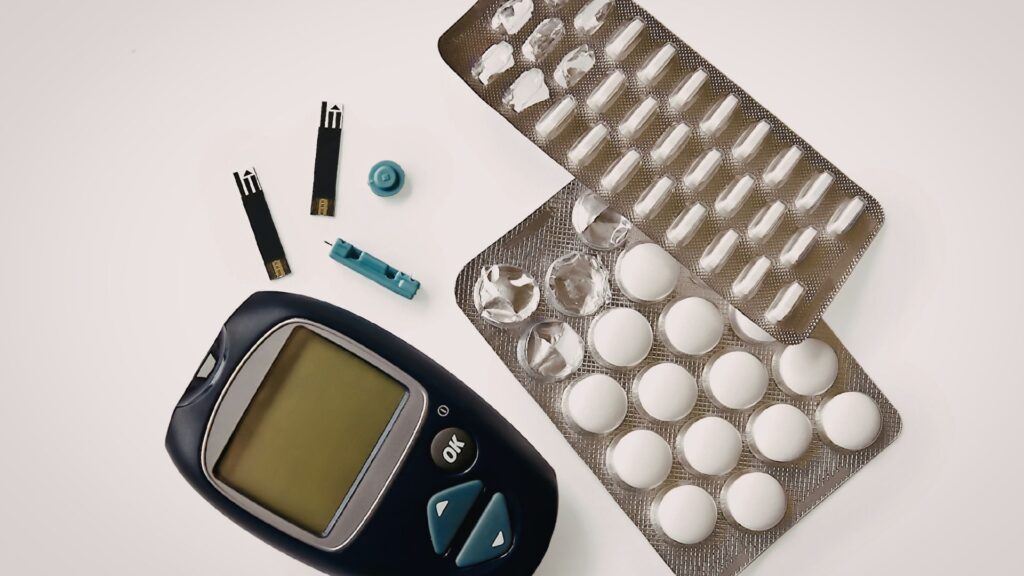
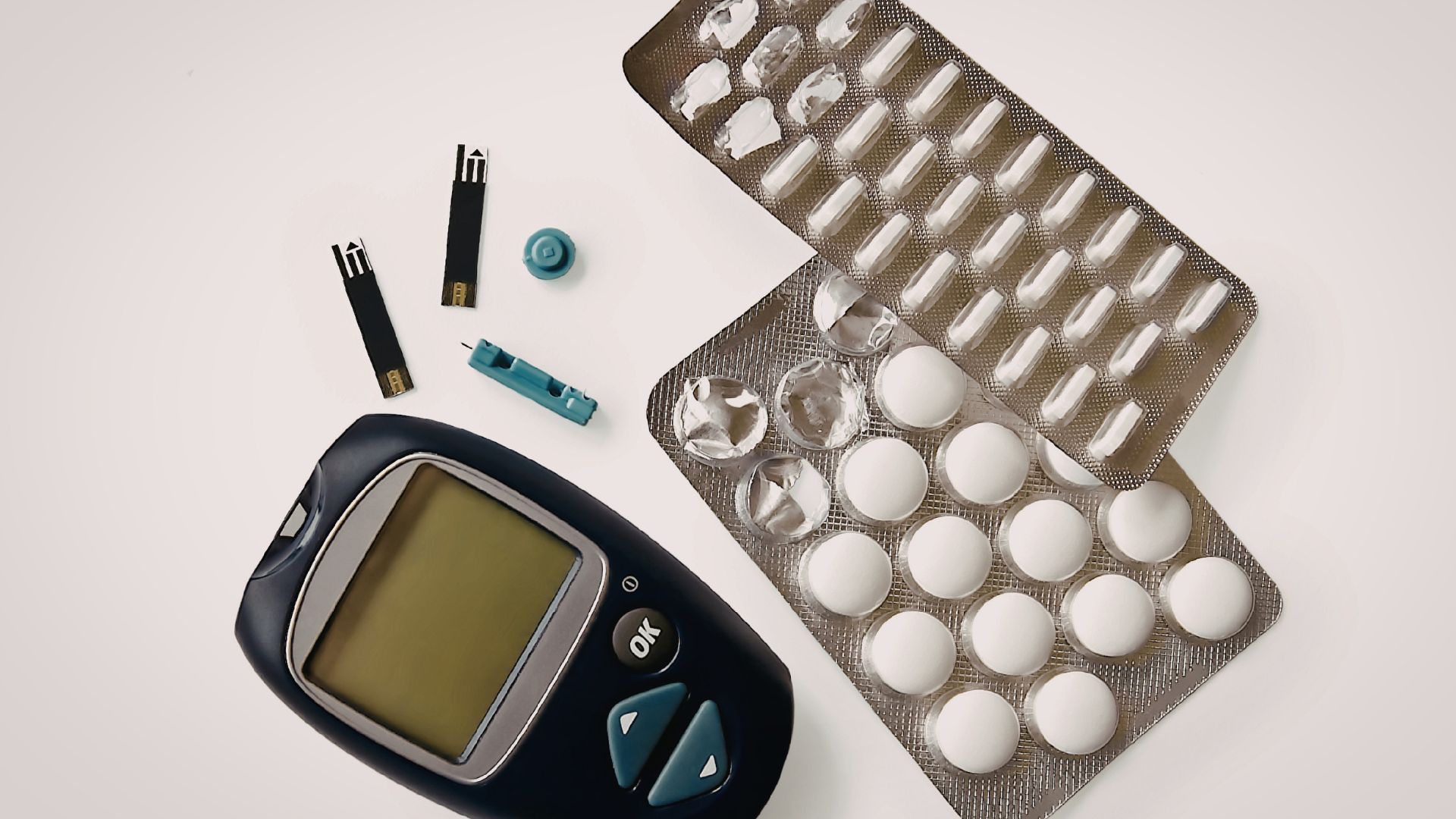
Saudi Arabia Diabetes Drug Market Outlook (2025–2033)
According To Renub Research Saudi Arabia diabetes drug market is entering a phase of strong and sustained growth, supported by rising disease prevalence, improving healthcare access, and rapid adoption of innovative therapies. Diabetes has become one of the most critical public health challenges in the Kingdom, driven by lifestyle changes, urbanization, dietary habits, and genetic predisposition. As a result, demand for effective pharmacological solutions to manage blood glucose levels is increasing across all population segments.
From 2025 to 2033, the market is projected to expand at a robust compound annual growth rate, reflecting both higher patient volumes and a gradual shift toward advanced, high-value diabetes treatments. Increased government healthcare expenditure, stronger disease awareness, and improved diagnostic capabilities are reshaping the treatment landscape and creating long-term opportunities for pharmaceutical manufacturers operating in Saudi Arabia.
Download Free Sample Report:https://www.renub.com/request-sample-page.php?gturl=saudi-arabia-diabetes-drugs-market-p.php
Overview of Diabetes Drugs in Saudi Arabia
Diabetes drugs are therapeutic agents used to regulate blood glucose levels in patients diagnosed with diabetes mellitus, primarily Type 1 and Type 2 diabetes. These medications include insulin, oral antidiabetic drugs such as metformin and sulfonylureas, and newer drug classes such as SGLT2 inhibitors, DPP-4 inhibitors, and GLP-1 receptor agonists. Each class targets different physiological mechanisms to control glucose levels and prevent long-term complications.
In Saudi Arabia, the use of diabetes drugs is expanding rapidly due to the country’s high diabetes burden and improved access to healthcare services. The national healthcare system increasingly emphasizes early diagnosis and continuous disease management. Alongside conventional therapies, advanced medications are gaining acceptance as clinicians focus on personalized treatment approaches that improve outcomes and reduce complications.
Epidemiological Trends Driving Market Growth
Saudi Arabia has one of the highest diabetes prevalence rates globally. Sedentary lifestyles, rising obesity levels, and changing dietary patterns have significantly increased the incidence of Type 2 diabetes, particularly among adults and older populations. In addition, genetic susceptibility contributes to early onset and disease progression.
Improved screening programs and expanded diagnostic infrastructure are enabling earlier identification of diabetic patients, including those previously undiagnosed. This growing and increasingly aware patient pool is directly driving demand for diabetes medications, ranging from first-line oral therapies to advanced injectable treatments.
Government Healthcare Investment and Policy Support
Government initiatives play a central role in shaping the Saudi Arabia diabetes drug market. Under the Vision 2030 framework, the Kingdom has prioritized healthcare modernization, chronic disease management, and preventive care. Public healthcare expenditure continues to rise, with a significant portion allocated to managing non-communicable diseases such as diabetes and obesity.
National awareness campaigns, free screening initiatives, and integration of diabetes care into primary healthcare services are improving early detection and treatment adherence. Policies such as taxation on sugary beverages and energy drinks aim to reduce diabetes risk factors while reinforcing the importance of preventive healthcare. These measures collectively expand access to diabetes medications and support long-term market growth.
Adoption of Advanced Diabetes Therapies
The Saudi diabetes drug market is gradually transitioning from traditional therapies to innovative drug classes that offer superior clinical benefits. GLP-1 receptor agonists, DPP-4 inhibitors, and SGLT2 inhibitors are increasingly prescribed due to their ability to provide effective glycemic control while offering additional benefits such as weight reduction and cardiovascular protection.
Physicians are showing greater confidence in these therapies as clinical evidence supporting their long-term safety and efficacy grows. The introduction of biosimilar insulin products has also improved affordability and access, enabling broader adoption of insulin therapy. Localization of pharmaceutical manufacturing further strengthens supply security and reduces dependence on imports.
Cost Barriers and Affordability Challenges
Despite strong growth potential, the Saudi Arabia diabetes drug market faces affordability challenges, particularly for newer therapies. While essential medications such as metformin are widely accessible, advanced biologics and injectable drugs often carry higher price points. These costs can limit access for uninsured or underinsured patients and affect long-term treatment adherence.
Although government subsidies and public healthcare coverage help mitigate this burden, out-of-pocket expenses remain a concern, especially for chronic therapies requiring lifelong use. Addressing cost challenges through expanded reimbursement, biosimilars, and local production will be essential to ensuring equitable access across all population groups.
Gaps in Awareness and Rural Healthcare Access
Another challenge lies in disparities between urban and rural healthcare access. While major cities benefit from advanced hospitals and specialized diabetes clinics, rural and remote areas often experience lower awareness, delayed diagnosis, and limited access to specialized care. Underdiagnosis remains a significant issue, reducing timely initiation of pharmacological treatment.
Expanding mobile clinics, telemedicine, and community-based awareness programs can help bridge this gap. Improving outreach in underserved regions will not only enhance patient outcomes but also unlock untapped market potential for diabetes drug manufacturers.
Saudi Arabia Insulin Drug Market Dynamics
Insulin remains a cornerstone therapy for Type 1 diabetes and advanced Type 2 diabetes in Saudi Arabia. The insulin drug segment continues to grow due to rising diagnoses, improved disease monitoring, and greater patient education. Availability of long-acting, rapid-acting, and premixed insulin formulations allows clinicians to tailor treatment plans to individual patient needs.
The increasing use of insulin pens and digital glucose monitoring devices has improved treatment adherence and quality of life for patients. Government support and the growing availability of biosimilar insulin products are further enhancing accessibility, making insulin therapy a critical driver of the overall diabetes drug market.
Growth of DPP-4 Inhibitors in Saudi Arabia
DPP-4 inhibitors are gaining popularity in Saudi Arabia due to their favorable safety profile and ease of use. These oral medications are particularly suitable for elderly and overweight patients, as they provide effective glucose control with minimal risk of hypoglycemia and limited impact on body weight.
Their availability in fixed-dose combinations with metformin enhances convenience and patient compliance. Growing physician confidence in their cardiovascular safety and long-term tolerability continues to support increasing prescription volumes across the Kingdom.
Expansion of the Type 2 Diabetes Drug Segment
Type 2 diabetes accounts for the majority of diabetes cases in Saudi Arabia and represents the largest segment of the diabetes drug market. Rapid urbanization, reduced physical activity, and dietary changes are driving this trend. As a result, demand for oral antidiabetic drugs, insulin, and combination therapies continues to rise.
The market is also witnessing increased uptake of drugs targeting insulin resistance and beta-cell dysfunction. Integration of diabetes management into routine healthcare visits further accelerates treatment initiation and continuity, strengthening this segment’s dominance.
Dominance of Oral Diabetes Drugs in Saudi Arabia
Oral diabetes medications form the backbone of diabetes treatment in Saudi Arabia, particularly for Type 2 diabetes. Their ease of administration, affordability, and wide availability make them the preferred first-line therapy. Drug classes such as metformin, sulfonylureas, DPP-4 inhibitors, and SGLT2 inhibitors are extensively prescribed across both urban and rural settings.
Fixed-dose combinations are becoming increasingly popular, simplifying treatment regimens and improving glycemic control. The growth of retail pharmacies and online pharmacy platforms further enhances access and convenience for patients throughout the Kingdom.
Role of Intravenous Diabetes Drugs in Acute Care
Intravenous diabetes drugs occupy a specialized but essential niche within the Saudi healthcare system. These medications are primarily used in hospital settings for acute conditions such as diabetic ketoacidosis or perioperative glucose management. While smaller in market size, this segment is critical for emergency and critical care.
Expansion of advanced hospitals and intensive care facilities, particularly in major cities, is supporting steady demand for intravenous antidiabetic therapies. Their role remains indispensable in comprehensive diabetes care.
Importance of Hospital Pharmacies in Drug Distribution
Hospital pharmacies represent a key distribution channel for diabetes drugs in Saudi Arabia. They play a crucial role in dispensing insulin, injectables, and advanced therapies for patients with complex conditions or comorbidities. With the growing number of public and private hospitals, this segment is expanding steadily.
Hospital pharmacies also support treatment adherence through close collaboration with healthcare professionals and patient monitoring programs. As tertiary care infrastructure continues to develop, their importance within the diabetes drug ecosystem will further increase.
Regional Insights Across Major Saudi Cities
Riyadh leads the Saudi Arabia diabetes drug market due to its large population, advanced healthcare infrastructure, and high level of health awareness. Specialized diabetes centers and government-led programs support early diagnosis and sustained treatment.
Jeddah follows closely, driven by urban lifestyles, a strong network of hospitals, and widespread availability of diabetes medications through retail and hospital pharmacies. Dhahran and the Eastern Province benefit from world-class healthcare facilities and employer-supported wellness programs, encouraging early detection and consistent treatment.
Competitive Landscape and Key Market Players
The Saudi Arabia diabetes drug market is highly competitive, with global pharmaceutical leaders and regional manufacturers focusing on innovation, accessibility, and strategic partnerships. Key players include Novo Nordisk, AstraZeneca plc., Biocon, Sanofi, Eli Lilly, Johnson & Johnson, Bristol Myers Squibb Co., and Novartis AG. These companies compete through product innovation, localized manufacturing, and strong engagement with healthcare providers.
Future Outlook for the Saudi Arabia Diabetes Drug Market
The Saudi Arabia diabetes drug market is set for sustained expansion through 2033, supported by rising disease prevalence, government commitment to healthcare reform, and increasing adoption of advanced therapies. While affordability and rural access remain challenges, continued investment in healthcare infrastructure and local pharmaceutical production will help address these gaps. As diabetes management becomes a national priority, the demand for effective, accessible, and innovative diabetes drugs is expected to grow steadily across the Kingdom.