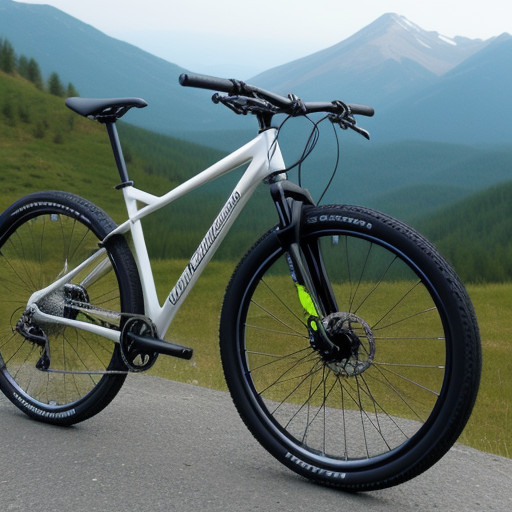
A scott mountain bike is widely recognised in South Africa for its adaptability across varied terrain. From rugged mountain passes to flowing forest trails and urban cycling routes, this type of mountain bike is designed to handle diverse riding conditions. South Africa’s natural landscapes, which range from rocky paths in the Western Cape to dusty tracks in Gauteng, require bicycles that can endure demanding environments. The scott mountain bike is commonly associated with durability, precision handling, and modern engineering suited to these challenges.
Built for South African Terrain
South Africa offers a unique combination of terrain, including gravel roads, steep climbs, loose sand, and technical descents. A scott mountain bike typically features lightweight yet strong frame construction, allowing riders to maintain control while navigating uneven surfaces. The geometry of the frame often supports stability during downhill sections while still enabling efficient climbing performance.
Suspension systems play a crucial role in absorbing shocks from rocky trails. Many mountain bikes in this category include either hardtail or full-suspension configurations. Hardtail models are often preferred for smoother cross-country routes, while full-suspension options can provide improved comfort and traction on rougher terrain. For South African riders exploring mountainous regions or nature reserves, suspension performance significantly influences overall riding experience.
Frame Materials and Design
Frame materials are a key consideration when evaluating a scott mountain bike. Aluminium frames are common due to their balance of strength and weight. Carbon fibre frames, while lighter, are designed to enhance speed and responsiveness. Riders who frequently participate in long-distance rides or competitive cycling events may benefit from lighter materials that reduce fatigue over extended periods.
In addition to material, frame geometry affects posture and comfort. Modern mountain bike design typically focuses on maintaining a riding position that improves control and reduces strain. This is especially relevant in South Africa’s warmer climate, where endurance and rider comfort are essential for longer outdoor sessions.
Wheel Size and Tyre Performance
Wheel size can influence how a scott mountain bike performs on different surfaces. Larger wheels, such as 29-inch options, are often suited to rolling over obstacles more easily and maintaining momentum on open trails. Smaller wheel sizes may provide quicker acceleration and more agile handling on tight paths.
Tyres designed for mountain biking generally include deeper tread patterns for enhanced grip. In South Africa, where dry and dusty trails are common, tyre traction is particularly important. Proper tyre selection supports better control during sharp turns and sudden elevation changes.
Drivetrain and Braking Systems
A reliable drivetrain ensures smooth gear transitions when climbing hills or accelerating on flat sections. Mountain bikes in this category often feature multiple gear ratios, allowing riders to adjust according to terrain demands. South African trails frequently include steep inclines, making efficient gear shifting a valuable feature.
Disc braking systems are another important component. Hydraulic disc brakes typically offer strong stopping power and consistent performance, even in muddy or wet conditions. Although much of South Africa experiences dry weather, sudden rainfall in certain regions can create slippery surfaces, where dependable braking becomes essential.
Suitability for Different Riding Styles
A scott mountain bike can suit various riding styles, including cross-country, trail riding, and recreational cycling. Cross-country riders may prioritise lightweight frames and efficient pedalling performance. Trail riders might prefer additional suspension travel for technical routes. Recreational cyclists often look for comfort and versatility for weekend rides or fitness training.
South Africa’s growing interest in outdoor sports has contributed to the popularity of mountain biking as a fitness activity and recreational pursuit. The adaptability of a scott mountain bike makes it relevant for both experienced riders and those new to off-road cycling.
Conclusion
In South Africa’s diverse cycling landscape, the scott mountain bike represents a practical option for navigating challenging terrain. Its frame construction, suspension design, wheel configuration, and braking systems all contribute to reliable performance. By accommodating various riding preferences and environmental conditions, this type of mountain bike aligns well with the country’s outdoor culture and varied trails.