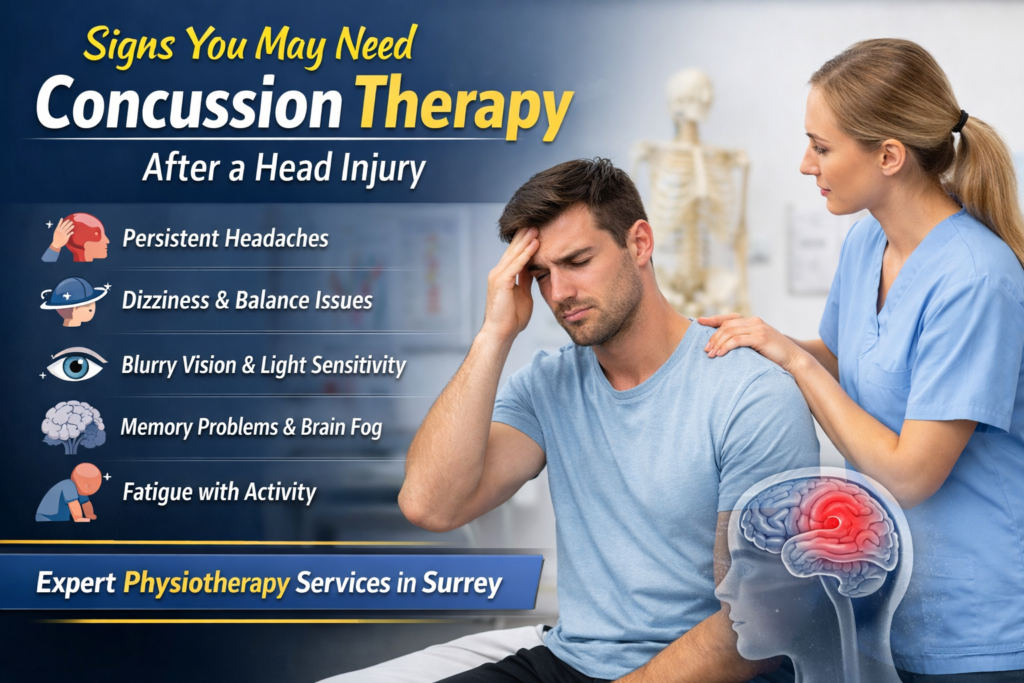
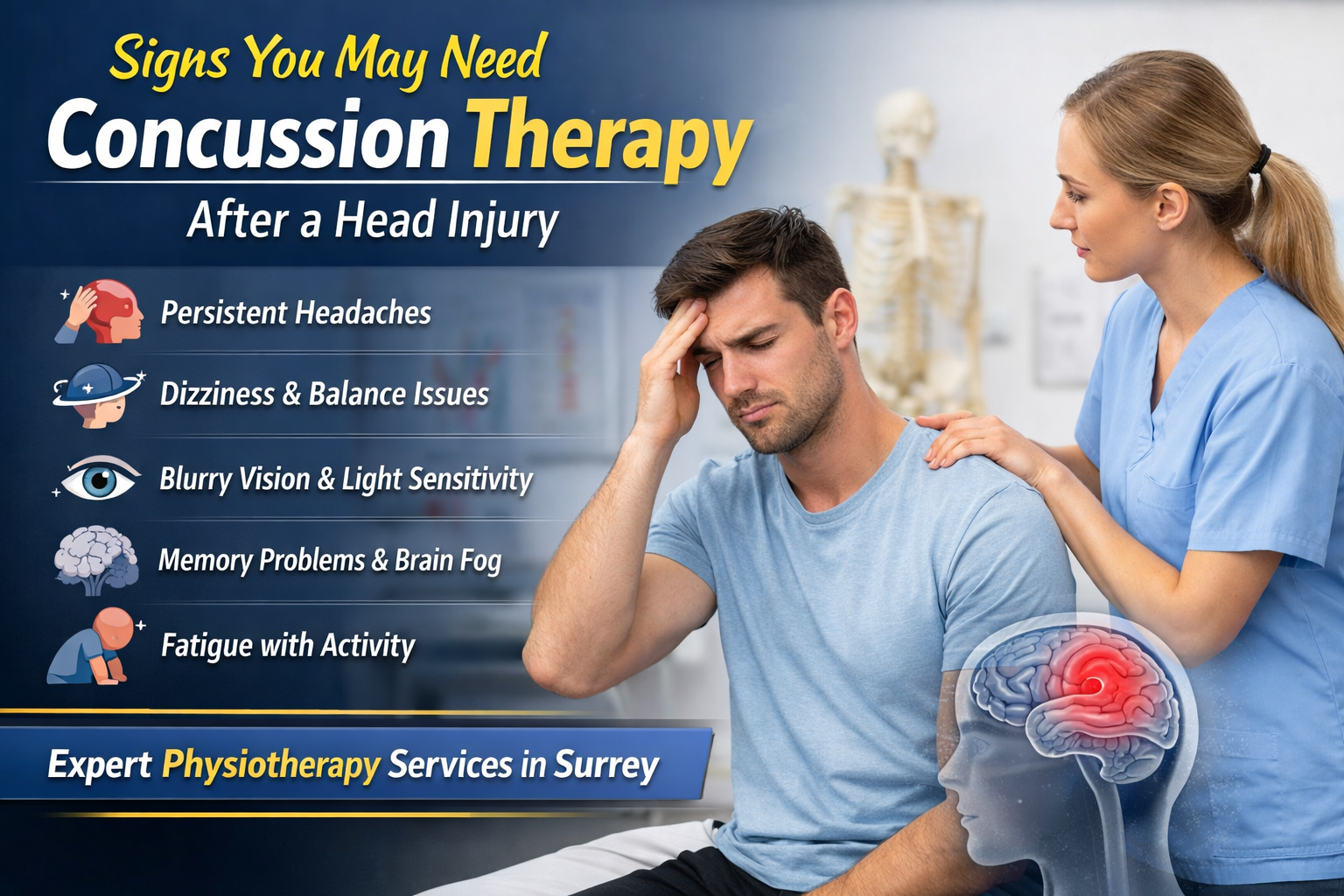
A head injury may seem minor at first, but its effects on the brain and nervous system can be far more complex than expected. Many people assume that rest alone is enough after a concussion, yet lingering symptoms often indicate the need for professional care. This is where physiotherapy services in Surrey play a vital role, helping individuals recover safely, restore function, and prevent long-term complications.
This guide explains the key signs that suggest you may benefit from concussion therapy, why physiotherapy is essential, and how timely treatment supports full recovery.
Understanding Concussion and Its Impact
A concussion is a mild traumatic brain injury caused by a blow or sudden movement of the head. Even without loss of consciousness, the brain can be affected at a cellular level. These changes may disrupt balance, coordination, vision, memory, and emotional regulation.
While some symptoms resolve within days, others persist for weeks or months. When symptoms interfere with daily life, work, or physical activity, it is often a sign that targeted rehabilitation is needed rather than rest alone.
Why Physiotherapy Is Important After a Concussion
Concussion therapy goes beyond general exercise or waiting for symptoms to fade. Specialised physiotherapy focuses on the systems most commonly affected by head injuries, including balance, vision, neck function, and nervous system regulation.
Accessing professional physiotherapy services Surrey ensures treatment is guided by clinical expertise, evidence-based protocols, and personalised care. Physiotherapists assess how the concussion has affected your body and create a structured recovery plan that progresses safely.
Key Signs You May Need Concussion Therapy
1. Persistent Headaches or Neck Pain
Ongoing headaches are one of the most common post-concussion symptoms. These may be linked to neck stiffness, muscle tension, or nerve irritation. If headaches continue beyond the initial recovery phase, physiotherapy can address underlying cervical and muscular issues contributing to pain.
2. Dizziness or Balance Problems
Feeling unsteady, lightheaded, or dizzy when standing, walking, or turning your head is a strong indicator that your balance system has been affected. Concussion therapy includes vestibular rehabilitation, which retrains the brain and inner ear to restore stability and coordination.
3. Sensitivity to Light or Noise
Difficulty tolerating bright lights, screens, or loud environments often signals nervous system overload. Physiotherapists help regulate sensory input through gradual exposure techniques and nervous system calming strategies.
4. Difficulty Concentrating or Brain Fog
Problems with focus, memory, or mental clarity are not uncommon after a head injury. These symptoms may affect work performance or daily tasks. Concussion-focused physiotherapy integrates cognitive pacing and controlled activity progression to reduce mental fatigue.
5. Visual Disturbances
Blurred vision, double vision, or eye strain can occur if eye movement coordination is disrupted. Physiotherapy assessment includes visual tracking and eye movement tests, followed by exercises to improve visual processing.
6. Fatigue That Worsens With Activity
Excessive tiredness after minimal physical or mental effort may indicate incomplete recovery. Physiotherapists design graded activity programs that rebuild tolerance without triggering symptom flare-ups.
7. Neck Stiffness and Reduced Mobility
The neck often absorbs force during a head injury. Restricted movement or stiffness can prolong concussion symptoms. Targeted manual therapy and mobility exercises address these issues directly.
8. Symptoms That Return With Exercise
If symptoms reappear when you attempt physical activity, it is a clear sign that your body is not ready for unsupervised exercise. Physiotherapy provides structured return-to-activity guidance to prevent setbacks.
What to Expect From Concussion Physiotherapy
Comprehensive Assessment
Physiotherapy begins with a detailed evaluation of symptoms, balance, neck function, eye movements, posture, and activity tolerance. This thorough assessment reflects professional expertise and ensures no contributing factor is overlooked.
Individualised Treatment Plan
Every concussion is different. A personalised plan may include vestibular exercises, neck treatment, balance training, visual rehabilitation, breathing techniques, and graded physical activity.
Safe and Progressive Recovery
Rather than pushing through symptoms, physiotherapy follows a step-by-step approach. Progression is based on your response to treatment, ensuring recovery remains safe and sustainable.
Education and Self-Management
A key part of treatment is understanding how to manage symptoms between sessions. Physiotherapists educate patients on pacing, posture, sleep habits, and activity modification to support healing.
The Importance of Early Intervention
Delaying treatment can prolong recovery and increase the risk of post-concussion syndrome. Early access to physiotherapy services Surrey helps identify problems before they become chronic. Research consistently shows that guided rehabilitation leads to faster and more complete recovery compared to rest alone.
Early therapy also reduces anxiety by providing reassurance, structure, and clear expectations during the healing process.
Who Can Benefit From Concussion Therapy
Concussion therapy is suitable for a wide range of individuals, including office workers, students, athletes, seniors, and anyone who has experienced a fall, accident, or sports-related injury. You do not need to have severe symptoms to benefit. Even mild but persistent issues deserve professional attention.
How Physiotherapy Supports Long-Term Brain Health
Beyond symptom relief, physiotherapy plays a role in protecting long-term brain health. Proper rehabilitation reduces the risk of repeated injuries, improves physical confidence, and restores quality of life. It also helps patients return to work, driving, and recreational activities with confidence.
Choosing the Right Physiotherapy Services Surrey
When seeking concussion care, look for clinics that demonstrate experience in neurological and vestibular rehabilitation. Evidence-based practice, clear communication, and patient-centred care are essential indicators of trustworthy treatment.
Reputable physiotherapy services prioritise safety, education, and measurable progress rather than quick fixes.
Final Thoughts
Recognising the signs that you may need concussion therapy is a crucial step toward full recovery. Persistent headaches, dizziness, fatigue, balance issues, or cognitive difficulties should never be ignored. With professional guidance from experienced physiotherapy services Surrey, recovery becomes structured, safe, and effective.
If symptoms are lingering or interfering with daily life, physiotherapy can provide the expertise, support, and reassurance needed to heal properly and return to normal activities with confidence.