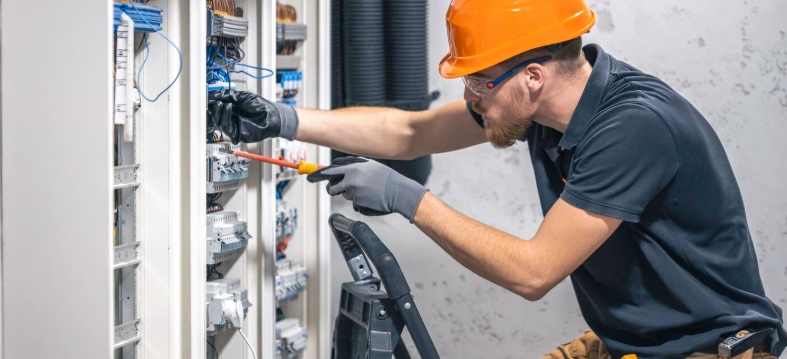
The transformation of Dubai into a leading global smart city is an ambitious vision that is being realized through the integration of cutting-edge technology and sustainable infrastructure. As the urban landscape evolves, the requirements for residential and commercial properties have been significantly elevated to align with this digital transition. It is widely recognized that the foundation of any smart home or intelligent building is its electrical backbone. To ensure that a property is fully prepared for the future, the implementation of DEWA approved electrical installations is considered a mandatory step for every modern property owner.
This modernization process involves more than just the installation of smart gadgets; it requires a systematic overhaul of power distribution, safety mechanisms, and grid connectivity. By adhering to the 2025/2026 technical regulations set by the Dubai Electricity and Water Authority (DEWA), properties are not only made safer but are also optimized for high-efficiency living. This article examines the essential components of smart-ready infrastructure and the regulatory pathway to achieving a future-proof residence in the UAE.
Table of Contents: Modernizing for the Smart City
| Section | Key Technical Focus |
| The Smart Grid Foundation | Integration of smart meters and IoT-enabled distribution boards. |
| Safety and Regulatory Standards | Compliance with the latest 2025/2026 DEWA electrical regulations. |
| Sustainable Power Solutions | Solar readiness and the role of the Shams Dubai initiative. |
| The Role of Certified Expertise | Navigating the official Dewa approved contractors list. |
| Electric Vehicle (EV) Readiness | Mandatory standards for home charging station installations. |
| Value and Longevity | How smart modernization increases long-term asset value. |
1. Establishing the Foundation with Smart Grid Integration
The concept of a smart city relies on the seamless exchange of data between individual properties and the central utility grid. In Dubai, this connectivity is facilitated by the Smart Grid strategy, which utilizes advanced sensors and meters to monitor consumption in real-time.
The Role of Smart Meters
It is observed that the transition from traditional meters to digital smart meters has become a cornerstone of the city’s digital transformation. These devices allow for:
- Real-Time Monitoring: Homeowners are provided with live data regarding their energy usage through the DEWA smart app.
- Proactive Fault Detection: Potential leaks or surges are identified by the system, allowing for immediate intervention before a minor issue escalates.
- Accurate Billing: Manual meter readings are replaced by automated data transmission, ensuring that utility bills are calculated with absolute precision.
For an installation to be considered “smart-ready,” the distribution boards must be designed to accommodate these digital interfaces. This ensures that the property can participate in demand-response programs, where energy consumption is automatically adjusted during peak hours to maintain grid stability.
2. Compliance with 2025/2026 DEWA Technical Regulations
The regulatory environment for electrical works in Dubai is dynamic, with frequent updates issued to incorporate global safety innovations. As of 2025, new guidelines have been enforced regarding equipment ratings, ambient temperature resilience, and moisture protection.
Mandatory Safety Enhancements
The protection of life and property is the primary objective of these regulations. Modern DEWA approved electrical installations must now feature:
- Advanced Residual Current Devices (RCDs): These are required for all socket outlets to prevent electric shock by disconnecting the power in milliseconds upon detecting a fault.
- Surge Protection Devices (SPDs): To protect sensitive smart home electronics such as AI assistants and home servers from voltage spikes caused by external grid fluctuations or lightning.
- Enhanced IP Ratings: All outdoor equipment must be rated for the extreme desert environment, ensuring resistance to fine sand, high humidity, and temperatures reaching 48°C.
It is required that all technical drawings and load schedules be submitted to the authority for approval before any physical modification is initiated. This ensures that the property’s load does not exceed the capacity of the local substation.
3. The Necessity of Utilizing the Dewa Approved Contractors List
The complexity of modernizing a property for smart city readiness necessitates the involvement of highly specialized engineers. In Dubai, the legal framework dictates that only certified entities are authorized to handle utility-related works.
Why Certified Expertise Matters
Property owners are strongly advised to select their partners from the official Dewa approved contractors list. These firms have undergone rigorous vetting processes to verify their technical competency and adherence to safety protocols.
- Legal Authorization: Only contractors on this list can apply for the necessary No Objection Certificates (NOCs) required for modifications.
- Technical Accuracy: Certified engineers ensure that the “Load Distribution Schedule” is accurately balanced, preventing frequent breaker trips and ensuring the longevity of the wiring.
- Smooth Inspections: Projects managed by approved contractors are more likely to pass the final DEWA inspection without costly delays or rework, as the installations are performed according to pre-approved blueprints.
Selecting an unverified technician not only endangers the property but also leads to legal liabilities and the potential disconnection of services if unauthorized modifications are detected by the authority.
4. Solar Integration and the Shams Dubai Initiative
A smart city is inherently a sustainable city. One of the most significant upgrades for modern Dubai properties is the integration of solar photovoltaic (PV) systems. Through the Shams Dubai initiative, residents are encouraged to produce their own clean energy.
Net Metering and Energy Credit
When solar panels are installed as part of DEWA approved electrical installations, a net-metering system is implemented. Any excess electricity produced by the solar panels during the day is fed back into the DEWA grid. This excess power is then credited to the homeowner’s account, effectively reducing their monthly utility bills. To be eligible for this program, the solar equipment must meet specific eligibility criteria, and the installation must be performed by a solar-certified engineer from an approved firm.
5. Preparing for the Future: EV Charging and Load Management
The shift toward electric mobility is a key pillar of the Dubai Smart City vision. As of 2025, new residential developments and significant renovations are increasingly required to provide infrastructure for Electric Vehicle (EV) charging.
Mandatory EV Installation Standards
The installation of a home charging station is not a simple “plug-and-play” process. It is governed by specific regulations to prevent grid overloads.
- Dedicated Circuitry: EV chargers must be connected to a dedicated circuit with independent protection devices.
- OCPP Compatibility: Smart chargers are required to be compatible with the Open Charge Point Protocol (OCPP), allowing them to communicate with the grid for intelligent load balancing.
- Safety Verification: The earthing system of the property must be verified to ensure it can handle the continuous high-current draw of a fast charger without overheating.
By incorporating these features during a modernization project, property owners ensure that their home is prepared for the rapid adoption of green transportation.
6. Long-Term Benefits of Smart Modernization
The modernization of a property’s electrical system is frequently viewed as a high-value investment that offers returns in multiple categories.
Asset Value and Marketability
In the competitive real estate market of the UAE, properties that are “smart-ready” and fully compliant with DEWA standards command a significant premium. Discerning buyers prioritize homes that offer lower operational costs, enhanced safety features, and the convenience of integrated automation.
Operational Efficiency
Beyond the increase in property value, the reduction in energy waste leads to immediate financial savings. Modern systems are designed to operate at a higher “Power Factor,” meaning more of the electricity paid for is converted into useful work, such as cooling or lighting, rather than being lost as heat.
Conclusion: A Vision Realized Through Quality
The transformation of a standard residence into a smart-city-ready asset is a journey that requires technical precision and a commitment to excellence. As Dubai continues to set global benchmarks for urban innovation, the importance of high-quality DEWA approved electrical installations cannot be overstated. These systems provide the safety, connectivity, and sustainability required for the modern age.
Ultimately, the success of any modernization project is determined by the expertise of the professionals involved. By consulting the Dewa-approved contractors list, property owners ensure that their infrastructure is designed and implemented by those who truly understand the city’s vision. In a metropolis built on the pillars of safety and smart technology, your property’s electrical system is its most vital link to the future.