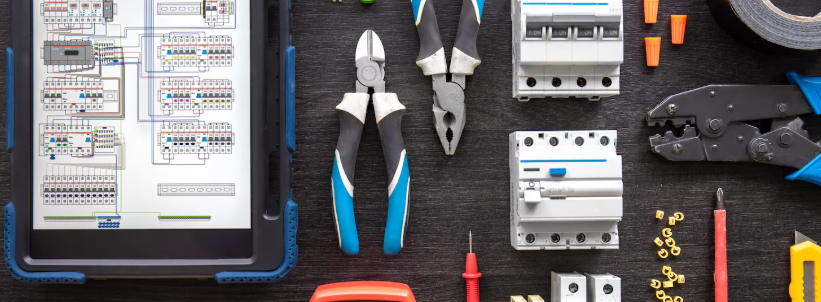
In the heart of Dubai’s architectural evolution, luxury and high-performance living come with a significant demand: power. Modern villas in neighborhoods like Emirates Hills, Palm Jumeirah, and Dubai Hills Estate are no longer just homes; they are complex ecosystems of smart automation, intensive climate control, and rapid electric vehicle (EV) charging stations. For property owners, managing this “high-load” environment requires more than just high-quality wiring—it demands strict adherence to the Dubai Electricity and Water Authority (DEWA) standards.
Navigating these regulations is essential for safety, efficiency, and legal compliance. In this guide, we explore how to identify the best electrical solution for high-demand properties while ensuring every upgrade aligns with the latest 2026 DEWA mandates.
Understanding the “High-Load” Challenge in the UAE
A high-load home is typically defined by its cumulative power draw. In the UAE, the primary load is consumed by the Heating, Ventilation, and Air Conditioning (HVAC) system, which often runs 24/7 during the summer months. When you add private elevators, heated infinity pools, and Level 2 EV chargers to the mix, a standard electrical setup can quickly become overwhelmed.
The Risks of Overloading
Operating a home beyond its designed electrical capacity leads to more than just a tripped breaker. It causes:
- Voltage Drops: Resulting in dimmed lights and potential damage to sensitive electronics.
- Thermal Stress: Wiring insulation becomes brittle under constant heat, increasing fire risks.
- Utility Fines: DEWA monitors load profiles; exceeding your allocated “Connected Load” without approval can lead to penalties or service disconnection.
DEWA Regulations: The Framework for Safety
DEWA’s regulations are designed to protect both the consumer and the city’s grid. For high-load homes, these rules focus on three pillars: Load Distribution, Safety Devices, and Contractor Certification.
1. Load Distribution Schedules
Every high-load installation must begin with a detailed “Load Distribution Schedule.” This document calculates the maximum demand and ensures that the total power consumption is balanced across the three phases of the supply. This prevents any single phase from overheating and ensures the stability of the entire neighborhood’s grid.
2. Mandatory Protective Devices
Current regulations mandate specific safety components for high-demand circuits:
- ELCB/RCD: Earth Leakage Circuit Breakers are required for all final circuits to prevent electric shocks.
- Surge Protection: With the increase in smart home technology, DEWA encourages the use of Surge Protective Devices (SPDs) to mitigate damage from grid switching or atmospheric transients.
- Under-Voltage Relays: Essential for protecting heavy motors (like those in AC compressors) from damage during voltage fluctuations.
3. Verification through Approved Entities
In Dubai, major electrical work is not a DIY task. For any modification involving the main distribution board or a change in the connected load, you must hire a firm from the Dewa approved contractors list to ensure the work is legally recognized and physically safe.
Strategic Upgrades: The Best Electrical Solution for 2026
When modernizing a high-load property, the goal is “future-proofing.” You want a system that handles today’s needs while being ready for the innovations of tomorrow.
Upgrading the Main Distribution Board (MDB)
The MDB is the control center of your home. A modern upgrade involves replacing old fuse-based systems with high-breaking-capacity MCCBs (Molded Case Circuit Breakers). These are specifically designed to handle the high inrush currents of multiple AC units and EV chargers without “nuisance tripping.” Integrating an Energy Management System (EMS) into your board is often the best electrical solution for high-load homes, as it allows you to monitor consumption in real-time and identify energy-heavy appliances before they cause a spike in your bill.
High-Specification Cabling
Standard PVC cables are often insufficient for the sustained high-amperage draw of modern luxury homes. The current preference is for XLPE-insulated (Cross-linked Polyethylene) cables, which have a higher thermal rating and can safely carry more current through the same diameter as traditional wires.
How to Increase Your Connected Load
If you are adding significant new equipment such as a large home cinema or a multi-car EV charging station you may need to apply for an “Additional Load” approval from DEWA.
The Process:
- Consultancy: Hire an engineer to assess your current consumption vs. your new requirements.
- Application: Submit the revised load schedule and shop drawings to DEWA.
- Inspection: Once the work is completed by a technician on the Dewa approved contractors list, DEWA will conduct a final inspection to verify that the earthing, wiring, and breakers meet the upgraded capacity.
- Connection: Upon approval, your meter or breaker might be upgraded to accommodate the higher supply.
Smart Technology and Load Balancing
One of the most efficient ways to manage a high-load home without constantly upgrading physical infrastructure is through Dynamic Load Balancing. This technology is particularly popular for EV charging.
If your home is already at 90% capacity because the AC and pool pump are running, a smart load balancer will temporarily reduce the power sent to your car charger. Once the AC cycles off, the power to the car increases automatically. This intelligent redistribution ensures you never exceed your DEWA-allocated limit while maintaining maximum convenience.
Why Professional Certification Matters
In the UAE, the “Maintenance” sector is vast, but specialized electrical work requires a higher level of accountability.
Insurance and Resale Value
Beyond immediate safety, using certified professionals protects your financial assets. In the event of an electrical fire, insurance companies in Dubai strictly check if the last major work was performed by a company on the official registry. Furthermore, when selling a property, having a “Completion Certificate” from a DEWA-approved entity significantly boosts the valuation, as it proves the home’s infrastructure is modern and compliant.
Environmental Responsibility
High-load homes can be energy-efficient. By using power factor correction capacitors (a DEWA requirement for large loads) and high-efficiency breakers, you reduce “reactive power” waste. This not only lowers your DEWA bill but also aligns with the UAE’s Green Building Regulations.
Summary: Checklist for High-Load Homeowners
If you suspect your home’s electrical system is struggling under the weight of modern demands, follow these steps:
- Audit: Conduct a professional thermal imaging scan of your distribution board to find “hot spots.”
- Verify: Check your current DEWA bill to see your allocated “Connected Load” vs. actual consumption.
- Upgrade: Focus on XLPE cabling and modern MCCBs for high-draw appliances.
- Compliance: Always ensure your service provider is active on the local authority’s verified list.
Conclusion: Balancing Luxury with Safety
Living in a high-load home in the UAE offers a lifestyle of unparalleled comfort, but it brings a responsibility to maintain the underlying infrastructure. By understanding DEWA regulations and investing in high-quality components, you ensure that your home remains a safe sanctuary rather than a liability. The combination of smart technology and certified expertise is the only way to navigate the power demands of the future while staying firmly within the safety guidelines of the present.