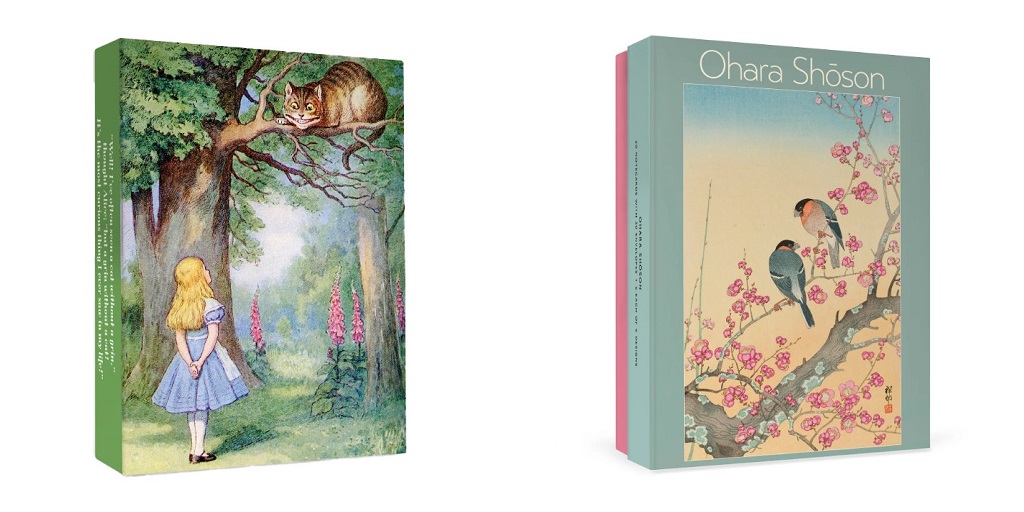
The enduring appeal of the physical, handwritten message remains a constant, and the foundation of this connection often rests on the simple utility of art note cards. These cards serve as discreet yet powerful tools for thoughtful correspondence, adding a layer of intention to communication that digital mediums often bypass.
Bridging Professional and Personal Communication
Effective communication cuts through noise to establish a genuine link between sender and receiver, a principle vital in all aspects of daily life.
Business professionals use handwritten notes on quality stock to maintain rapport. These notes, used for follow-ups or congratulations, elevate communication beyond email, demonstrating personal investment and reinforcing respect.
Note cards are super helpful in schools because they let teachers and staff give really specific encouragement or valuable advice. A personal note to a student or parent just hits differently than a quick digital message! This hands-on, personal touch really builds a supportive vibe and strengthens that all-important connection between home and school.
Note cards are also essential for maintaining good social manners at home. They’re a key way to show thanks in a real way and handle family messages, like sending thank-you notes or confirming RSVPs, which helps everything run smoothly.
Where Function Meets Artistic Value
For artists and creative individuals, the visual and tactile qualities of a note card are inherently important. The weight of the paper, the fidelity of the image reproduction, and the quality of the printing matter.
Choosing stationery that features an actual work of art transforms the simple act of writing into an appreciation of design and craft. This emphasis on quality affirms the sender’s commitment to aesthetics, making the correspondence itself a small, curated experience. The use of art note cards is a quiet declaration that even the most routine message deserves a thoughtful presentation.
Stationery enthusiasts view art note cards through a lens of appreciation for provenance and design. These individuals often collect and use cards from specific artists, movements, or institutions, valuing the object not only for its use but also for its design lineage. The selection process is a subtle curatorial act, choosing which piece of portable art best suits the message and the recipient.
The Cultural Connection in Everyday Objects
Many of the most thoughtfully designed art note cards are produced by cultural institutions, such as museums and galleries, which translate celebrated artworks into functional correspondence formats. Museum collections, including masterworks of painting, photography, and design, can thus inhabit everyday life. The translation of art into a usable card format is a meticulous endeavor that ensures color accuracy and material integrity, thereby offering a small, accessible piece of artistic heritage.
Using an art note card sourced from an established collection subtly encourages a slower, more deliberate form of communication. It requires the sender to pause, select, and compose, prioritizing intentionality over immediacy. This deliberate pace lends sincerity to the message, ensuring it is more likely to be retained and appreciated.
The tradition of transforming fine art into accessible paper goods continues year-round. If you’re looking for great, museum-quality stationery, check out the MFA Boston Shop online. These items are made to last and look classic, perfect for all your correspondence, whether for work or just catching up with friends.
For more information about Museum Art Prints and Lego Art Hokusai Please visit: Museum of Fine Arts – Boston.