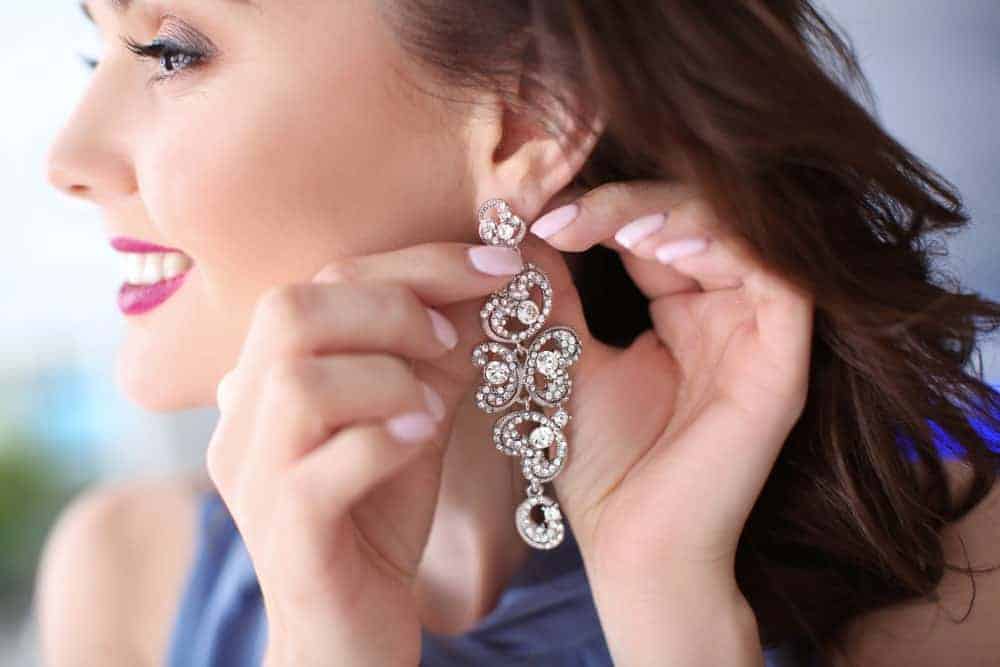
Fashion has gradually embraced metal mixing as an intentional and sophisticated aesthetic choice. For decades, conventional style advice discouraged pairing different metallic tones together. However, modern design philosophy celebrates contrast, balance, and textural interplay within accessories. At the center of this transformation stands silver jewelry, valued for versatility and understated refinement. Its cool undertones complement both warm and neutral palettes across varied wardrobes. Designers now treat metallic contrast as a compositional tool rather than stylistic misstep. Consequently, blending metals feels deliberate instead of accidental.
Historically, accessorizing followed rigid conventions rooted in etiquette and social symbolism. Gold represented wealth and ceremony, while silver signified practicality and restraint. Over time, cultural influences blurred these distinctions and encouraged experimentation. Runway stylists began juxtaposing polished surfaces with matte finishes to generate visual tension. Street fashion further dismantled outdated rules by celebrating individuality over uniformity. This cultural shift paved the way for mixing metals confidently within everyday ensembles.
Today, consumers seek expressive combinations reflecting personal identity rather than strict tradition. Layered necklaces combine yellow gold chains with oxidized accents seamlessly. Stackable rings alternate between brushed platinum and warm rose tones elegantly. Such combinations showcase intentional curation rather than aesthetic confusion. The adaptability of silver jewelry makes it foundational within these creative experiments. It anchors brighter metals while maintaining cohesive visual structure.
Tone, Texture, and Balance in Silver Jewelry Pairings
Successful metal mixing begins with awareness of undertones and surface finishes. Warm metals like gold and bronze radiate richness and depth visually. Cooler metals introduce brightness, clarity, and refined contrast into an ensemble. When combining these elements, proportion determines whether harmony or imbalance prevails. Larger warm pieces can overpower subtler accents without strategic distribution. Therefore, deliberate placement preserves equilibrium across the overall look.
Texture also influences how metals interact under natural or artificial lighting. High polish reflects light intensely, drawing immediate attention toward focal areas. Brushed or hammered finishes diffuse reflections, softening visual intensity gracefully. Pairing contrasting textures enhances dimensionality without overwhelming the observer. For example, matte bangles beside polished cuffs create layered sophistication. Integrating silver jewelry within textured combinations ensures visual breathing space.
Proportion extends beyond size and includes repetition throughout an outfit. Repeating a cool metallic tone at multiple points establishes coherence organically. Earrings may echo bracelet tones, while belt hardware reinforces the same finish subtly. Such repetition prevents fragmented styling and sustains intentional continuity. Additionally, negative space around accessories influences how metals register visually. Balanced spacing enhances elegance and prevents cluttered impressions.
Strategic Layering for Formal and Casual Settings
Layering remains one of the most effective methods for blending metallic tones. Necklaces of varying lengths create vertical movement across the torso gracefully. Mixing chain thicknesses prevents monotony and sustains visual intrigue. Combining warm pendants with cooler base chains highlights dimensional contrast intentionally. This strategy works equally well within professional and evening environments.
In formal settings, restraint preserves sophistication despite contrasting metals. Limiting the palette to two dominant tones avoids chaotic layering. Delicate bracelets stacked alongside structured cuffs create nuanced interplay. Meanwhile, statement rings introduce focal emphasis without overwhelming composition. Here, silver jewelry operates as a stabilizing element amid richer hues.
Casual environments permit bolder experimentation and relaxed coordination. Layered anklets, mixed bangles, and stacked rings communicate effortless creativity. The interplay between gold and cooler tones enhances streetwear ensembles dynamically. Moreover, denim and neutral fabrics provide ideal backdrops for metallic interplay. Through thoughtful arrangement, mixed metals appear curated rather than accidental.
Footwear hardware and handbag accents also influence accessory coordination subtly. Aligning jewelry finishes with bag chains or shoe buckles strengthens cohesion. However, exact matching is unnecessary within contemporary styling frameworks. Slight variations generate authenticity and organic charm effectively. The key lies in controlled variation rather than rigid uniformity.
Incorporating Statement Pieces and Anchored Accessories
Statement pieces anchor mixed-metal compositions with decisive authority. A bold cuff or sculptural pendant establishes thematic direction immediately. Surrounding elements should support rather than compete with such focal pieces. This hierarchical approach preserves clarity and visual hierarchy across the ensemble.
For example, pairing a bold gold collar with cooler accents refines contrast elegantly. Subtle earrings in cooler tones prevent visual saturation near the neckline. Within such arrangements, balance emerges through deliberate asymmetry. Introducing contrasting metals near the face enhances dimensionality and complexion brightness. Consequently, strategic placement elevates overall sophistication.
Consider a scenario where minimal gold layering frames darker gemstone details. Complementing this with sterling silver post earrings with onyx hoops introduces contrast without disrupting tonal harmony. The cool metal outlines the gemstone depth while echoing other metallic accents. This integration demonstrates how a single accessory can unify diverse finishes seamlessly. Thoughtful anchoring prevents disparate metals from appearing stylistically disconnected.
Additionally, gemstone hues influence metal interaction significantly. Warm stones like citrine harmonize with gold yet contrast attractively against cooler settings. Dark stones such as onyx enhance brightness in lighter metals effectively. Therefore, gemstone selection becomes instrumental in achieving equilibrium. Designers often leverage these color dynamics to refine mixed-metal aesthetics.
Creating Cohesion Through Personal Style Identity
While technique guides execution, personal identity ultimately defines successful styling. Mixing metals should reflect authentic preferences rather than fleeting trends. Evaluating wardrobe staples clarifies which tones dominate existing collections. From there, incremental experimentation introduces complementary metals gradually. This approach avoids abrupt stylistic shifts that feel forced.
Minimalist wardrobes benefit from restrained contrast and refined layering. Meanwhile, maximalist aesthetics welcome dramatic juxtapositions and bold texture interplay. Regardless of aesthetic direction, consistency fosters recognition and confidence. Repeating specific motifs or shapes strengthens signature styling language. Over time, mixed-metal coordination becomes intuitive rather than analytical.
Seasonal transitions also affect how metals interact within outfits. Cooler months favor layered textiles that accommodate substantial accessories comfortably. Warmer seasons highlight exposed skin, amplifying metallic contrast visually. Adjusting scale and finish according to climate enhances comfort and cohesion. Such adaptability reinforces mastery over styling variables.
Ultimately, mixing metals transcends trend cycles and rigid prescriptions. It represents a nuanced dialogue between color temperature, proportion, and personal expression. By integrating contrast thoughtfully, wearers create layered narratives within their ensembles. Silver jewelry remains indispensable within this dialogue due to its adaptive neutrality. When balanced strategically against warmer tones, it refines rather than competes.
As contemporary fashion continues evolving, metal mixing will likely expand creatively. Designers experiment with oxidized finishes, dual-tone alloys, and unconventional textures. Consumers increasingly embrace individuality over uniformity in accessorizing decisions. Within this environment, silver jewelry retains enduring relevance and versatility. Its presence ensures that contrast feels intentional and sophisticated.
Mastery of mixed metals arises not from strict formulas but from informed experimentation. Understanding tonal relationships and structural balance prevents aesthetic discord. Incorporating focal pieces and repeating subtle accents sustains harmony consistently. Above all, confidence transforms unconventional pairings into compelling statements. With thoughtful integration, mixed metals become symbols of modern refinement and expressive style.