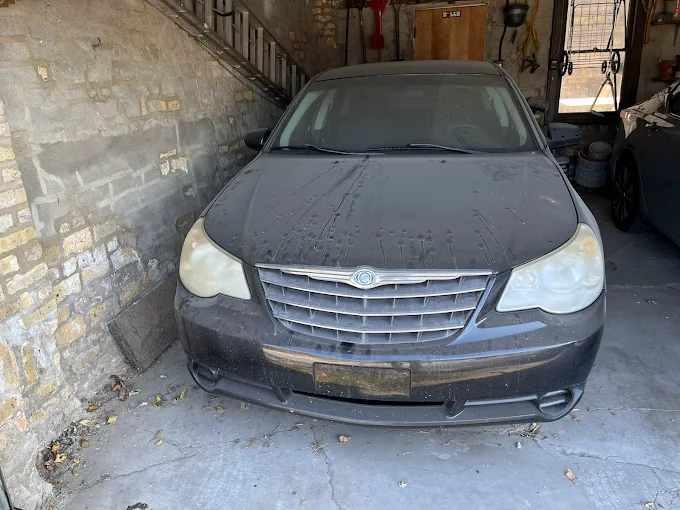
Every car reaches a final drive. The engine stills. The keys leave the ignition for the last time. This moment may look ordinary, yet it reveals a great deal about how people drive, care for vehicles, and move through daily life.
In Australia, cars travel long distances across cities, highways, and remote roads. When a car reaches the end of its working life, it carries physical signs of those journeys. These signs speak clearly to mechanics, inspectors, and dismantlers. They also reflect wider driving habits across the country.
This article explores what the end of a car’s life reveals about how people drive. It focuses on facts, wear patterns, and systems tied directly to vehicle use and removal.
The Car as a Record of Daily Movement
A car records movement through wear rather than words.
Steering wheels grow smooth with constant turning. Pedals thin where shoes press each day. Seat bolsters flatten on the side where drivers slide in and out.
Australian city driving often shows heavy brake wear due to traffic stops. Regional and highway driving often shows steady engine condition with higher distance figures. These patterns allow trained eyes to read how a car lived.
Distance Versus Driving Style
Odometers show distance travelled, yet they do not tell the whole story.
A car with high kilometres from highway travel may show less internal wear than a low-kilometre vehicle used only for short trips. Cold starts cause more engine stress than long steady drives.
At the end of a car’s life, internal engine condition often reveals this truth. Mechanics regularly find that driving style shapes wear more than distance alone.
Maintenance Habits Leave Clear Signs
Maintenance habits shape a car’s final condition.
Engines with clean internals often point to regular oil changes. Sludge build-up suggests long gaps between services. Brake systems reveal whether drivers responded to warning signs or delayed repairs.
Australian workshops see this daily. Two cars of the same age may end their road lives in very different states due to care choices made over years.
The final condition reflects these habits clearly.
Roads and Environment Shape Wear
Where a car drives matters.
Coastal areas often leave rust traces due to salt air. Rural roads may cause suspension wear from rough surfaces. City areas often show bumper scuffs and panel marks from tight parking.
Dust, heat, and moisture all play roles. These environmental factors shape how long parts last and how the car ends its road life.
The car becomes a map of its surroundings.
Accidents as Turning Points
Many cars reach their final drive after accidents.
Crash damage shows impact angles, speed differences, and safety system responses. Airbag deployment, crumple zone collapse, and frame distortion tell a detailed story.
In Australia, insurers assess repair costs against current market figures. When costs rise too high, cars become write-offs. This decision often marks the end of road use, even when some systems still function.
Accidents act as sharp turning points in a car’s story.
What Written-Off Cars Reveal
Written-off vehicles appear on the Written-Off Vehicle Register, known as the WOVR.
This register lists cars as statutory or repairable write-offs. Statutory write-offs never return to public roads due to safety limits. Repairable write-offs may return after repairs and inspections, though many still reach dismantling yards.
These records show how safety rules guide the final drive rather than emotion or convenience.
Driving Habits and Mechanical Failure
Mechanical failure often reflects long-term driving habits.
Overloading vehicles strains suspension and drivetrains. Ignoring warning lights allows small faults to grow. Harsh acceleration and braking shorten component life.
At the end of a car’s life, these choices appear through broken mounts, worn bearings, and damaged gearboxes.
The car carries the memory of these habits until its last day.
Interior Clues About Driver Behaviour
The inside of a car reveals daily behaviour.
Stained carpets may show work use. Torn seats may suggest frequent entry and exit. Scratches on trim may point to carried tools or equipment.
Child seat anchors often show wear in family vehicles. Pet hair remains deep in fabrics long after use ends.
These clues humanise the final drive.
Safety Standards and the Final Decision
Safety standards often decide when a car leaves the road.
Faulty brakes, steering play, and structural damage place drivers and others at risk. Australian road laws require vehicles to meet safety rules to remain registered.
When a car fails inspections or becomes unsafe to repair, its final drive arrives through necessity rather than choice.
This moment reflects how safety guides transport systems.
Environmental Impact at the End of the Road
The end of a car’s life also shows environmental responsibility.
Australian vehicle recycling recovers large portions of each car by weight. Steel, aluminium, copper, and plastics return to industry. Fluids follow regulated disposal paths.
The final drive does not end usefulness. It shifts it from transport to material recovery.
This outcome reflects wider driving and ownership patterns.
Why Cars Often Sit Idle Before Removal
Many cars sit unused before removal.
Owners may delay action due to attachment, uncertainty, or time pressures. During this period, batteries fail and tyres degrade.
This pause often shows how emotional ties slow practical decisions. The final drive then arrives later than needed.
Understanding this delay explains why many vehicles remain parked long after use ends.
The Moment Owners Decide to Let Go
The final decision often follows a clear trigger.
A failed inspection. A major repair quote. A safety concern. These moments shift thinking from repair toward closure.
At this stage, searches like Cash for Unwanted Cars Darwin often appear as owners seek lawful ways to move forward.
This step marks the true final drive, even if the car no longer moves under its own power.
Where Vehicle Buyers Fit Into the Final Chapter
Once the decision is made, vehicle buyers help complete the process. Services such as PS Car Removal collect cars that no longer suit road use and guide them into dismantling and recycling streams. Usable parts support other vehicles, while remaining materials return to industry. This step allows owners to close the story with responsibility rather than leaving the car unused or unsafe. It connects personal driving history with the wider automotive cycle.
What the Final Drive Teaches About Drivers
The end of a car’s life teaches clear lessons.
Driving habits matter. Maintenance choices matter. Environment matters. Safety rules matter.
Cars do not fail at random. Their final condition reflects years of decisions made behind the wheel.
This understanding encourages more mindful driving and care.
A Reflection of Australian Driving Culture
Australia’s driving culture leaves strong marks on vehicles.
Long distances, mixed road conditions, and varied climates shape wear patterns. The final drive of Australian cars often tells stories of resilience and endurance.
These stories sit quietly within dismantling yards and recycling facilities.
Looking Beyond the End
The final drive does not erase a car’s history.
It reveals it.
From worn pedals to bent frames, each car explains how it served and how it was treated. This record remains visible to those who know how to read it.
Understanding this perspective changes how people view the end of a car’s life.
Final Thoughts
The final drive marks more than an ending. It acts as a mirror held up to driving habits, care choices, and safety priorities.
Every car tells its story through wear and damage. When that story reaches its last chapter, it still speaks clearly.