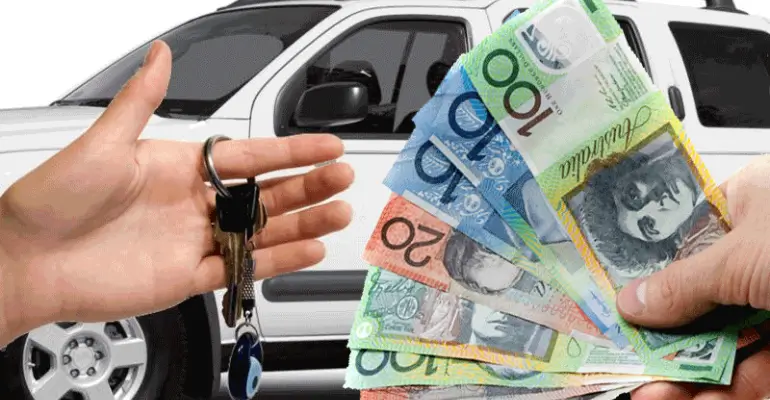
Cars are changing faster than ever before. Autonomous technology, advanced sensors, and computer-driven systems are moving from testing stages to real roads. As these vehicles become more common, many people wonder how older cars will fit into this future. This question also affects the cash-for-cars industry, which has long focused on unwanted or end-of-life vehicles.
The future of cash-for-cars in an autonomous vehicle world will look different from the past. The core purpose will remain the same, but the way vehicles are assessed, dismantled, and reused will continue to evolve.
Understanding Autonomous Vehicles
Autonomous vehicles use a mix of cameras, radar, lidar, software, and onboard computers to drive with limited or no human input. These systems rely on accurate data and precise mechanical condition. When parts wear out or software becomes outdated, the vehicle may no longer meet safety or performance standards.
This creates a new lifecycle for cars. Instead of being retired due to engine failure or body damage, some vehicles may be retired due to outdated systems or unsupported software.
Why Older Vehicles Will Still Exit the Road
Even in a future filled with self-driving cars, older vehicles will still leave the road. Mechanical wear, accident damage, and changing safety rules will continue to remove cars from use. Autonomous vehicles also contain more electronics, which may age faster than traditional mechanical parts.
Government rules may also play a role. If safety standards require advanced driver assistance features, older cars without these systems may no longer meet registration requirements. This will increase the number of vehicles entering the cash-for-cars system.
Changing Focus in Vehicle Assessment
In the past, assessment focused mainly on engines, gearboxes, and body condition. In an autonomous vehicle world, assessment will also include sensors, control units, wiring systems, and onboard computers.
Cameras, radar units, and control modules can be removed and reused in testing, training, or refurbishment programs. Even when a car no longer drives itself safely, many of its components remain usable in other settings.
The Role of Software and Data
Autonomous vehicles rely heavily on software. When these cars reach the end of their road life, data handling becomes important. Storage devices must be cleared properly to protect owner privacy.
Scrap yards of the future will need systems to wipe data from vehicle computers. This step will sit alongside physical dismantling. Data handling will become part of standard vehicle processing.
Parts Reuse in an Autonomous Era
Mechanical parts will still matter. Suspension parts, braking systems, wheels, and structural components will continue to be reused. Electric motors and battery packs will also remain key parts of reuse and recycling.
Autonomous systems add a new layer. Sensors and computing hardware can be reused for research, training, or non-road uses. Universities and testing centres may rely on these parts to develop future systems.
Metals and Materials Will Still Matter
Despite all the technology, cars will still be made from steel, aluminium, copper, and plastics. These materials will continue to be recycled in large volumes.
Autonomous vehicles may even increase material demand. Extra sensors and wiring mean more copper and electronic materials. This keeps recycling central to the industry.
Australia already recycles most of a car by weight. This rate is expected to remain high, even as vehicle designs change.
Safety Rules Will Shape the Industry
Autonomous vehicles bring new safety concerns. High-voltage systems, battery packs, and sensitive electronics require careful handling. Scrap yards will need updated training and equipment.
Battery storage rules will remain strict. Fire prevention and monitoring systems will become more common. These steps protect workers and nearby communities.
Transport and Collection in the Future
Autonomous technology may also affect how cars are collected. Self-driving vehicles could move themselves short distances in controlled areas. However, damaged or non-operational cars will still need transport support.
Services offering Free Car Removal Townsville will remain important. Not every vehicle will be able to move on its own. Collection services will continue to connect car owners with recycling pathways.
How Local Operators Will Adapt
A local operator such as North Coast Wreckers will adapt by expanding skills and systems. Staff will handle vehicles with complex electronics and advanced safety systems. Digital records will track parts, materials, and compliance steps.
Local involvement will remain important. Processing vehicles close to where they are collected supports regional repair shops and recycling plants. This keeps materials moving within the local economy.
Economic Shifts Within Cash-for-Cars
The cash-for-cars industry will not disappear. It will shift focus. Instead of mainly handling older petrol cars, it will process a mix of electric, hybrid, and autonomous vehicles.
This change will support new roles. Data handling, electronics testing, and battery management will grow in importance. Mechanical dismantling will still exist, but alongside digital processes.
Environmental Considerations
Autonomous vehicles are often linked to lower emissions and improved traffic flow. Recycling plays a role in this outcome. Reusing materials reduces the need for new mining and manufacturing.
Battery recycling will remain central. Lithium, nickel, and cobalt recovery supports future vehicle production and energy storage systems.
Proper recycling also reduces landfill use and protects soil and water resources.
What Car Owners Can Expect
For car owners, the process will remain familiar. When a vehicle reaches the end of its road life, it will be collected and processed. The difference will be in what happens next.
More parts will be catalogued digitally. Data will be handled carefully. Advanced systems will be dismantled alongside traditional components.
Owners may notice that newer vehicles are assessed differently due to their technology, but the overall pathway will remain clear.
Conclusion
The future of cash-for-cars in an autonomous vehicle world will be shaped by technology, safety rules, and material reuse. Cars will continue to leave the road for many reasons, including outdated systems and changing standards.
Recycling will remain central. Parts, metals, batteries, and electronics will all play roles in the next phase of the industry. In regions like Townsville, pathways supported by Free Car Removal Townsville will continue to guide vehicles into responsible processing systems.