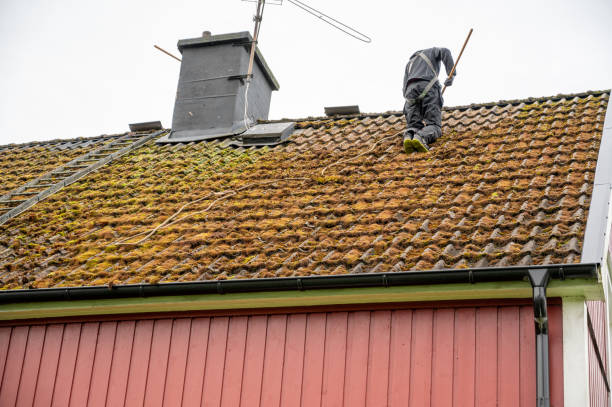
You look up at your house and see it—a soft, velvety green layer spreading across your shingles. It might look quaint, even a little charming, like something out of a fairy tale. However, when that green carpet is moss on roof surfaces, it is actually a sign of trouble. This common issue, often found in cool, moist, and shady climates, is much more than a cosmetic problem; it poses a serious threat to the integrity and lifespan of your entire roofing system.
Ignoring this unwelcome growth can lead to costly repairs, from lifting and cracking shingles to structural damage caused by trapped moisture. But don’t worry! With the right knowledge, you can tackle this issue head-on.
This comprehensive guide will explain exactly what causes moss, why it is dangerous, and provide simple, effective, and safe methods to get rid of moss on roof areas for good, ensuring your home remains protected and beautiful.
What Exactly is Moss and Why Does It Love Your Roof?
Moss is a non-vascular plant, meaning it doesn’t have true roots. Instead, it anchors itself to surfaces using tiny hair-like structures called rhizoids. It gets all the water and nutrients it needs directly from the air and surface it lives on.
Your roof provides the perfect habitat for moss for several reasons:
- Moisture Retention: Moss thrives in damp environments. Roofs that do not get full sun exposure—especially those facing north or covered by tree canopies—remain wet for long periods after rain or dew, creating an ideal nursery for moss spores.
- Organic Matter: Shingles, particularly asphalt shingles, often collect dust, debris, and fallen leaves. This organic material holds moisture and acts as a food source for moss. Cedar and wood shake roofs are also highly susceptible because they are porous and naturally retain moisture.
- Shade and Cool Temperatures: Direct sunlight is a natural enemy of moss. Shaded areas keep the surface cool and prevent the rapid evaporation of moisture, allowing the moss to flourish.
- Limestone Fillers: Some asphalt shingles contain crushed limestone, which the moss utilizes for nutrients, further encouraging its growth.
The Danger: Why Moss on Roofs is a Serious Problem
While a little bit of moss might not seem like a big deal, its continuous growth causes physical damage that compromises the primary function of your roof: keeping water out.
1. Shingle Damage and Lifting
As moss grows, its rhizoids weave themselves into the microscopic spaces and granular surfaces of asphalt shingles. As the moss absorbs water, it expands. This continuous cycle of absorption and expansion slowly lifts the edges of the shingles.
- When shingles lift, the overlapping seal is broken. This allows wind-driven rain and moisture to seep underneath the shingle and reach the underlayment and decking below.
- In cold climates, the absorbed water freezes and expands, causing cracks and accelerating shingle destruction.
2. Trapped Moisture and Rot
The dense, spongy layer of the moss mat acts like a massive sponge, preventing the roof from drying out.
- Decking Rot: Constant dampness against the roof decking (the wood layer beneath the shingles) can lead to wood rot. Rotting wood loses its strength and can lead to structural failure, requiring expensive replacement of large sections of the roof.
- Granule Loss: Moss accelerates the loss of protective granules on asphalt shingles. These granules reflect UV light and protect the asphalt core. Once they are gone, the shingle rapidly deteriorates.
3. Clogged Gutters and Drainage Issues
Moss that washes off the roof often collects in the gutters, forming clogs. Clogged gutters prevent proper drainage, causing water to pool and overflow. This overflow can cause water damage to the fascia boards, soffits, and the siding of your home.
Safe and Effective Methods for Moss Removal
When dealing with moss on roof surfaces, the most important rule is to be gentle. Never use a high-pressure washer or a hard-bristled brush. High-pressure washing will strip the protective granules off asphalt shingles, voiding your warranty and drastically shortening your roof’s life.
1. The Manual and Chemical Approach (Best for Active Growth)
This method is best for tackling thick, existing moss growth.
- Step 1: Gentle Scraping (Optional but Recommended): Use a soft-bristled brush or a paddle made of plastic to gently sweep or loosen the thickest patches of moss. Work from the top of the roof down to avoid lifting the shingles. Never scrub hard or use metal tools.
- Step 2: Apply a Moss-Killing Solution: The most effective and widely used solutions are:
- Commercial Moss Killers: Look for products containing potassium salts of fatty acids. These are usually applied with a garden sprayer, killing the moss without harming the roof materials.
- Bleach Solution: Mix a solution of 50% household chlorine bleach and 50% water. Apply this carefully on a cloudy day using a garden sprayer. Caution: Bleach can harm surrounding plants and is highly corrosive, so protect landscaping and wear proper safety gear.
- Vinegar Solution: A milder, more eco-friendly option is undiluted white vinegar, though it may require multiple applications.
- Step 3: Let the Solution Work: Do not rinse the solution immediately. Allow it to soak into the moss. The moss will turn white or brown over the next few weeks as it dies.
- Step 4: Natural Wash-Off: Allow the dead moss to naturally wash off with rain. This slow process is the safest way to remove the remnants without damaging the shingles.
2. Prevention: Zinc and Copper Strips (Best for Long-Term Control)
The most sustainable way to keep your roof moss-free is to install zinc or copper strips.
- How it Works: These metals are naturally toxic to moss and algae. Install a continuous strip of zinc or copper flashing just below the peak (ridge) of the roof.
- The Science: Every time it rains, a small amount of metal ions (zinc or copper) is washed down the roof surface. This creates an environment that is hostile to moss spores, preventing them from taking hold. This acts as a long-term, passive preventative measure against future moss on roof growth.
🌳 Maintenance and Prevention Tips
Once you have removed the existing growth, maintenance is key to preventing the recurrence of moss on roof surfaces.
- Trim Trees: Cut back any tree branches that hang over the roof. This simple step increases sunlight exposure and airflow, which helps the roof dry quickly after rain—the number one defense against moss.
- Clean Gutters Regularly: Ensure gutters and downspouts are clear to allow for efficient water runoff. Standing water encourages mold and moss growth.
- Apply Maintenance Treatments: Re-apply moss-killing solutions every six to twelve months, or follow the manufacturer’s instructions. Regular, preventative application is much easier than treating a full-blown infestation.
- Inspect Annually: Make it a habit to visually inspect your roof every spring and fall, preferably with binoculars from the ground, or safely from a sturdy ladder. Catching small patches early saves time and money.
By understanding the root causes and committing to simple maintenance, you can protect your roof from damage, extend its service life, and keep your home looking its best, free from the unwelcome and destructive green menace.