Hair thinning is one of the most common concerns affecting both men and women. While it can result from genetics, aging, hormonal changes, stress, or inflammation, the impact is often more than cosmetic—it affects confidence, self-esteem, and overall well-being. Traditional treatments like topical medications, PRP, or hair transplants can help, but recent advancements in regenerative medicine have introduced a next-level solution: exosome therapy. Visit our site to know about exosomes hair treatment price.
Exosome therapy represents a breakthrough in non-surgical hair restoration, offering a targeted, scientifically driven approach that revitalizes the scalp, strengthens follicles, and promotes natural hair growth.
What Are Exosomes?
Exosomes are tiny extracellular vesicles secreted by stem cells. Acting as cellular messengers, they carry a rich array of regenerative molecules, including:
-
Growth factors
-
Peptides
-
MicroRNA and mRNA
-
Proteins and lipids
-
Anti-inflammatory cytokines
These molecules help regulate cellular communication, repair damaged tissue, and stimulate regeneration. In the context of hair, exosomes deliver precise signals that awaken dormant follicles, reduce inflammation, and enhance the scalp’s natural ability to grow stronger, thicker hair.
How Exosome Therapy Works for Hair Restoration
1. Activates Dormant Hair Follicles
Hair follicles go through a cycle of growth, rest, and shedding. Factors like stress, aging, or hormonal imbalance can trap follicles in the resting phase. Exosomes deliver signals that “reactivate” these follicles, pushing them into the growth (anagen) phase.
2. Reduces Inflammation
Chronic scalp inflammation is a common cause of hair miniaturization and shedding. Exosomes carry anti-inflammatory molecules that calm the scalp, reduce irritation, and create a healthier environment for follicles to thrive.
3. Promotes Thicker, Stronger Hair
By supporting dermal papilla cells—the follicle’s “control center”—exosomes encourage hair strands to grow thicker and stronger. This not only improves hair density but also reduces breakage and shedding.
4. Enhances Blood Flow and Nutrient Delivery
Exosomes improve microcirculation around the follicles, ensuring optimal oxygen and nutrient supply, which is critical for robust hair growth.
5. Complements Other Treatments
Exosomes can be used alongside PRP, microneedling, laser therapy, or even hair transplantation to enhance results. Many clinics report synergistic benefits when combining therapies.
The Procedure: What to Expect
Exosome therapy is minimally invasive and typically involves the following steps:
-
Consultation: Assessment of your scalp, hair-loss pattern, and medical history to ensure suitability.
-
Preparation: The scalp is cleaned, and a topical anesthetic may be applied for comfort.
-
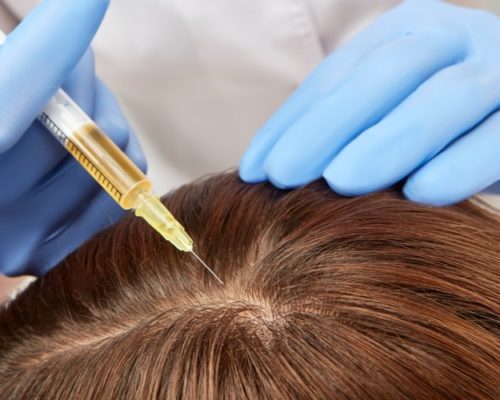
Application: Exosomes are delivered to thinning areas through microinjections or combined with microneedling to improve absorption.
-
Recovery: Minimal downtime; mild redness or tenderness may appear but usually resolves within hours.
-
Results: Hair improvement gradually appears over 2–6 months, with visible gains in thickness, density, and overall hair health.
Who Can Benefit from Exosome Therapy?
Exosome therapy is suitable for individuals with:
-
Early to moderate hair thinning
-
Male or female pattern hair loss
-
Stress-related shedding
-
Weak or miniaturized hair
-
Scalp inflammation contributing to hair loss
While those with extensive baldness may require combination treatments or hair transplantation, exosomes can still improve scalp health and enhance overall outcomes.
Exosome Therapy vs. PRP
Both exosome therapy and PRP aim to stimulate hair growth, but they differ in key ways:
| Feature | PRP | Exosome Therapy |
|---|---|---|
| Source | Patient’s own blood platelets | Stem cell-derived extracellular vesicles |
| Growth Factor Concentration | Variable | High and consistent |
| Anti-inflammatory Effects | Limited | Strong |
| Blood Draw Required | Yes | No |
| Cellular Precision | Moderate | High |
Many providers use exosomes after PRP to maximize regenerative benefits.
Safety and Considerations
Exosome therapy (كم جلسة إكسوزوم للشعر) is generally safe when performed by a qualified provider using high-quality products. Because exosomes contain no live cells, immune rejection is extremely rare. Mild side effects may include temporary redness, swelling, or tenderness.
However, results vary based on individual factors such as genetics, health, and hair-loss severity. It’s essential to work with a licensed professional who adheres to proper regulatory and safety standards.
Why Exosome Therapy Is the Future of Hair Restoration
Exosome therapy represents a shift from symptom-focused treatments to regenerative, science-driven solutions. By working at the cellular level, exosomes can:
-
Reactivate dormant follicles
-
Reduce scalp inflammation
-
Strengthen weak hair
-
Improve blood flow and nutrient delivery
For anyone looking to go beyond temporary fixes and achieve natural, sustainable results, exosome therapy offers a cutting-edge option that truly addresses the root causes of thinning hair.