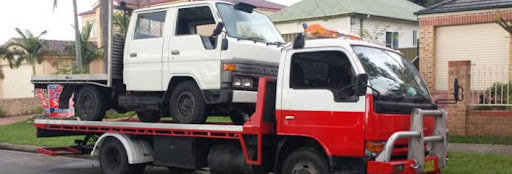
Every car has a story. Some have travelled hundreds of thousands of kilometres, while others have faced accidents or mechanical failures that make repair uneconomical. When a vehicle reaches the end of its useful life, selling it for cash is often the most practical option. However, the process is more than just removing a car from a driveway. Behind the transaction lies a detailed system of dismantling, grading, and recycling that ensures every part can serve a new purpose.
Receiving and Inspecting the Vehicle
When a car is brought to a salvage yard, the first step is a thorough inspection. Staff document the make, model, age, and condition of the vehicle. This helps determine which components can be reused, which can be sold as spare parts, and which should be recycled. Cars contain valuable materials such as steel, aluminium, copper, and plastics, all of which can be recovered and returned to industry. https://www.carwreckersadelaide.com/
Environmental safety is a key consideration during inspection. Fluids like engine oil, brake fluid, and coolant must be handled carefully. Australian environmental regulations require strict management of these substances to prevent soil and water contamination. Batteries and airbags also receive special attention, as improper handling can be hazardous.
Dismantling the Vehicle
After inspection, dismantling begins. The process follows a logical order to maximise the recovery of parts. Interior components such as seats, dashboards, and trim are removed first. These items can often be resold to mechanics or car enthusiasts who maintain older vehicles.
Next, exterior parts like mirrors, lights, and panels are removed. These pieces are sorted for resale or recycling depending on their condition. Engines, transmissions, and other mechanical components are carefully extracted. Even if they are no longer functional, their metals can be melted down and reused.
Tyres and wheels are separated, as they can be repurposed for construction material, sports surfaces, or other industrial uses. Similarly, copper wiring, aluminium engine blocks, and steel chassis components are graded for recycling.
Grading and Sorting Materials
Once dismantled, materials undergo grading. Steel, aluminium, copper, and other metals are separated based on type and quality. This process ensures that each metal stream can be efficiently processed into new products. For example, steel is commonly melted and reshaped for construction, appliances, or new vehicles. Aluminium, prized for its light weight, is used in automotive and industrial applications. Copper wiring is often recycled for electrical equipment.
Grading also includes checking for reusable components. Parts such as alternators, radiators, and suspension systems may be tested for functionality and resold. This reduces the need to manufacture new parts, saving energy and resources.
Recycling and Rebirth
Recycling transforms old car parts into raw materials for new products. Steel and aluminium are melted down and purified before being cast into sheets or blocks for manufacturing. Plastics are shredded, cleaned, and repurposed for various industrial uses. Even rubber from tyres can be transformed into playground surfaces, mats, or road material. This cycle significantly reduces the environmental impact of retired vehicles and conserves natural resources.
The recycling process also plays a role in reducing carbon emissions. Producing steel from recycled materials uses significantly less energy than creating it from raw ore. Similarly, aluminium recycling saves up to 95 per cent of the energy required to produce primary aluminium.
Supporting Communities Through Salvage
Salvage yards also provide important community support. By supplying resold parts, they help people maintain vehicles without purchasing new replacements. This is especially valuable in regional areas where access to new parts may be limited. Mechanics and car enthusiasts rely on these parts to keep older vehicles operational, which contributes to transport sustainability and reduces unnecessary waste.
Vehicle owners who sell their cars for cash benefit from receiving immediate value for an unwanted vehicle. This process also ensures that vehicles are properly dismantled and responsibly recycled, keeping them out of illegal dumping or landfill.
Connecting the Process to Local Services
The cycle of car salvage works hand in hand with vehicle removal services. Companies that collect old or unwanted vehicles ensure they reach salvage yards for proper processing. Car Wreckers Adelaide is part of this cycle, offering a service where owners can receive Cash for Trucks Adelaide while also contributing to material recovery and recycling. This link between owners and salvage yards demonstrates how local services support both environmental goals and community needs by giving each vehicle a second life.
Safety and Regulation in Vehicle Salvage
Australian salvage yards operate under strict guidelines for environmental and occupational safety. Workers follow procedures for handling hazardous materials, and equipment is regularly maintained to prevent accidents. This ensures that both staff and the surrounding environment are protected.
Regulations also cover the proper documentation of vehicle parts. This includes tracking materials for recycling, which helps maintain transparency and ensures that recovered metals are efficiently reintegrated into industry supply chains.
The Future of Vehicle Salvage
As the automotive industry evolves, salvage yards must adapt. Electric vehicles, hybrid engines, and advanced plastics require specialised handling. Battery recovery is becoming increasingly important due to the growing use of lithium-ion batteries in cars. Techniques for safely dismantling and recycling these new technologies are being developed alongside traditional salvage practices.
Despite these changes, the core principle remains the same: every car, regardless of size or type, contains valuable materials that can be given new purpose. Salvage yards continue to play a central role in reducing waste, supporting local economies, and preserving resources.
Conclusion
Selling a car for cash is more than a transaction. It initiates a detailed process where every part of the vehicle is inspected, dismantled, sorted, and either resold or recycled. Salvage yards turn retired vehicles into valuable resources, support communities, and contribute to environmental sustainability. By participating in this system, vehicle owners ensure that their cars continue to serve a purpose long after they leave the road, creating a cycle of renewal and responsible reuse.