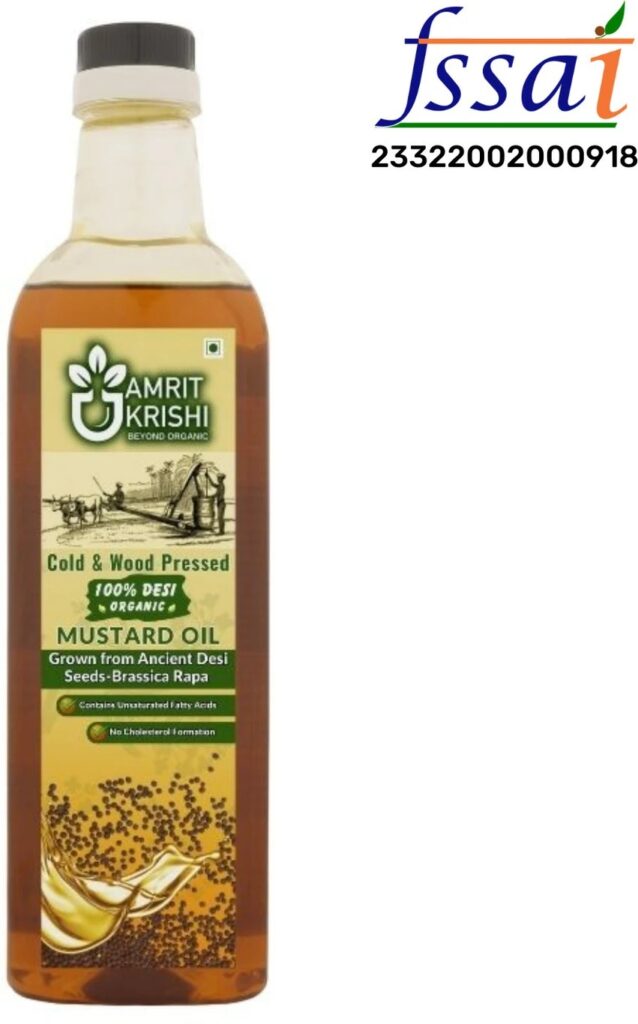
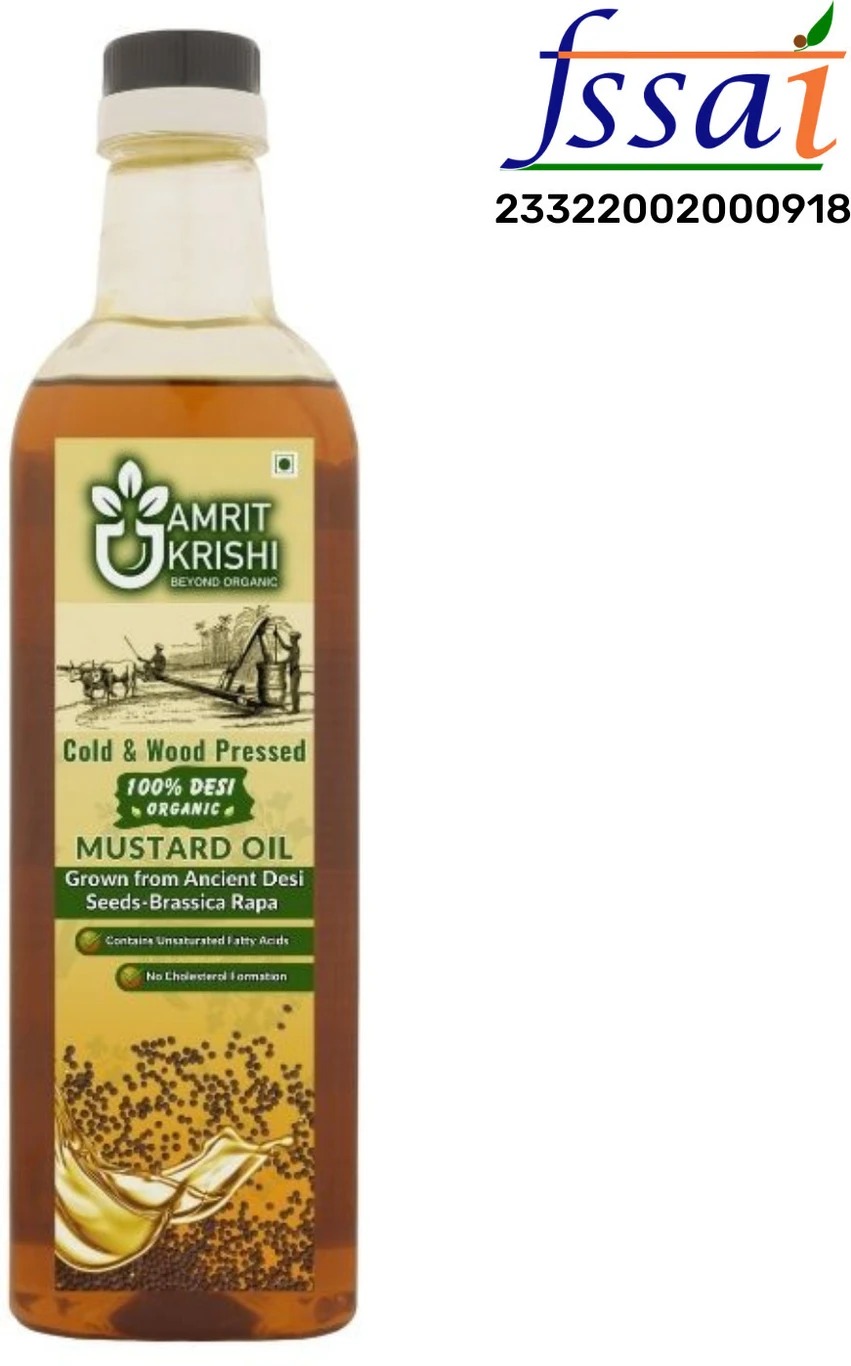
For generations, Indian kitchens have relied on local, natural, and nutrient-rich ingredients, and one ingredient now reclaiming its rightful place is Desi Mustard Oil. Known for its bold aroma, golden color, and countless health benefits, this traditional cooking oil is making a strong comeback as families across the country shift toward cleaner, more authentic food choices. Once overshadowed by refined oils, mustard oil is now being appreciated again for its purity, flavor, and scientifically proven nutritional value. As modern households focus on healthier cooking habits, this heritage oil is gaining recognition as one of the most valuable culinary staples of India.
Mustard oil has a deep-rooted history in Indian culture, especially in northern and eastern regions where it has been used for centuries not only in cooking but also in medicinal practices. Traditional Ayurveda considers mustard oil a “heating oil,” believed to improve digestion, boost blood circulation, and strengthen immunity. Over time, the availability of refined oils shifted preferences, but with increasing concerns about chemical processing and the loss of natural nutrients, consumers are returning to natural oils that support long-term wellness. Mustard oil, extracted through cold-pressing methods, retains its original vitamins, antioxidants, and beneficial fatty acids making it one of the healthiest choices for everyday cooking.
Nutritionally, mustard oil holds significant value. According to food science studies, its composition includes nearly 60% monounsaturated fatty acids (MUFA), about 21% polyunsaturated fatty acids (PUFA), and a low percentage of saturated fats. MUFAs and PUFAs improve heart health by reducing bad cholesterol (LDL) and increasing good cholesterol (HDL). This balance of healthy fats makes mustard oil comparable to some of the most globally acclaimed oils, including olive oil. Additionally, mustard oil contains omega-3 and omega-6 fatty acids essential nutrients that the body cannot produce on its own. These fatty acids support brain function, joint health, and hormonal balance, making mustard oil an excellent choice for a modern Indian diet.
Beyond its nutrient composition, mustard oil is also rich in natural antioxidants, especially Vitamin E, which helps fight cell damage and slows aging. Its antibacterial, antifungal, and anti-inflammatory properties have long been recognized in traditional Indian households. These qualities help improve immunity, protect the skin, and promote respiratory health. No other cooking oil in India carries such a strong blend of culinary and therapeutic benefits. As families seek multi-purpose natural ingredients, mustard oil stands out for both kitchen and wellness uses.
In the middle of this nutritional conversation, it is important to highlight how Desi Mustard Oil supports modern cooking habits while staying true to traditional flavors. Indian meals often involve sautéing, frying, tempering, and slow cooking all techniques that require an oil with a high smoke point. Mustard oil has a naturally high smoke point, making it suitable for high-heat cooking without breaking down into harmful compounds. Its sharp aroma and pungent taste elevate dishes by adding a distinctive flavor that cannot be replicated by refined oils. From aloo bhaji and stuffed parathas to fish curry and pickles, mustard oil has always given Indian food its authentic regional character.
Another major reason behind mustard oil’s comeback is the shift toward unrefined, cold-pressed oils. Many refined oils undergo heavy chemical treatment, bleaching, and deodorizing processes that remove nutrients. Cold-pressed mustard oil, extracted traditionally using wooden or slow-spinning machines, retains all its natural nutrients and antioxidants. This purity attracts health-conscious consumers who prefer nutrient-dense foods over artificially processed ingredients. Families are now choosing oils that align with clean eating, and mustard oil fits perfectly into that lifestyle.
In addition to health and flavor, mustard oil supports digestive wellness. Its natural “warming” nature stimulates the digestive system and boosts metabolism. For decades, people have relied on mustard oil for treating indigestion, increasing appetite, and supporting overall gut function. Modern scientific research also supports its antimicrobial properties, which can help protect the digestive tract from harmful bacteria. In a time when digestive health is becoming central to general wellness, mustard oil provides natural support without the need for artificial supplements.
Mustard oil is also making its way back into Indian kitchens due to its cultural significance. It has always been an essential ingredient in many regional dishes from Bengal’s fish delicacies to Punjab’s sarson da saag and Rajasthan’s pickles. As people rediscover traditional regional cooking, they are embracing the original ingredients that bring those flavors to life. Food bloggers, chefs, and nutritionists are advocating the use of mustard oil to preserve authenticity while enhancing nutrition. This cultural revival has helped mustard oil regain prominence in modern kitchens.
Another compelling reason families are choosing mustard oil is its sustainability. Mustard cultivation requires minimal water and grows naturally in Indian soil without heavy chemical dependency. Using mustard oil supports local farmers, promotes environmentally conscious agriculture, and reduces reliance on imported oils. As consumers become more eco-aware, such locally sourced and sustainable choices are gaining widespread appreciation.
The versatility of mustard oil also contributes to its popularity. In addition to cooking, it is widely used as a natural remedy for coughs, colds, and joint pain. Many households still use mustard oil for body massage, hair nourishment, and skin protection during winter months. This multifunctional use makes it an economical and practical choice for families looking for natural solutions in everyday life.
In conclusion, the growing preference for pure, natural, and nutrient-rich ingredients has brought mustard oil back into the spotlight. Families today are more aware of what they consume and are moving away from heavily processed oils that offer little nutritional value. Traditional options like Desi Mustard Oil provide a perfect balance of flavor, purity, and health benefits. Its rich nutritional profile, digestive support, heart-friendly fats, and cultural significance make it a powerful addition to modern diets. As India continues to embrace clean eating and wholesome living, mustard oil is reclaiming its place as one of the most trusted and valuable cooking oils in Indian households and its comeback is just the beginning.