Florida requires functional emergency response systems because it has multiple medical facilities that serve its elderly population and its booming tourism sector.
Miami hospitals and Central Florida senior residential areas require medical staff to master proper cardiac emergency treatment procedures.
The American Heart Association (AHA) certification system provides organizations with safety training programs that meet international standards through its evidence-based training certification process.
The value of a credible certification is significant for healthcare providers, educators, and workplace safety officers because it shows their skill level and competence; this is why, today, we’ll see the importance of getting CPR approved by the American Heart Association in Florida.
Key Takeaways
- Why are AHA standards the preferred choice for Florida’s healthcare and educational sectors?
- The physiological significance of high-quality compressions as defined by AHA guidelines.
- How does the “Chain of Survival” framework improve patient outcomes in real-world scenarios?
- The role of hands-on skills validation in ensuring rescuer confidence and competence.
Why Does American Heart Association-Approved CPR Certification Carry More Credibility In Florida?
● Alignment With Florida’s Rigorous Healthcare Standards
Florida medical professionals must obtain specific certifications, which the Agency for Health Care Administration and the Department of Health in Florida established as their required professional licensing standards.
All hospitals, clinics, and emergency medical services (EMS) organizations require their personnel to get CPR approved by the American Heart Association in Florida. The AHA is the primary creator of scientific guidelines that all resuscitation programs abide by.
The AHA card confirms to employers that holders received training to identify urgent medical situations and deliver professional CPR during team operations.
● Evidence-Based Science And The “Chain of Survival”
The American Heart Association leads cardiovascular research by developing educational programs that incorporate current resuscitation scientific discoveries.
To get CPR approved by the American Heart Association in Florida, it is essential to learn the “Chain of Survival” as a sequence of critical actions that lead to better recovery outcomes.
The emergency response system needs immediate detection, while the process requires maintenance of high-quality chest compressions and an Automated External Defibrillator (AED) so that emergency responders can rapidly deploy both systems.
The Florida rescue framework provides professional rescuers with scientifically validated protocols, which enable them to deliver optimal emergency medical assistance during time-sensitive situations.
● Standardized Training And Hands-On Proficiency
The requirement for a physical skills assessment establishes AHA courses as highly authentic training programs. The AHA maintains that while digital learning is valuable, manual proficiency must be assessed using direct assessment methods.
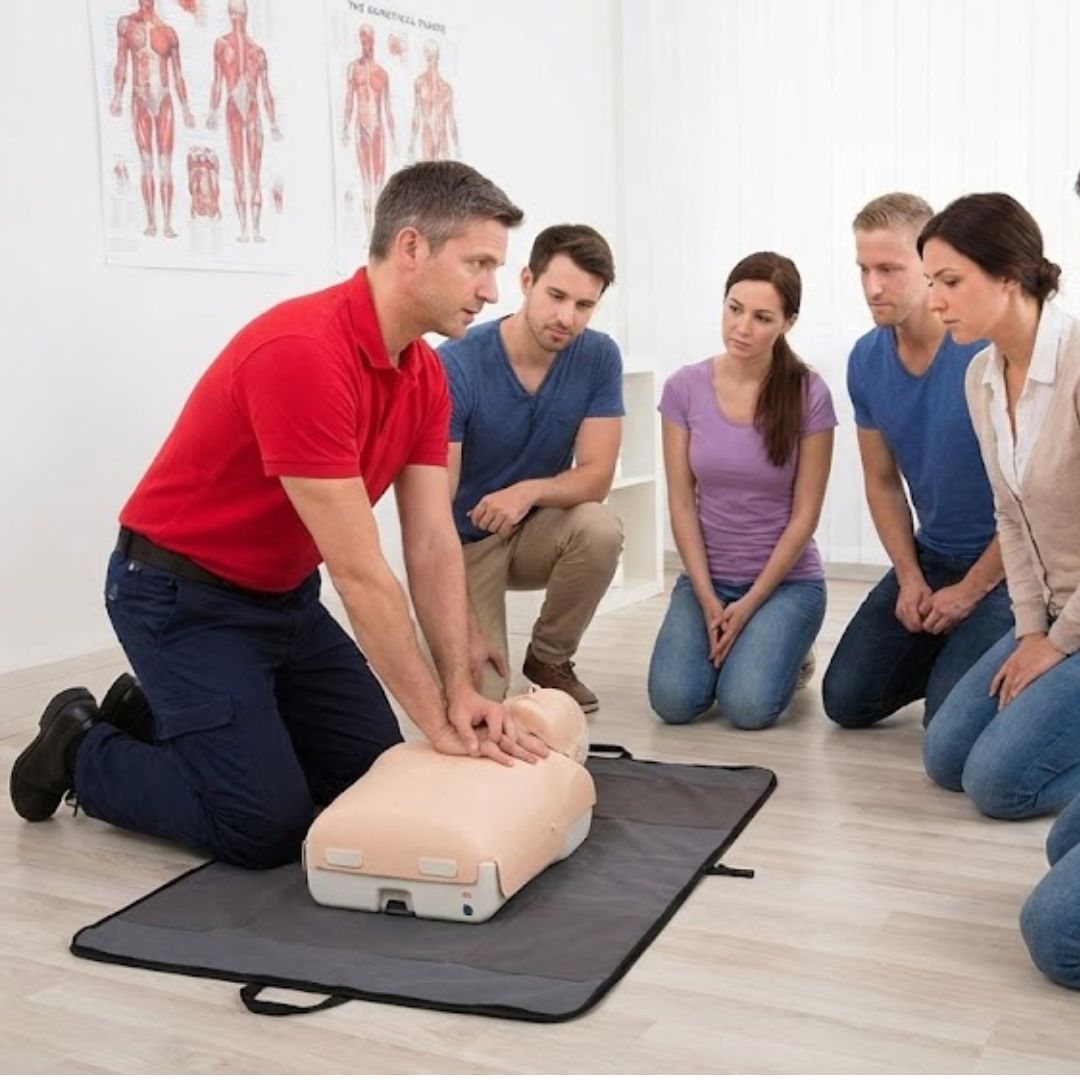
Residents who want to get CPR approved by the American Heart Association in Florida must practice on high-fidelity manikins, which deliver immediate feedback about their compression depth and rate performance.
The practical assessment process verifies that certified professionals have the skills needed to execute essential life-saving maneuvers that maintain blood circulation to the brain and vital organs until medical help arrives.
● Universal Recognition And Portability Of Credentials
The AHA brand, to the Florida professional, confers an important practical good as proof of internationally accepted competency. AHA certification functions as a universal credential that requires no additional explanation when professionals move between states or start new jobs in another state.
The AHA CPR certification, which Florida residents utilize, provides them with maximum employment flexibility because Florida serves as a major travel and temporary work destination.
The credential assures licensing boards and HR departments that the holder’s skills have been validated by an authorized instructor and meet all national Occupational Safety and Health Administration (OSHA) standards.
Conclusion
The process of obtaining a certification that satisfies all medical standards requires dedicated effort from professionals who need to safeguard others. In Florida, emergencies require first responders to select their training programs because the state prioritizes both medical compliance and public safety.
The American Heart Association BLS provider CPR certification in Florida proves to be the most effective training program for professionals who need to prepare for emergencies that occur in hospitals and outside medical facilities.
If you want to acquire these essential skills through a high-quality program that guarantees worldwide credential recognition, then you should start by scouting reliable crews who possess established expertise in the field.