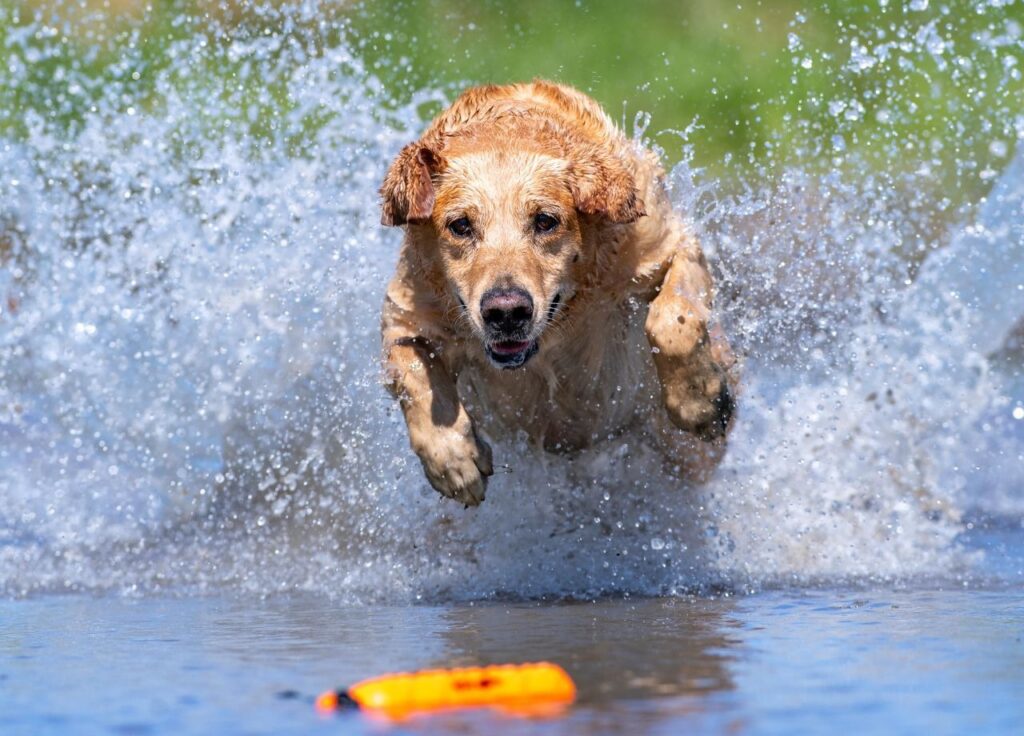

Retrievers are intelligent, loyal, and eager to please, which makes them perfect companions for fieldwork, hunting, and everyday life. However, to bring out their full potential, they need structured, consistent, and positive training. Pat Nolan is known for his expert approach to retriever training, helping dogs develop discipline, confidence, and strong retrieving skills.
Whether you’re searching for retriever training near me, want to improve your Labrador’s skills, or want to learn effective field techniques, this guide covers the essential steps to get started.
Understanding the Basics of Training Your Retriever
Training your retriever starts with a strong foundation. Before advanced techniques, your dog must master simple obedience commands such as sit, stay, heel, and come. These commands set the tone for every other skill your retriever will learn.
Retrievers naturally enjoy carrying objects, running, and following human cues. When this instinct is shaped correctly, it leads to dependable retrieving behavior both in training and in real field situations. Positive reinforcement, patience, and consistency are the keys to success at this early stage.
Teaching Your Lab to Retrieve the Right Way
Many new handlers believe retrieving is automatic for Labrador Retrievers, but proper technique ensures reliability and structure. The process should be gradual:
1. Encourage Interest
Start with soft bumpers or toys. Allow your Lab to chase and hold the object. Praise the dog for returning, even if the delivery is not perfect.
2. Focus on Delivery
Once the dog understands the game, start shaping clean delivery. Teach the dog to return directly to you and hold the bumper until given a release command.
3. Build Confidence
Short, successful sessions help your retriever stay motivated. The goal is to keep training enjoyable while teaching clear expectations.
Lining Drills for Retrievers: Building Precision and Focus
One of the most important components of advanced retriever training is teaching your dog how to run straight lines. Lining drills for retrievers help strengthen focus, direction, and confidence in challenging environments.
Some common drills include:
- Simple Line Drill: Place bumpers in a straight line and send the dog from a designated point.
- Pile Work: Teach the dog to run confidently toward a pile of bumpers, reinforcing direction and steadiness.
- Pattern Blinds: These help retrievers run straight even when they cannot see the bumper, improving trust and control.
These drills help your retriever learn to follow commands in unpredictable field conditions.
Why Labrador Retriever Training Requires Structure
Labradors are high-energy and highly intelligent, which makes structured training essential. Without guidance, their enthusiasm can turn into distractions. Professional Labrador Retriever training focuses on channeling energy into purposeful tasks such as retrieving, holding steady, and following directional cues.
With consistent practice, Labs become reliable, composed, and confident, whether working in the field or participating in trials.
Retriever Training Near Me: Why Choose a Professional
Searching for retriever training near me often leads dog owners to professional trainers who specialize in behavior shaping and fieldwork. Working with an expert like Pat Nolan provides:
- Customized training programs
- Correct handling techniques
- Improved communication between you and your dog
- Faster skill development
- A safe and structured learning environment
Professional guidance makes a noticeable difference in how quickly your retriever learns and how confidently they perform.
Conclusion:
Training your retriever is a rewarding process that strengthens your bond and builds your dog’s natural abilities. With expert methods, clear communication, and positive reinforcement, your dog can become a reliable and confident partner in the field.
To stay connected with the latest training insights, tips, and demonstrations from Pat Nolan, you can also follow his updates on Facebook and YouTube, where he shares valuable content for handlers at every level.