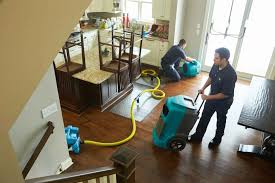
Experiencing a traumatic event in a home, workplace, or public space is emotionally devastating. Whether it’s due to accidents, violent crimes, unattended deaths, or other critical incidents, the aftermath often leaves behind biohazardous materials that pose serious health risks. This is where professional trauma scene cleanup services come into play, ensuring safety, sanitation, and peace of mind for affected individuals and families.
What is Trauma Scene Cleanup?
Trauma scene cleanup, also known as crime scene cleaning or biohazard remediation, involves the thorough cleaning, disinfecting, and restoration of areas affected by trauma. Unlike standard cleaning, trauma scene cleanup requires specialized training, protective gear, and adherence to strict safety regulations. These services address biohazards such as blood, bodily fluids, and other potentially infectious materials, preventing the spread of disease and contamination.
Why Professional Trauma Cleanup is Essential
Handling trauma scenes is extremely dangerous without proper knowledge and equipment. Here are the main reasons to hire professionals:
-
Health Risks: Exposure to bloodborne pathogens, bacteria, viruses, and chemicals can result in serious illness.
-
Emotional Support: Families and witnesses are often traumatized, and professional cleanup teams relieve them from physically and emotionally taxing tasks.
-
Regulatory Compliance: Professionals follow OSHA and local health regulations for proper biohazard disposal, avoiding legal issues.
-
Complete Restoration: Trained technicians not only clean but also restore affected areas to a safe, habitable condition.
Situations Requiring Trauma Scene Cleanup
Trauma scene cleanup is necessary in various situations, including:
-
Homicides or violent crimes: Scenes containing blood or bodily fluids require immediate professional remediation.
-
Suicides or unattended deaths: Proper cleanup prevents the spread of pathogens and ensures respectful handling.
-
Industrial accidents: Workplace incidents involving hazardous materials or bodily fluids need specialized care.
-
Vehicle accidents: Blood and fluid contamination in cars, trucks, or public transport demand professional attention.
The Trauma Scene Cleanup Process
Professional cleanup teams follow a structured process to ensure safety and thoroughness:
1. Assessment and Planning
Technicians inspect the affected area to identify hazards, determine the scope of work, and select appropriate cleaning agents and equipment.
2. Personal Protective Equipment (PPE)
Workers use full protective gear, including gloves, masks, goggles, and hazmat suits, to prevent exposure to biohazards.
3. Biohazard Containment
Affected areas are secured and isolated to prevent cross-contamination to other parts of the property.
4. Cleaning and Disinfection
Specialized cleaning agents and techniques are used to remove blood, fluids, and other contaminants. Surfaces are disinfected according to CDC and OSHA standards.
5. Deodorization
Professional-grade deodorizing products are applied to eliminate any lingering odors caused by biological materials.
6. Waste Disposal
Biohazardous materials are safely packaged, labeled, and disposed of following federal and local regulations.
7. Final Inspection
A thorough inspection ensures the area is safe for reoccupation and fully restored to its original condition.
Choosing the Right Trauma Scene Cleanup Service
When selecting a trauma cleanup service, consider the following factors:
-
Experience and Certification: Look for companies certified in biohazard remediation.
-
24/7 Availability: Trauma incidents can occur at any time, so immediate response is crucial.
-
Compassionate Staff: Teams should handle sensitive situations with respect and discretion.
-
Transparent Pricing: Ensure clear estimates and no hidden fees.
The Importance of Quick Response
Time is critical in trauma scene cleanup. The longer biohazardous materials remain untreated, the higher the risk of bacterial growth, odor development, and health hazards. Immediate professional intervention minimizes risks and speeds up the emotional recovery process for those affected.
Emotional Considerations
Beyond physical hazards, trauma scenes are emotionally distressing. Professional cleanup services provide not only technical expertise but also compassionate support. Families can focus on grieving and healing while trained technicians handle the hazardous and emotionally challenging cleanup.
Conclusion
Trauma scene cleanup is a vital service that ensures safety, hygiene, and peace of mind after tragic incidents. By relying on trained professionals, property owners and families can prevent health risks, comply with regulations, and restore environments to safe, livable conditions. If you or a loved one is faced with the aftermath of a traumatic event, seeking immediate professional assistance is essential for both safety and emotional well-being.