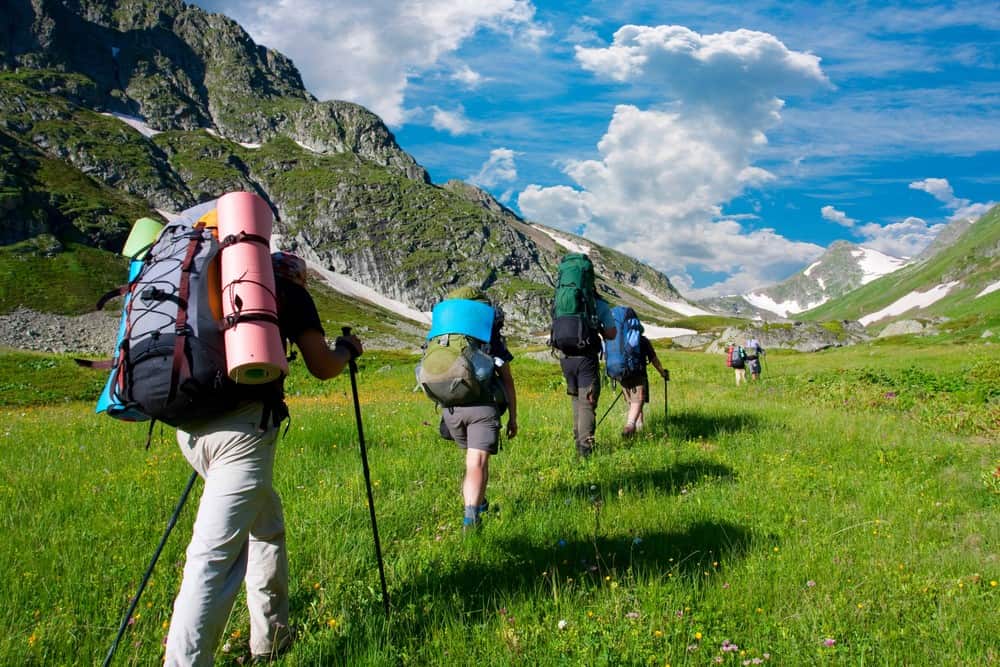
Exploring trekking in India means experiencing snow peaks, alpine meadows, sacred lakes, and vibrant local cultures. India, with its vast and varied geography, is a paradise for trekking enthusiasts. From the snow-capped Himalayan peaks to the verdant Western Ghats, the country offers trails for beginners, seasoned trekkers, and spiritual travelers alike. Trekking in India is not just about physical endurance—it is about immersing yourself in breathtaking landscapes, cultural encounters, and personal transformation.
🌍 Why Trekking in India is Unique
- Diverse Terrain: Himalayas, deserts, coastal hills, and tropical forests.
- Cultural Encounters: Villages, monasteries, and temples along trails.
- Spiritual Significance: Many treks lead to sacred lakes, shrines, and pilgrimage sites.
- Accessibility: Trails for all levels, from weekend hikes to high-altitude expeditions.
🏞️ Popular Trekking Regions in India
1. Uttarakhand
- Roopkund Trek: Famous for the “Skeleton Lake” at 16,499 ft.
- Valley of Flowers: UNESCO World Heritage Site, known for alpine flora.
- Har Ki Dun: Scenic valley trek with cultural immersion.
2. Himachal Pradesh
- Hampta Pass Trek: Connects Kullu and Lahaul valleys.
- Pin Parvati Pass: Challenging trek with glaciers and meadows.
- Triund Trek: Beginner-friendly, offering views of Dhauladhar range.
3. Ladakh
- Chadar Trek: Walking on the frozen Zanskar River.
- Markha Valley Trek: Known for monasteries and desert landscapes.
- Stok Kangri Trek: High-altitude climb (20,000 ft).
4. Sikkim
- Goecha La Trek: Panoramic views of Kanchenjunga.
- Dzongri Trek: Shorter trek with alpine meadows.
5. Kashmir
- Great Lakes Trek: Alpine lakes like Vishansar and Gadsar.
- Tarsar Marsar Trek: Twin lakes surrounded by mountains.
6. Western Ghats
- Kumara Parvatha (Karnataka): Dense forests and grasslands.
- Rajmachi Fort Trek (Maharashtra): Historic fort with monsoon charm.
- Chembra Peak (Kerala): Heart-shaped lake near summit.
🌱 Types of Treks in India
- Beginner-Friendly Treks: Triund, Valley of Flowers, Rajmachi.
- Moderate Treks: Hampta Pass, Kedarkantha, Dzongri.
- Challenging Treks: Pin Parvati, Chadar, Stok Kangri.
- Spiritual Treks: Amarnath Yatra, Kailash Mansarovar (via India).
- Nature-Focused Treks: Valley of Flowers, Kashmir Great Lakes.
🛠️ Activities Along Trekking Routes
- Camping under starry skies.
- Birdwatching and wildlife spotting.
- Photography of landscapes and cultural sites.
- Interaction with local communities.
- Yoga and meditation in serene settings.
🧭 Best Time for Trekking in India
- Summer (April–June): Ideal for Himalayan treks.
- Monsoon (July–September): Best for Western Ghats treks.
- Autumn (September–November): Clear skies, perfect for high-altitude treks.
- Winter (December–February): Snow treks like Kedarkantha and Chadar.
🌐 Preparation Tips
- Acclimatize for high-altitude treks.
- Carry proper gear: boots, jackets, sleeping bags.
- Stay hydrated and maintain fitness.
- Obtain permits for restricted areas (Sikkim, Ladakh).
- Respect local customs and environment.
📈 Economic & Cultural Impact
- Trekking supports local communities through homestays and guides.
- Promotes conservation awareness.
- Strengthens India’s identity as a global adventure destination.
🔮 Future of Trekking in India
- Eco-Tourism: Focus on sustainability.
- Digital Promotion: Online booking and virtual tours.
- Global Recognition: India promoted as a world-class trekking hub.
- Community Participation: Local involvement in conservation and tourism.
✨ Sample Itinerary: 10-Day Himalayan Trek
Day 1: Arrival in Rishikesh, orientation.
Day 2: Drive to Lohajung, base camp.
Day 3: Trek to Didina village.
Day 4: Trek to Bedni Bugyal (meadows).
Day 5: Trek to Bhagwabasa.
Day 6: Summit Roopkund Lake, return to Bedni Bugyal.
Day 7: Trek back to Lohajung.
Day 8: Drive to Rishikesh.
Day 9: Leisure day, explore temples.
Day 10: Departure.
✨ Conclusion
Trekking in India is more than an adventure—it is a journey into diverse landscapes, cultures, and spiritual experiences. From the frozen rivers of Ladakh to the flower-filled valleys of Uttarakhand, India offers trails for every kind of traveler.
By choosing to trek in India, adventurers not only enjoy unforgettable experiences but also contribute to preserving ecosystems and supporting local communities. A trek here is not just a holiday—it is a transformative journey that stays with you forever.