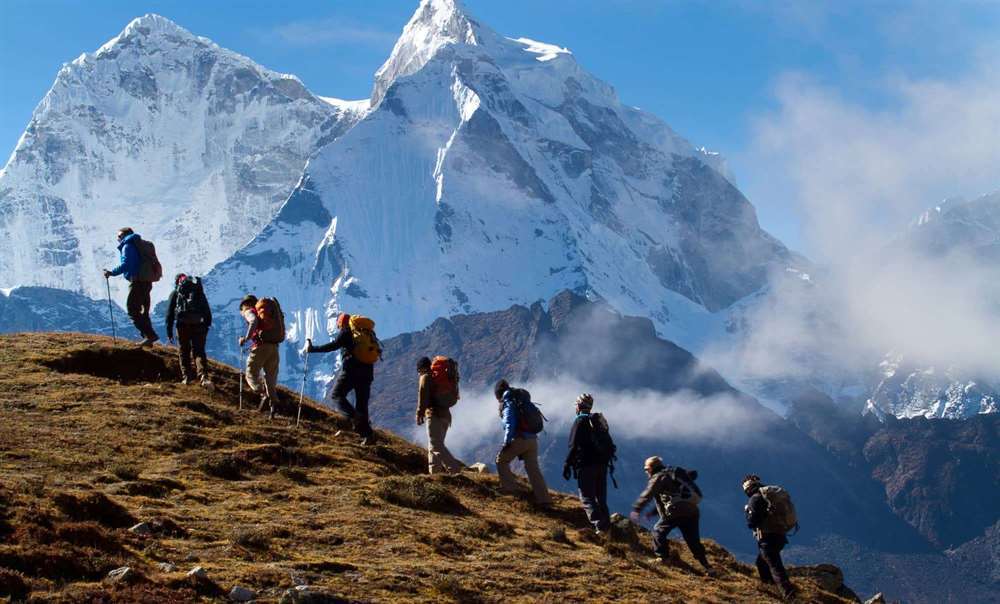
Sikkim, nestled in the Eastern Himalayas, is one of India’s most enchanting trekking destinations. With Mt. Kanchenjunga—the world’s third-highest peak—towering over its landscapes, trekking in Sikkim is a dream for adventure seekers, nature lovers, and cultural explorers alike. Known for its snow-clad peaks, alpine meadows, rhododendron forests, and Buddhist monasteries, the state offers trails that blend natural beauty with cultural richness.
This article provides a detailed 1500-word guide to trekking in Sikkim, covering famous treks, seasonal highlights, cultural experiences, travel tips, and sample itineraries.
1. Why Trekking in Sikkim is Special
- Unique Terrain: Snow peaks, alpine lakes, rhododendron valleys, and subtropical forests.
- Cultural Immersion: Trails pass through Buddhist monasteries, prayer flags, and traditional villages.
- Biodiversity: Rich flora and fauna, including red pandas, orchids, and Himalayan birds.
- Adventure & Spirituality: Treks combine adrenaline with spiritual depth, often overlapping with pilgrimage routes.
2. Famous Treks in Sikkim
Goechala Trek
- Highlights: Close views of Mt. Kanchenjunga and surrounding peaks.
- Duration: 8–10 days.
- Best Season: April–June, September–November.
- Difficulty: Moderate to difficult.
Dzongri Trek
- Highlights: Panoramic views of Kanchenjunga, Pandim, and Kabru peaks.
- Duration: 5–6 days.
- Best Season: March–May, September–November.
- Difficulty: Moderate.
Kanchenjunga Base Camp Trek
- Highlights: Trek to the base of the world’s third-highest mountain.
- Duration: 10–12 days.
- Best Season: April–June, October–November.
- Difficulty: Difficult, requires acclimatization.
Singalila Ridge Trek
- Highlights: Views of Everest, Kanchenjunga, Lhotse, and Makalu.
- Duration: 7–8 days.
- Best Season: March–May, October–November.
- Difficulty: Moderate.
Green Lake Trek
- Highlights: Remote trek to a pristine alpine lake near Kanchenjunga.
- Duration: 10–12 days.
- Best Season: April–June, September–November.
- Difficulty: Difficult, remote terrain.
Tholung Trek
- Highlights: Sacred valley with monasteries and cultural immersion.
- Duration: 5–6 days.
- Best Season: April–June, September–November.
- Difficulty: Easy to moderate.
Kasturi Orar Round Trek
- Highlights: Circular trek offering diverse landscapes and village experiences.
- Duration: 7–8 days.
- Best Season: March–May, October–November.
- Difficulty: Moderate.
3. Seasonal Guide to Trekking in Sikkim
| Season | Best Regions | Popular Treks | Notes |
| Winter (Dec–Feb) | Lower valleys | Short village treks | Cold, limited accessibility |
| Spring (Mar–May) | Rhododendron forests | Dzongri, Singalila | Blooming flowers, pleasant weather |
| Monsoon (Jun–Sep) | Avoid high-altitude | Limited treks | Heavy rains, landslides |
| Autumn (Sep–Nov) | High-altitude regions | Goechala, Kanchenjunga Base Camp | Clear skies, best views |
4. Cultural Highlights Along Trekking Routes
- Monasteries: Pemayangtse, Tholung, and Rumtek enrich treks with spiritual depth.
- Festivals: Losar (Tibetan New Year), Saga Dawa, and Pang Lhabsol.
- Cuisine: Momos, thukpa, butter tea, and millet-based dishes.
- Villages: Experience Sikkimese hospitality in Yuksom, Lachung, and Lachen.
5. Essential Tips for Trekking in Sikkim
- Permits: Required for restricted areas like North Sikkim and Kanchenjunga National Park.
- Fitness: Prepare with cardio and strength training; acclimatization is crucial.
- Gear: Trekking shoes, layered clothing, sleeping bags, waterproof gear.
- Guides: Hire local guides for safety and cultural insights.
- Eco-Friendly: Carry reusable bottles, avoid plastic, respect monasteries and local traditions.
6. Risks and Challenges
- Altitude Sickness: Common above 10,000 ft; acclimatization is essential.
- Weather: Sudden changes in the Himalayas can be dangerous.
- Logistics: Remote treks may lack medical facilities.
- Wildlife: Be cautious in forested treks.
7. Sample Itinerary: 9-Day Goechala Trek
- Day 1: Arrival in Yuksom, acclimatization.
- Day 2: Trek to Sachen.
- Day 3: Trek to Tshoka village.
- Day 4: Trek to Dzongri.
- Day 5: Acclimatization at Dzongri, explore viewpoints.
- Day 6: Trek to Thansing.
- Day 7: Trek to Lamuney.
- Day 8: Trek to Goechala viewpoint, return to Thansing.
- Day 9: Trek back to Yuksom.
8. Sustainable Trekking Practices
- Avoid littering; carry waste back.
- Support local homestays and guides.
- Respect wildlife and avoid noise pollution.
- Participate in conservation initiatives like “Green Trails.”
9. Why Trekking in Sikkim is Special
- Natural Beauty: Snow peaks, alpine lakes, rhododendron valleys, and subtropical forests.
- Adventure: High-altitude treks challenge endurance and skill.
- Cultural Depth: Blend of Tibetan Buddhism and Sikkimese traditions.
- Global Appeal: Attracts trekkers, photographers, and nature lovers worldwide.
Conclusion
Trekking in Sikkim is more than just an adventure—it’s a journey into diverse landscapes, cultures, and spiritual experiences. Whether you’re camping in Dzongri, crossing Goechala, spotting rhododendrons in Singalila, or marveling at Green Lake, Sikkim offers treks for every traveler.
For beginners, seasoned trekkers, and cultural explorers alike, Sikkim is not just a destination—it is an experience that connects you to the essence of the Eastern Himalayas.