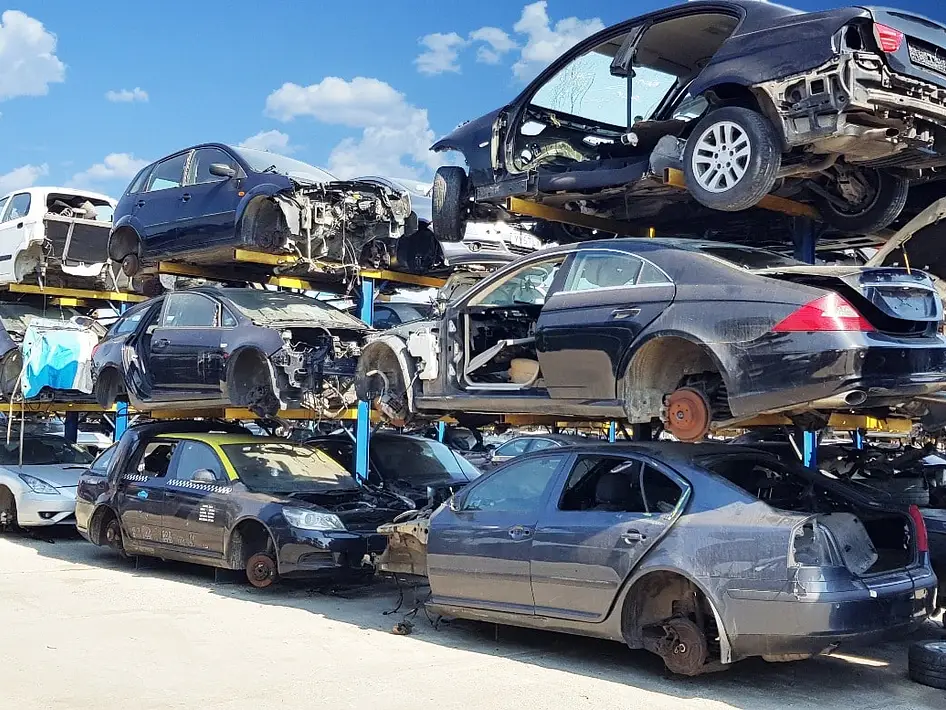
Old vehicles sit in driveways, backyards, garages, and industrial corners of Alexandria, often seen as metal that no longer serves a purpose. However, these old vehicles carry far more potential than most people realise. As environmental concerns grow across Australia, interest in reusing, recycling, and reducing waste has become stronger than ever. One part of this movement is the shift towards responsible car disposal, which is shaping a new environmental pathway in the suburb. This is where the story of turning old cars into eco-friendly solutions in Alexandria begins.
Old cars may look worn out on the surface, yet they hold materials, components, and mechanical value that can support greener practices. The journey from an unused vehicle to recycled resources involves a careful system that reduces landfill waste and helps recover metals, fluids, and parts that can be used again. The suburb has gradually become a place where people view old cars as a source of environmental contribution rather than a burden.
Visit Website: https://www.webuycarsforcash.com.au/
The Growing Concern About Automotive Waste
Australia produces thousands of tonnes of automotive waste every year. According to national waste records, end-of-life vehicles are among the biggest sources of recyclable metals, plastics, glass, and rubber. When old cars are left to decay, they release harmful substances into soil and waterways. Fluids from engines and transmissions can contaminate the environment, while rusted metal weakens local soil health.
Alexandria, with its combination of industrial activity and residential growth, has seen a rise in awareness about environmental risks linked to abandoned vehicles. Local authorities and community groups have highlighted the importance of safe automotive disposal. This has encouraged more residents to take responsible steps when dealing with old or damaged vehicles.
How Old Cars Become Part of Eco-Friendly Solutions
Turning old cars into green resources involves several stages. Each stage plays a part in reducing waste and promoting environmental care. The story begins once a vehicle owner decides that the old car is no longer of use.
1. Collection and Assessment
Once an old vehicle is scheduled for removal, it is taken to a facility where specialists inspect it. This step identifies which components can be reused, which can be recycled, and which require safe disposal. Alexandria has seen steady growth in the number of vehicles collected each year, showing people’s interest in sustainable options.
2. Removal of Hazardous Materials
Every vehicle carries substances that can harm the environment. These include engine oil, coolant, brake fluid, battery acid, and air conditioning gas. These materials are drained, stored, and processed according to environmental regulations. This prevents soil contamination and keeps waterways safe.
3. Salvaging Reusable Parts
Many parts in old cars still work well. Engines, alternators, radiators, mirrors, seats, and even dashboard features can often be restored. Salvaging parts reduces the need for manufacturing new components. This helps lower energy consumption and limits mining activities required for new metals. Alexandria mechanics and car enthusiasts often seek salvaged parts because they offer quality materials with a reduced environmental footprint.
4. Metal Recycling
Steel and aluminium make up a large percentage of a car’s body. These metals are highly recyclable and can be melted down and repurposed for construction, manufacturing, and new vehicle production. Recycling metal uses far less energy than producing new metal from raw materials. Old cars in Alexandria support this cycle, turning once-idle metal into new building blocks for various industries.
5. Reuse of Tyres, Plastics, and Glass
Tyres can be transformed into playground surfaces, road construction materials, or sports field underlays. Plastics are cleaned and reused in several industries, while glass from windows and windscreens can be turned into construction materials or household items. Each component contributes to reducing landfill volumes and promoting sustainable manufacturing.
Why Alexandria Plays a Key Role
Alexandria has long been known for its industrial background. Over the years, the suburb has transitioned into a blend of residential living, business centres, and creative spaces. This mix has shaped community behaviour, with residents showing strong interest in environmental responsibility.
The location of Alexandria near major transport routes has also supported the growth of systems that collect, process, and recycle old vehicles. This structure makes it easier for residents to participate in sustainable car disposal practices. Local initiatives focusing on green living have contributed to the rising number of old vehicles being recycled instead of abandoned.
Environmental Facts That Highlight the Importance of Recycling Old Cars
To understand the impact of responsible car disposal, it is important to look at a few key facts:
-
Around 85 percent of a standard vehicle can be recycled or reused when processed correctly.
-
Recycling steel uses up to 75 percent less energy compared to producing new steel from raw iron ore.
-
Automotive recycling helps reduce greenhouse gas emissions, as it decreases the need for mining, transporting, and refining raw materials.
-
Proper disposal of vehicle fluids prevents contamination that can remain in soil for decades.
-
Australia recycles hundreds of thousands of tonnes of metal from old vehicles every year, reducing strain on natural resources.
These facts demonstrate how recycling old cars is not only practical but also essential for protecting the environment.
The Human Side of the Alexandria Story
The environmental journey of old cars in Alexandria is not only about mechanical processes. It is also about people. Many residents take pride in making responsible choices that contribute to a cleaner suburb. Some share stories about clearing old cars that once belonged to family members, while others take satisfaction in knowing that their decision supports sustainability.
Local mechanics, workers, and metal recyclers play an important role as well. Their skills turn old vehicles into resources with renewed purpose. These workers help keep materials in circulation and support the growing eco-focused culture in the area.
The Modern Link in the Chain
Today, the practice of exchanging old vehicles for cash, such as through cash for cars alexandria, has helped more people take part in responsible automotive disposal. While the main aim for vehicle owners is often to clear space or remove a damaged car, the environmental outcome is far greater. These systems ensure that old vehicles go through processes that protect the environment, preserve materials, and reduce waste.
This connection between community behaviour and recycling operations forms the modern chapter of Alexandria’s car recycling story. It shows how everyday choices contribute to long-term environmental improvement.
Conclusion
The transformation of old cars into eco-friendly solutions is a strong example of how Alexandria is adapting to modern environmental needs. What once seemed like useless metal now serves as a valuable resource. The suburb’s shift towards responsible disposal reflects a growing awareness of environmental care and the importance of recycling.
Through careful collection, proper processing, and responsible reuse, old vehicles in Alexandria continue to play a part in supporting greener practices. Each recycled car helps reduce waste, save energy, and protect the environment. This story shows how one simple action can support a larger movement, shaping a cleaner, healthier future for the suburb and its residents.