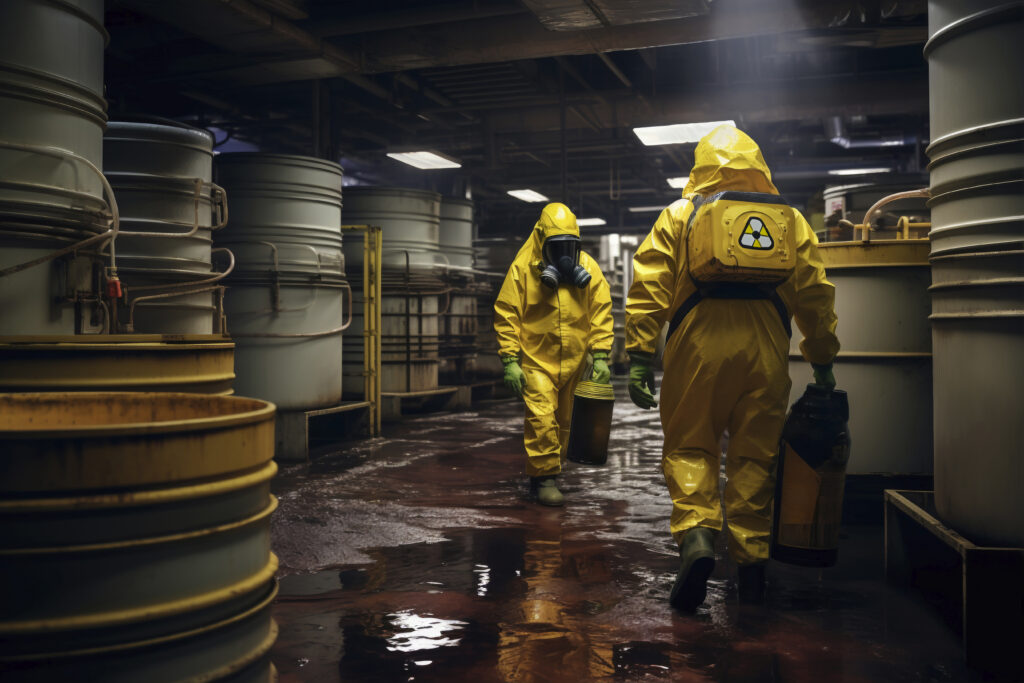
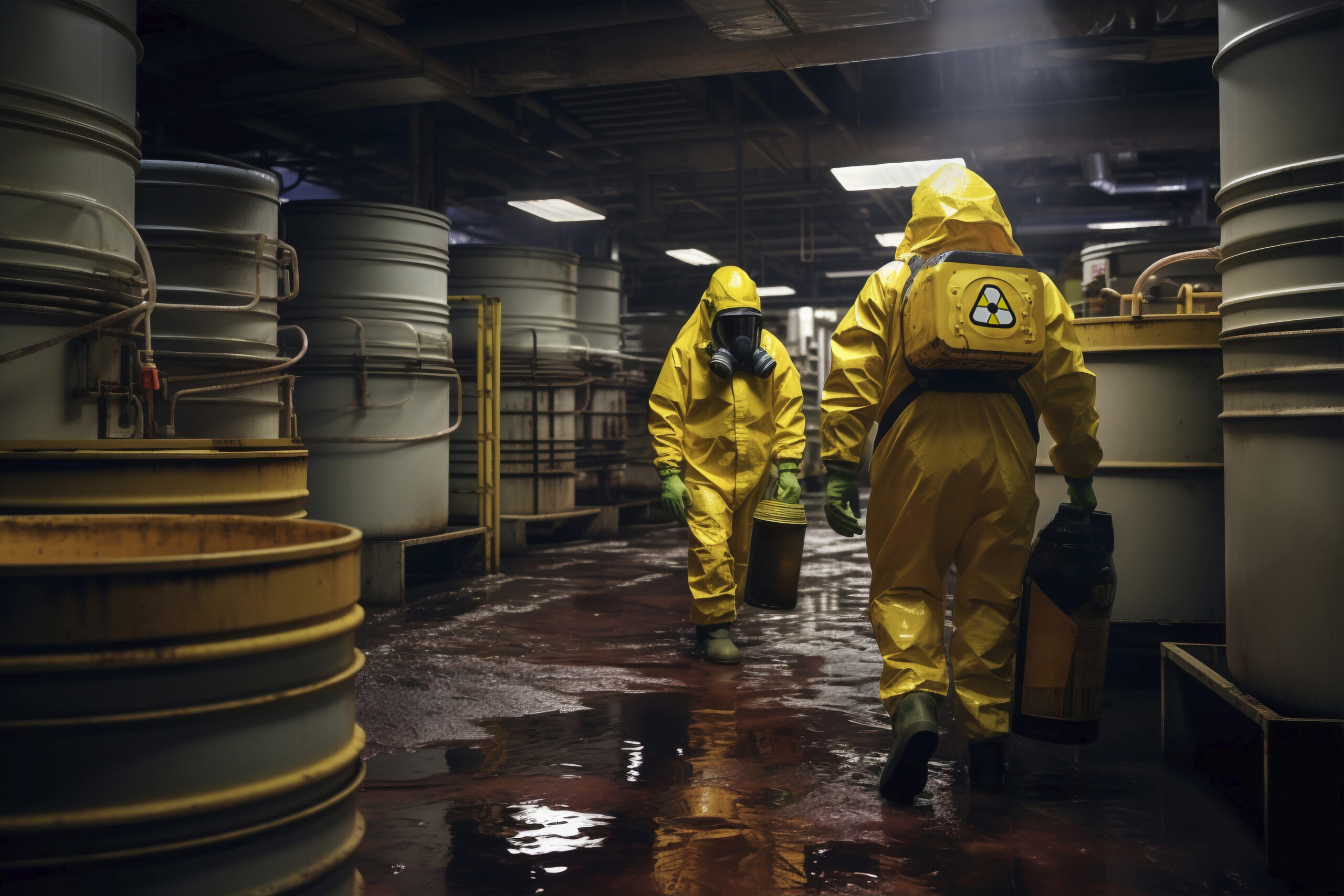
A chemical spill is an uncontrolled release of a chemical, whether in solid, liquid, or gaseous form. Chemical spills can occur in many settings, including industrial facilities, laboratories, and households. Chemical spills are of two categories: minor and major. Minor spills are less hazardous due to their small volume, whereas major spills are highly hazardous due to the toxic substances involved. The severity of chemical spills depends on several factors, including the spill location, the substance type and quantity, and the response.
In this blog post, we will write about how to search for the
Types of Chemical Spills
There are different types of chemical spills, based on the spill location and size.
By Type of Chemicals
Acid Spills: Acid spills contain acid; these spills are corrosive. It can cause burns and other injuries. It sometimes contains chemicals like hydrochloric acid, sulfuric acid, and nitric acid.
Base Spills: Base spills are also called alkalis, and these are also corrosive and can cause injuries. It includes ammonia spills and sodium hydroxide.
Organic Solvent Spills: These spills involve organic solvents that are combustible or flammable. It has side effects that can cause health effects, such as dizziness and unconsciousness. Examples are toluene, benzene, and acetone spills.
Oxidiser Spills: Oxidiser Spills can cause and enhance combustion. These include chlorine spills and hydrogen peroxide.
Toxic Chemical Spills: Toxic Chemical spills contain fatal or harmful chemicals, and if these chemicals are inhaled, absorbed, or ingested through the skin. Examples include lead, mercury, and arsenic spills.
By Location of Spill
Indoor Spills: Indoor spills can occur inside any building, such as a laboratory or a storage area.
Outdoor Spills: Outdoor spills can occur anywhere, including outdoor storage, transport, or other areas.
Indoor Spills: Indoor spills can occur inside the building, such as in a storage area or a laboratory.
Waterborne Spills: Waterborne spills can occur in the water environment, such as a lake, river, or ocean. For example, Spill oil from the ship.
By Size of the Spill
Minor Chemical Spill: By using absorbent materials and neutralizing agents, small spills can be safely managed and also train personnel.
Major Chemical Spill: Major chemical spills require professional assistance, such as the fire department or a hazmat team. Major spills require evacuating the area due to the accidental release of a large volume of hazardous material and a large oil spill.
What is a Spill Kit
A spill kit is a chemical spill cleanup kit. It is an important tool for managing waste disposal. Spill kits come in various types to aid in cleaning up a chemical leak or spill. There are different types of spill kits. A spill kit contains absorbent materials and containers or bins. To control spillage control it has containment booms. It also contains equipment to clean up spills, such as scoops, brooms, or shovels, Metal Drip Trays as well as gloves and PPE to safeguard workers.
Why are Spill Kits Important?
To minimise the impact of a spill, proper cleanup procedures and prompt containment are important. Spill clean-up is costly, but if the spill is cleaned up as soon as possible, the overall cost will be cheaper. Spill kits provide immediate clean-up to prevent the larger, costly issues that the Environment Agency could be involved in.
Chemical spill kits make sure the employees have a safe working environment. If the spills are not cleaned up perfectly, it leads to adverse environmental effects. These include:
- Large spills can cause risks to human health in the workplace and the local community. Inhaling fumes or coming into contact with the spill can cause serious injuries.
When the body gradually accumulates chemicals in the fluids and tissues due to exposure. Prolonged accumulation can cause harm to people and wildlife.
- The chemical spills can also contaminate the plants and crops; if the contaminated crops are consumed, it risks human health and wildlife.
- It pollutes the water sources. If the water gets contaminated from the chemical spill, it can cause severe, harmful effects on the health of human beings.
- It can also lead to damage to marine ecosystems. If the spilled chemicals are thrown into the water source, they will quickly reach the ocean. Once your spilled chemical reaches a water source, it can quickly reach the ocean. It can harm wildlife, with the effects becoming more widespread.
Conclusion
Safety comes first, as the chemicals are hazardous. The first thing you have to do is to stop the source of the spill. To prevent the accumulation of hazardous gases, use natural ventilation and remove ignition sources. Only do it if it is safe to do that. Use the spill kit and the Chemical Spill Tray; they are the best way to contain the spill. The important thing is to prevent the spill from entering the environment.