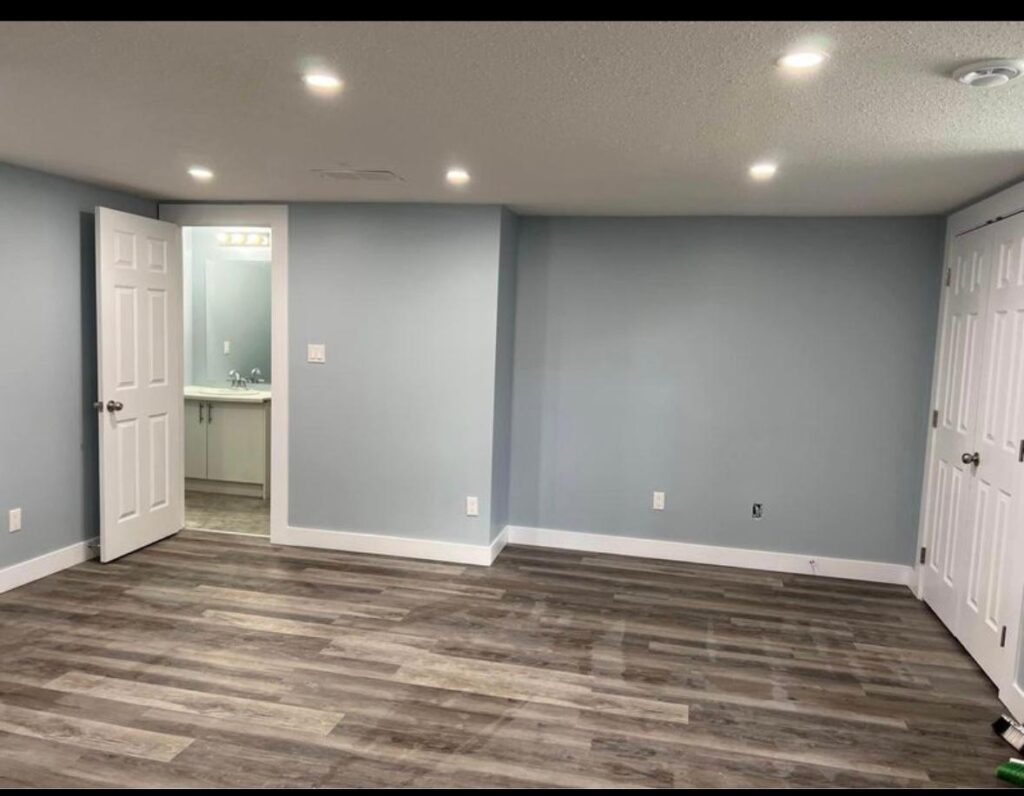
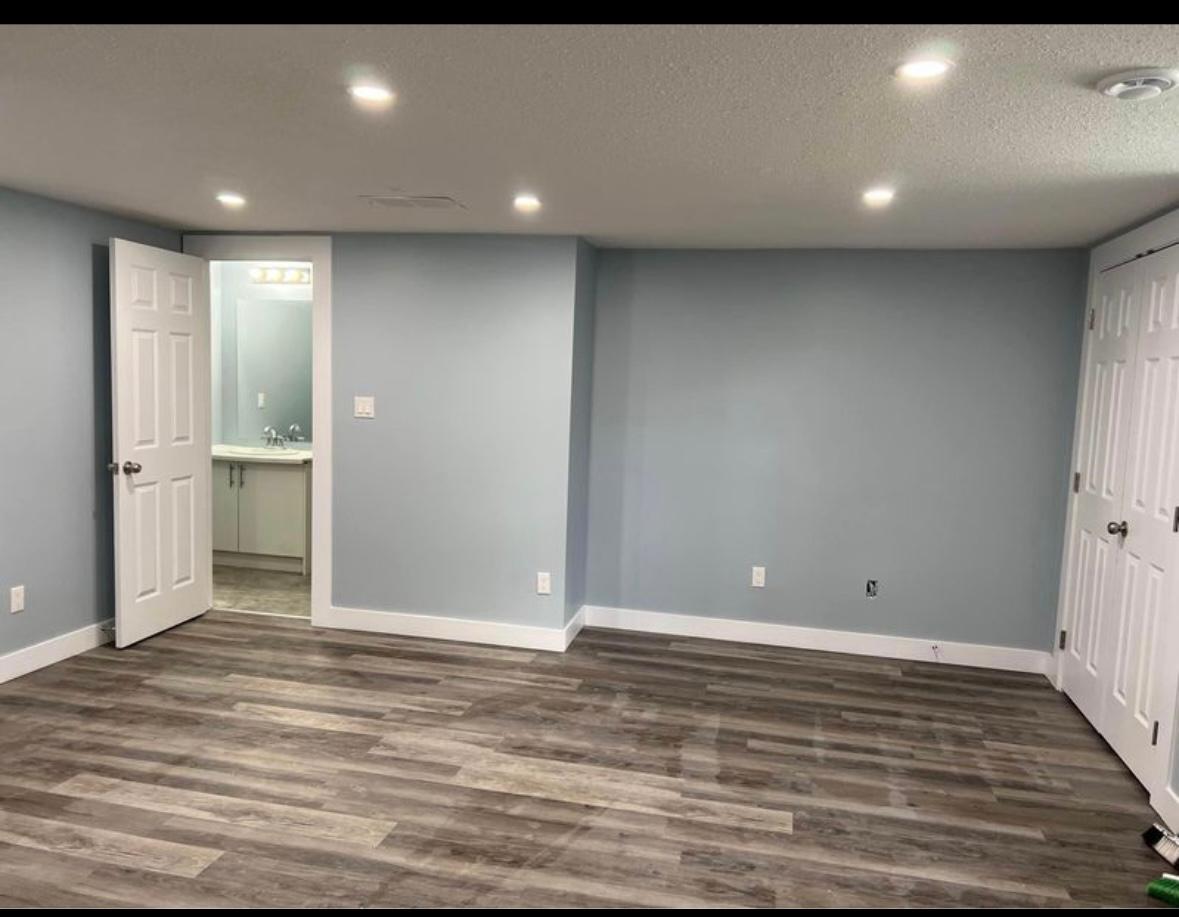
Flooring installation is one of the most important decisions in any renovation or new construction project. The right flooring doesn’t just affect how a space looks—it influences durability, comfort, maintenance, and long-term value. With so many materials and installation methods available today, homeowners and property managers often feel overwhelmed when trying to choose the best option.
This guide breaks down the main types of flooring installation, explains where each works best, and helps you make an informed decision based on real-world experience, not sales talk.
Why Flooring Installation Matters More Than You Think
Many people focus only on flooring material, but installation plays an equally critical role. Even premium flooring can fail if installed incorrectly. Proper flooring installation ensures:
- Long-lasting performance
- Resistance to moisture, movement, and wear
- A clean, professional finish
- Better resale value
Choosing the right installation method helps protect your investment and avoids costly repairs later.
Nail-Down Flooring Installation
Nail-down flooring installation is commonly used for solid hardwood floors. In this method, planks are nailed directly into a wooden subfloor.
Best For:
- Solid hardwood flooring
- Homes with plywood or wooden subfloors
- Living rooms, dining rooms, and bedrooms
Pros:
- Extremely durable and long-lasting
- Traditional and authentic feel
- Easy to repair individual boards
Cons:
- Not suitable for concrete subfloors
- Longer installation time
- Higher labor costs
Expert Tip: Nail-down flooring installation requires precise spacing and moisture control. Poor installation can cause squeaking or board movement over time.
Glue-Down Flooring Installation
Glue-down flooring installation uses strong adhesives to bond flooring directly to the subfloor. It’s popular for engineered hardwood, vinyl, and some laminate floors.
Best For:
- Concrete subfloors
- Engineered hardwood
- Commercial spaces and condos
Pros:
- Reduces noise and movement
- Works well over concrete
- Creates a stable, solid feel
Cons:
- Adhesive costs add up
- Removal can be difficult
- Requires a perfectly level subfloor
This flooring installation method is often chosen for multi-unit buildings because it helps limit sound transfer between floors.
Floating Flooring Installation
Floating flooring installation does not attach directly to the subfloor. Instead, planks lock together and “float” above it. This is common with laminate, luxury vinyl plank (LVP), and engineered flooring.
Best For:
- Laminate flooring
- Vinyl plank flooring
- DIY-friendly projects
Pros:
- Faster installation
- Cost-effective
- Easy to replace or remove
Cons:
- Less solid underfoot
- Can shift if not installed properly
- Requires expansion gaps
Floating flooring installation is ideal for basements and renovation projects where speed and flexibility matter.
Click-Lock Flooring Installation
Click-lock flooring installation is a subtype of floating installation. Planks snap together without glue or nails, creating a tight, seamless surface.
Best For:
- Vinyl plank flooring
- Engineered wood
- Quick renovations
Pros:
- Clean and efficient installation
- Minimal tools required
- Reduced labor time
Cons:
- Lower tolerance for uneven subfloors
- Quality varies by brand
This flooring installation option is popular with homeowners looking for modern finishes with minimal disruption.
Tile Flooring Installation
Tile flooring installation uses mortar and grout to set ceramic, porcelain, or stone tiles. Precision and experience are critical with this method.
Best For:
- Bathrooms
- Kitchens
- Entryways
Pros:
- Water-resistant and durable
- Easy to clean
- Excellent for high-traffic areas
Cons:
- Cold and hard underfoot
- Time-intensive installation
- Repairs can be complex
Professional flooring installation is strongly recommended for tile to avoid uneven surfaces and cracked grout.
Carpet Flooring Installation
Carpet flooring installation involves stretching carpet over padding and securing it along the edges. While less common in modern renovations, it remains popular for comfort-focused spaces.
Best For:
- Bedrooms
- Family rooms
- Offices
Pros:
- Warm and comfortable
- Sound-absorbing
- Affordable options available
Cons:
- Stains easily
- Shorter lifespan
- Requires regular maintenance
Correct flooring installation ensures the carpet stays tight and wrinkle-free over time.
How to Choose the Right Flooring Installation Method
Choosing the right flooring installation depends on more than aesthetics. Consider the following factors:
1. Subfloor Type
Concrete, plywood, or existing flooring will limit or expand your options. Some flooring installation methods simply won’t work on certain subfloors.
2. Moisture Levels
Basements and bathrooms need moisture-resistant materials and installation techniques.
3. Foot Traffic
High-traffic areas require durable flooring and secure installation methods.
4. Budget
Some flooring installation methods cost more upfront but save money long-term through durability.
5. Long-Term Use
Are you renovating to sell or planning to stay long-term? Your answer should guide your flooring installation choice.
Why Professional Flooring Installation Is Worth It
While DIY flooring installation may seem cost-effective, professional installation reduces risk and ensures compliance with manufacturer warranties. Experienced installers understand:
- Subfloor preparation
- Expansion gaps and transitions
- Moisture barriers
- Proper finishing techniques
Mistakes during flooring installation can lead to warping, gaps, or premature wear—issues that often cost more to fix than professional installation would have in the first place.
Final Thoughts
Flooring installation is not a one-size-fits-all decision. The right method depends on your space, lifestyle, budget, and long-term goals. Understanding the different types of flooring installation empowers you to make confident choices and avoid common pitfalls.
Whether you’re upgrading a single room or renovating an entire property, investing in the right flooring installation ensures your floors look great, perform well, and stand the test of time.