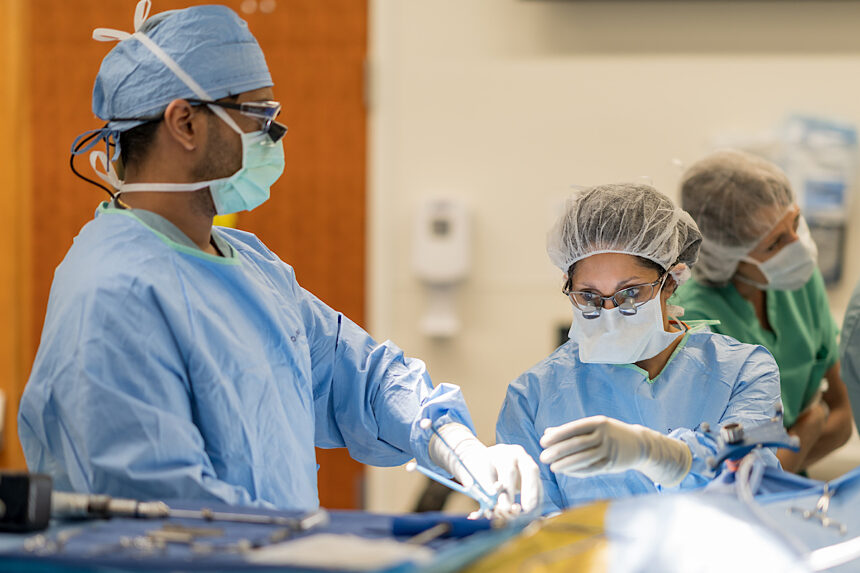
Brain tumor surgery is a major medical procedure that can feel overwhelming for patients and their families. When someone hears that surgery is needed on the brain, it is natural to feel anxious and full of questions. Understanding how the process works, why surgery is recommended, and what recovery looks like can help reduce fear and support better decision making.
Brain tumor surgery is performed to remove as much of the tumor as safely possible. In many cases, surgery also helps doctors confirm the exact type of tumor through a biopsy. This information is essential for planning further treatment such as radiation therapy or chemotherapy. The main goal is always to protect healthy brain tissue while treating the tumor effectively.
Why Brain Tumor Surgery Is Recommended
Doctors recommend brain tumor surgery for several important reasons. One of the most common is to relieve pressure inside the skull. Tumors can cause swelling and increased pressure, which may lead to headaches, seizures, vision problems, or weakness. Removing part or all of the tumor can help reduce these symptoms and improve quality of life.
Surgery is also used to diagnose the tumor. Even with advanced imaging, it is often necessary to examine tumor tissue under a microscope. This allows doctors to determine whether the tumor is benign or malignant and how aggressive it is.
In some cases, surgery can be curative, especially if the tumor is well defined and located in an area that is safe to access. For other patients, surgery may be part of a larger treatment plan rather than a complete solution.
Types of Brain Tumor Surgery
There are several types of brain tumor surgery, depending on the tumor’s size, location, and type. A craniotomy is the most common procedure. During a craniotomy, a surgeon temporarily removes a small section of the skull to access the brain and remove the tumor. The bone is replaced after the surgery is complete.
Another approach is minimally invasive or keyhole surgery. This uses smaller openings and specialized instruments. It may lead to shorter hospital stays and faster recovery for some patients.
In certain cases, awake brain surgery is recommended. The patient is awake for part of the procedure so the surgeon can monitor speech, movement, or other brain functions. This helps reduce the risk of damaging critical areas of the brain.
Preparing for Brain Tumor Surgery
Preparation is an important part of successful brain tumor surgery. Patients usually undergo detailed imaging such as MRI or CT scans to help surgeons plan the procedure. Blood tests and heart evaluations may also be done to ensure the body is ready for surgery.
Doctors will review medications and may ask patients to stop certain drugs before surgery. It is also helpful to arrange support at home for after discharge, as recovery can take time. Asking questions and understanding the plan can make patients feel more confident going into surgery.
Recovery and What to Expect
Recovery after brain tumor surgery varies from person to person. Most patients stay in the hospital for several days so doctors can monitor brain function, manage pain, and watch for complications. Swelling and fatigue are common in the early days after surgery.
Rehabilitation may be needed, especially if the tumor affected movement, speech, or memory. Physical therapy, speech therapy, and occupational therapy can all play a role in helping patients regain independence.
Follow up appointments are essential. Imaging scans are often scheduled to check for remaining tumor tissue or signs of recurrence. Additional treatments such as radiation or chemotherapy may also be recommended based on the final diagnosis.
Risks and Long Term Outlook
Like any major surgery, brain tumor surgery carries risks. These can include infection, bleeding, seizures, and changes in brain function. Your surgical team will discuss these risks in detail and explain how they work to reduce them.
The long term outlook depends on many factors, including tumor type, size, location, and overall health. Many patients go on to live full and meaningful lives after surgery, especially with proper follow up care and support.
Understanding brain tumor surgery empowers patients to take an active role in their care. Knowledge helps reduce fear and allows for better communication with the medical team.
Frequently Asked Questions
What is the main goal of brain tumor surgery?
The main goal is to remove as much of the tumor as safely possible while protecting healthy brain tissue and reducing symptoms.
How long does it take to recover from brain tumor surgery?
Initial recovery may take a few weeks, but full recovery can take several months depending on the individual and the extent of surgery.
Is brain tumor surgery always necessary?
Not always. Some small or slow growing tumors may be monitored or treated with other therapies, depending on the situation.
Will I need additional treatment after surgery?
Many patients need radiation therapy, chemotherapy, or both, depending on the tumor type and how much was removed.
Can brain tumor surgery affect memory or speech?
It can, especially if the tumor is near areas that control these functions. Rehabilitation therapy often helps improve these issues over time.