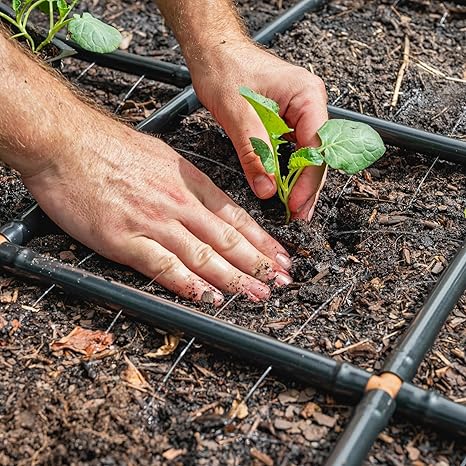
A healthy garden depends on water reaching every plant evenly. Uneven watering can lead to weak plants, dry spots, or water waste. A sprinkler kit can make irrigation simple and efficient. Understanding how its parts work together helps gardeners get consistent coverage. When combined with other garden kits, it supports more organized and productive spaces.
The Basics of a Sprinkler Kit
A sprinkler kit usually contains a sprinkler head, tubing, connectors, stakes, and sometimes a timer. Each component plays a role in delivering water evenly. The tubing brings water from the faucet to the plants. Connectors join sections of tubing or attach sprinklers at the right points. Stakes hold the sprinklers steady and at the right height. Timers control when and how long the water flows.
Sprinkler heads come in different styles. Some spray in a fixed pattern. Others rotate or oscillate to cover larger areas. Choosing the right type depends on the garden layout. Small gardens often benefit from a gentle spray that reaches only the planter edges. Larger gardens may require sprinklers with adjustable coverage to avoid dry patches.
How Components Work Together
All components of a sprinkler kit must work as a system. The tubing delivers water at the correct pressure. Sprinkler heads distribute that water evenly. Stakes keep sprinklers from tipping over or moving during operation. Connectors make sure there are no leaks or weak spots. A timer ensures water is delivered at the right time of day, which reduces evaporation and water waste.
When each part functions correctly, plants receive consistent moisture. This promotes healthy root development and stronger growth. If one component fails, water may pool in some areas and miss others, leading to uneven plant health.
Setting Up a Sprinkler System
Start by mapping the garden and identifying areas that need watering. Mark where each sprinkler head should go for full coverage. Use a garden planner if you have one, or draw a simple sketch. Attach tubing from the water source to each sprinkler head, using connectors to secure joints. Stake the sprinklers so they remain upright and stable.
Test the system before planting. Turn on the water and observe the spray pattern. Adjust the sprinklers to avoid water hitting walls, patios, or unused areas. Make sure all plants receive adequate coverage without excess runoff.
Advantages of Using Sprinkler Kits
- Consistent Watering – Plants receive the same amount of water in each section.
- Time Savings – Automating watering reduces daily effort.
- Flexibility – Sprinkler heads can be moved as plants grow or seasons change.
- Reduced Waste – Properly set systems use water efficiently.
Using a sprinkler kit in combination with other garden kits, such as drip irrigation or raised planter setups, allows gardeners to create a complete watering solution. These systems can work together to supply different plants based on their needs.
Common Mistakes to Avoid
Some gardeners make simple mistakes that reduce effectiveness:
- Placing sprinklers too far apart, leaving dry spots.
- Running water at too high pressure, causing runoff.
- Forgetting to secure connections, leading to leaks.
- Not adjusting sprinklers as plants grow, creating uneven coverage.
Correct setup and regular checks prevent these problems.
Real-Life Example
Consider a small vegetable garden. The gardener sets up a sprinkler kit with tubing running between raised planter beds. Sprinkler heads spray in overlapping patterns to cover every bed evenly. Stakes keep them upright even when the wind blows. Connectors prevent leaks at each joint. Using a timer, watering occurs early in the morning when evaporation is low. The vegetables grow evenly, and the gardener spends less time moving hoses or hand watering.
Maximizing System Efficiency
Maintaining a sprinkler system improves longevity. Flush the lines occasionally to remove debris. Check for clogged heads. Replace worn connectors or stakes as needed. Adjust spray patterns seasonally to account for plant growth or weather changes. Combining a sprinkler kit with other garden kits ensures that every plant receives consistent care without overwatering.
A sprinkler kit helps gardeners manage water effectively. Its components must work together to deliver even coverage, conserve water, and support healthy plant growth. Paired with other garden kits, it creates a complete, efficient system that saves time and effort while promoting a thriving garden. Understanding each part ensures the garden receives the right amount of water at the right time.