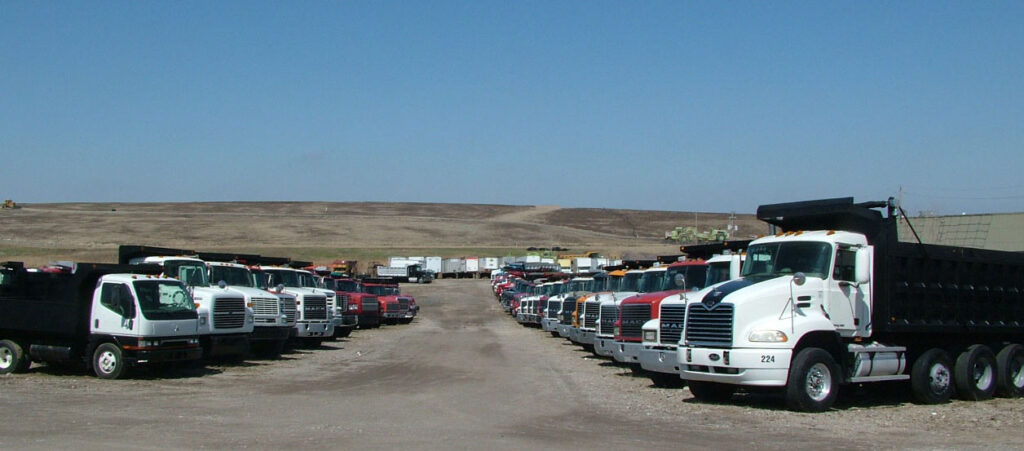
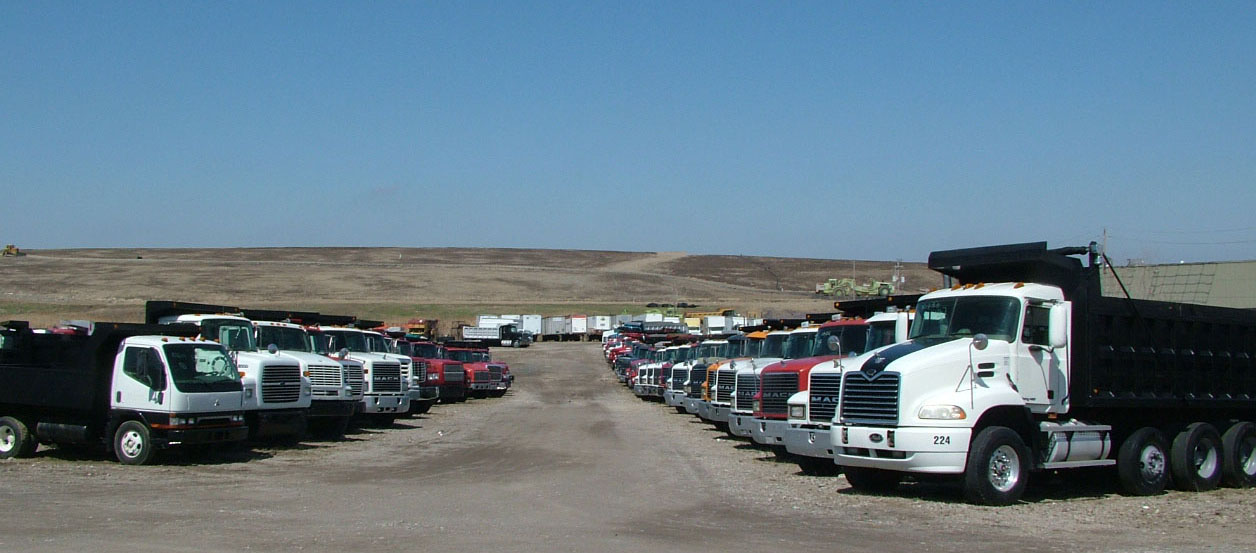
Across Australia, thousands of vehicles reach a stage where they can no longer run on the road. Many people view these cars as waste or trouble, yet their stories do not end once the engine stops. A junk car often holds parts, metals and materials that serve new roles in local areas. These worn vehicles play quiet but important roles in community projects, charity programs and new methods of reuse. Their influence spreads far wider than most people expect.
How Junk Cars Create Practical Support for Local Areas
When a junk car leaves someone’s yard or driveway, its journey often supports a range of community needs. Many cars that appear worthless still contain metals that can be reused. Steel, aluminium, copper and other materials hold strong resale value in the recycling market. Australian scrap metal reports show that steel recycling saves large amounts of energy compared with producing new steel from raw ore. This process lowers pressure on mining activity and reduces landfill load, which helps keep local environments safer and cleaner. https://ezycarwreckers.com.au/
Local workshops and collection centres often use the parts from junk cars to repair older vehicles still in use. Doors, mirrors, panels, alternators, radiators and wheels often remain in sound condition even when the rest of the car has worn down. These parts keep many rural and suburban cars running, especially in places where owners hold on to older models. This cycle helps reduce waste and supports practical community needs, since people can access parts that match vehicles no longer sold new.
Employment and Skill Growth Through Vehicle Recycling
The recycling of junk cars creates a steady stream of work across many regions in Australia. People work in dismantling yards, metal sorting sites, transport roles and administrative positions. Each job contributes to a wider system that keeps thousands of cars from causing environmental harm.
Dismantling requires skill, care and knowledge of how each component fits within the structure of a vehicle. Workers learn how to break down complex machines, identify metals accurately and handle fluids in a safe way. These skills transfer into other trades, including mechanical work, environmental management and transport operations. In this way, junk cars support long-term skill growth that feeds back into the community.
The Quiet Support Junk Cars Provide to Charity Programs
Many charities across Australia receive support through donated junk cars. Even when a vehicle can no longer run, organisations can pass the car to recycling partners who turn its materials into funds. These funds help support programs such as food distribution, youth training, shelter support or medical outreach.
Facts from charity car donation programs show that metal from a single small car can raise enough money to support food parcels, training materials or short-term community care. Larger vehicles, including vans and utes, often produce higher metal returns, which increases the support flowing into the program. This creates a long chain of positive activity that begins with a single old vehicle and ends with direct support for people in need.
Creative Reuse and New Thinking Inspired by Junk Cars
Across rural and urban areas, junk cars have inspired many creative projects. Metal artists, students, teachers and community groups often use parts from old vehicles to build sculptures, learning tools and public displays. Panels, wheels and frames become strong materials for art projects or garden structures.
In technology-focused programs, young students use wiring, sensors and small components from junk cars to understand basic electronics. This hands-on learning approach helps students build confidence and learn how mechanical and electrical systems work in real objects.
Some university projects have also studied the strength of recycled automotive metals compared with newly sourced materials. These studies help scientists and engineers find better ways to reuse metal without losing structural integrity. Junk cars play an important role in these studies because they provide real-world samples that reflect long-term weather exposure, corrosion levels and metal fatigue.
How Junk Cars Support Cleaner Land and Safer Communities
When junk cars sit for long periods in paddocks, driveways or bush areas, they can leak oil, coolant and other fluids. These leaks can harm soil, waterways and wildlife. Removing old vehicles helps reduce these hazards.
Many councils notice that once junk cars leave an area, illegal dumping often reduces. This happens because junk vehicles sometimes attract litter, glass and waste around them. When the old car is removed, the space becomes cleaner and less appealing for dumping activity. Community groups often take pride in these improvements, as clean spaces encourage outdoor activity, walking paths and safer play areas for children.
The Role of Local Services and the Cycle of Recovery
The work of removing junk cars connects naturally with services that break down vehicles responsibly. Ezy Car Wreckers plays a part in this cycle by collecting worn vehicles and sorting their parts for reuse or recycling. This helps owners who may not have space to hold an old car, and it also ensures that metals return to productive use. People who search for help with larger vehicles, such as those looking for Trucks Wreckers Adelaide, often want safe disposal without leaving harmful waste behind. Services in this sector form an important bridge between community needs and environmental care, allowing old vehicles to move from decay to recovery.
Junk Cars in Regional and Rural Australia
Many rural towns hold long histories of vehicles kept on farms or blocks of land. These cars sometimes sit untouched for decades. They become landmarks on properties, yet they may also create risks if left to break down in exposed conditions.
Removing old vehicles from rural blocks helps the land breathe again. Farmers often appreciate the extra space for storage, equipment or livestock. In many cases, the metal from a single rural junk car can contribute a noticeable amount to recycling centres, especially when the vehicle is larger or older with strong steel frames.
Regional councils often run clean-up programs where residents bring forward old vehicles for disposal. These programs aim to support safe handling of waste and reduce environmental harm. Junk cars form a significant portion of these collections because they cannot be placed with standard rubbish and require proper dismantling.
Junk Cars as Teaching Tools for Road Safety and Mechanical Knowledge
Tafe students, apprentices and community education groups often rely on junk cars for training. An inactive vehicle provides a safe environment for learners to understand engine layout, brake systems, suspension parts and electrical features without the pressure of damaging a running car.
Some road safety programs also use junk cars to demonstrate the effects of collisions. These displays help young drivers understand the impact forces involved in crashes. By studying crushed frames, students learn about the importance of seatbelts, correct tyre care and proper maintenance.
The Way Junk Cars Encourage Thought About Waste and Responsibility
The presence of junk cars in yards or paddocks often starts conversations about waste and long-term responsibility. People begin to ask how many vehicles reach the end of their life each year and what happens to them. According to recycling data from national waste studies, Australia processes hundreds of thousands of abandoned or retired vehicles each year. This volume highlights the need for organised systems that manage materials safely.
The awareness created by these discussions helps families think about the full life cycle of the vehicles they drive. This includes choices around maintenance, resale, recycling and disposal. Many people feel more prepared to handle old vehicles in a way that protects land, water and wildlife.
The Future Role of Junk Cars in a Changing Australia
With new technology shaping modern transport, the number of older vehicles will continue to rise. Electric vehicles, hybrid models and lighter materials will change the recycling landscape. Junk cars will remain important in testing future processes for battery recovery, metal sorting and safe dismantling.
The shift toward a circular economy means that old vehicles will not simply be waste. They will become material sources for new products, training tools for future workers and inspiration for research. Junk cars that sit in driveways today may shape methods used by young engineers tomorrow.
Closing Thoughts
Junk cars may appear forgotten, yet they hold strong roles in community life. They support charities, help workers build skills, reduce environmental pressure and inspire new ways of thinking. Each vehicle, once active on the road, finds a final stage that still serves people and the land. These unlikely heroes show that even at the end of their driving life, they continue to shape local areas and provide quiet but meaningful support across Australia.