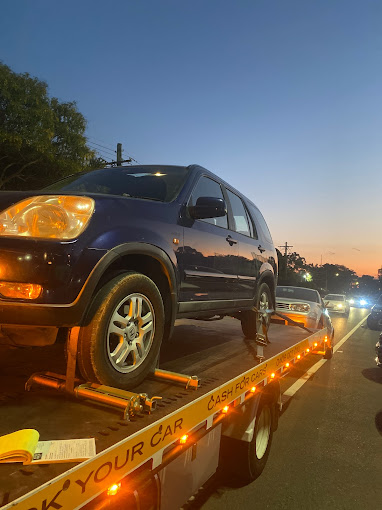
Scrap and damaged car disposal is an important part of the vehicle lifecycle in Australia. Many car owners reach a stage where a vehicle can no longer run or repair costs are higher than the car’s overall worth. In these situations, responsible disposal is the most practical choice. Australia records thousands of end-of-life vehicles each year, and many of these need safe handling due to steel, fluids, rubber, and electrical parts that require proper treatment. When owners understand how the process works, they handle their vehicles with more confidence and avoid practices that can harm the environment.
We explains how scrap and damaged car disposal works, why safe handling is important, what owners should know before disposal, and how we pick up your car for cash deals with the full process. Every step is explained in plain Australian English so the information stays clear for all readers.
What Scrap and Damaged Car Disposal Means
Scrap and damaged car disposal refers to the method of taking a vehicle that can no longer be used on the road and removing it from service. A vehicle may fall into this category due to collisions, age, mechanical wear, flooding, or failing major systems such as the engine or gearbox. When a car reaches this point, it is no longer safe or practical to keep it running.
In Australia, councils and industry guidelines set rules for the handling of end-of-life vehicles. These rules help reduce environmental harm and support the reuse of metal and other parts. The steel in one car alone can be reused many times, which supports the national recycling sector. Because of this, scrap car disposal is now a major part of the metal recovery industry across New South Wales.
How Scrap and Damaged Cars Are Assessed
Before a car is taken for disposal, it is usually assessed to determine its overall condition. An assessor looks for the following:
Body condition
This covers damage on panels, chassis alignment, and overall structural strength.
Mechanical condition
This includes the state of the engine, transmission, suspension system, and brakes.
Electrical and interior condition
The battery, wiring, seats, dashboard, and interior structure are examined.
Vehicle age and history
Older cars or vehicles with long repair histories are often placed straight into scrap disposal.
This assessment helps decide whether any parts can be reused or whether the whole vehicle will move to dismantling and metal recovery. Cars that have been in heavy accidents or floods usually go straight to dismantling because many systems cannot be reused safely.
Why Proper Disposal Matters
Safe and lawful disposal is important for several reasons:
Environmental Protection
A vehicle holds fluids such as petrol, oil, coolant, brake fluid, and transmission fluid. If these enter the ground, they can contaminate soil and water. Proper disposal ensures every fluid is drained and stored in approved containers.
Metal Recovery
The steel from one car can be recycled into construction materials, new car parts, and household items. This reduces the need for new raw materials and supports the national recycling network.
Safe Handling of Hazardous Parts
Tyres, batteries, airbags, and electrical parts need special handling due to chemicals and pressure systems inside them. Trained workers remove these parts with the right equipment to prevent accidents.
Clearing Space at Home
Many people keep old or damaged cars on their property for months or even years. Over time, this can attract pests, cause rust spread, and reduce usable space. Disposal clears the area and removes safety risks.
Steps Involved in the Disposal Process
The disposal journey usually follows a clear sequence. These steps apply to most scrap vehicles handled in New South Wales.
Booking the Service
Vehicle owners contact a disposal service to arrange removal. Details such as location, car model, age, and condition are shared. This information helps the team prepare the right tow truck and equipment.
Identification Check
The vehicle’s registration, license details, and ownership documents are required. This prevents issues related to abandoned or stolen vehicles.
Vehicle Removal
Tow trucks remove the car from the property. The method depends on whether the vehicle can roll, steer, or move. Some cars require winching due to heavy damage or missing wheels.
Dismantling and Sorting
At the yard, the vehicle moves through stages:
- Fluid draining
- Battery removal
- Tire removal
- Dismantling of panels
- Sorting of metal types
- Storing reusable parts
Every step must follow environmental and safety rules.
Metal Processing
The remaining metal body is crushed or shredded. This material goes to metal recycling plants where it is melted and formed into new products. Australia’s metal recycling industry plays a major role in reducing landfill waste.
Important Facts About Scrap Car Disposal in Australia
Here are several factual points about the disposal sector:
- Australia generates more than half a million end-of-life vehicles every year.
- Steel recovery from cars reduces the demand for mining raw iron ore.
- Around 85 percent of the material in a modern car can be reused or recycled.
- New South Wales has strict rules under environmental guidelines to manage vehicle fluids and parts safely.
- Car batteries are recycled at a high rate due to the lead content, which can be reused many times.
- Recovered tyres are used in construction and road surfacing projects.
These facts show how important proper disposal is for both the environment and industry.
How We Pick Your Car Handles Scrap and Damaged Cars
We Pick Your Car follows a clear method when taking in end-of-life vehicles. The team focuses on safe handling, lawful processing, and clean dismantling. Every vehicle is removed with proper tools, and the yard follows the required handling rules for all fluids and metal types. The aim is to support responsible recycling while also helping owners remove unwanted vehicles from their property.
The process is designed to keep things easy to understand for owners. All steps are explained, documents are checked, and vehicles are taken with care. This method ensures old and damaged cars do not end up abandoned or left to cause environmental harm.
Owners who have cars that can no longer be used and need proper dismantling often look for a service that can handle the full process with care. In such cases, car wreckers Sydney nsw can support owners by removing vehicles and processing them under approved handling rules. A service like this can be found at We Pick your Car, where the focus is on responsible treatment of scrap and damaged vehicles in a way that aligns with local guidelines.
How Owners Can Prepare Their Cars Before Disposal
There are a few small steps owners can take before handing over their cars:
Remove Personal Items
Old cars often hold documents, tools, clothing, or small belongings. It is important to check under the seats, in the boot, and inside the glove box.
Clear Vehicle Registration
If the vehicle still has active registration, the owner must cancel it with the local transport authority. Plates are usually handed in during this step.
Inform the Insurance Company
If the car still has coverage, the owner should notify the insurer that the vehicle will be removed permanently.
Keep ID Handy
Some form of proof of ownership is needed. This may include a licence, registration papers, or a bill of sale.
Taking these steps keeps the disposal process smooth and avoids delays.
Common Types of Cars Sent for Disposal
Across New South Wales, several categories make up the bulk of scrap cars:
- Cars involved in heavy collisions
- Flood-damaged vehicles
- Cars with blown engines or gearboxes
- Very old vehicles with rust issues
- Cars that have failed major inspections
- Vehicles that have been unused for many years
Each type has its own handling method, but all go through the same recycling pathway.
Environmental Gains From Proper Disposal
Proper disposal reduces landfill waste and steers harmful materials away from the environment. Recovered steel supports new industries, while safe fluid removal lowers the risk of soil and water pollution. Tires are reused in construction projects, and batteries are recycled into new units. This cycle helps Australia move toward more responsible material use.
Conclusion
Scrap and damaged car disposal is an important part of responsible vehicle ownership in Australia. Every end-of-life car needs safe handling, lawful processing, and proper recycling. We Pick Your Car supports this process with a clear and organized approach that protects the environment and helps owners remove unwanted vehicles with confidence.
Understanding these steps gives car owners the knowledge they need to deal with their old vehicles in a responsible way. When vehicles are handled correctly, the recycling network grows stronger, waste reduces, and communities stay clean.