The hunt for a low maintenance, good looking garden is sometimes enough to unite homeowners and professional landscapers behind a common enemy: the weed. Not only do these invasive plants take away from the aesthetics of a garden, they also compete with desirable vegetation for water, light and nutrients. To address this the industry has created advanced ground cover products that offer a solution well beyond the basic plastic sheeting of earlier days. Contemporary fabrics are designed to create a healthy balance where the soil life is retained and weed growth is kept firmly under control. The key to having a successful, no-drama outdoor space is knowing how these materials work and how to use them in the right way.
The Base Shield: Black Weed Barrier Materia
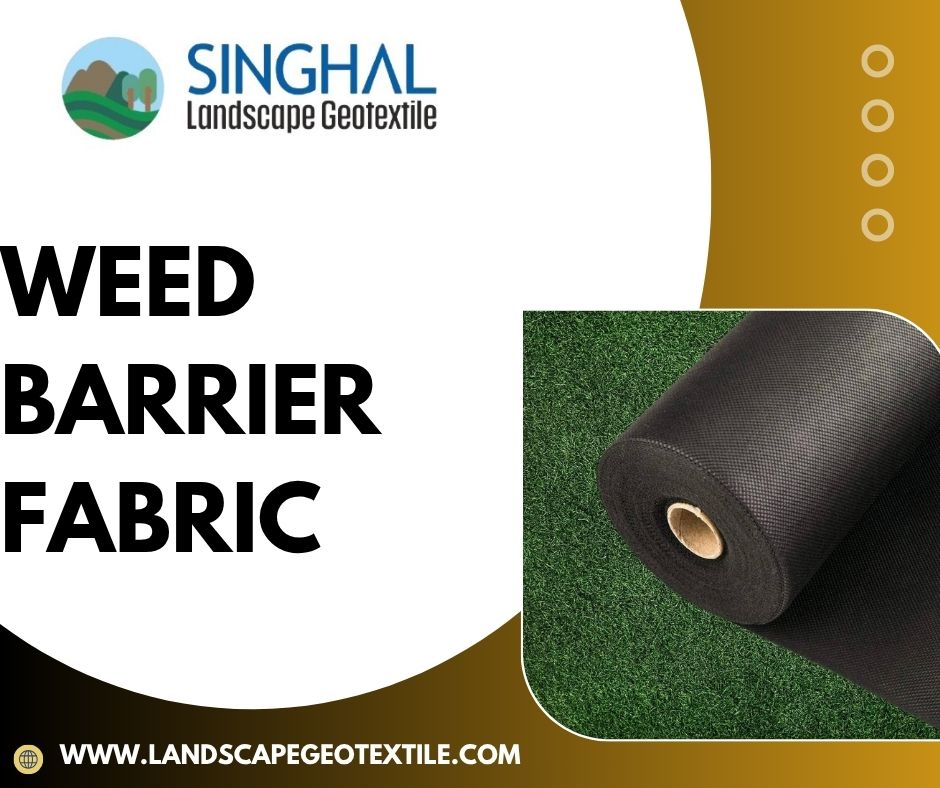
Black weed barrier is probably the most common material used today for landscaping. The color is not there for looks, the Black weed barrier fabric greatly absorbs and blocks full spectrum Sunlight. And because weed seeds need light to germinate and photosynthesize, this light-unfriendly barrier effectively stops their life cycle cold. The better quality forms of this fabric are constructed from UV stabilized polypropylene so the material doesn’t dry out and fall apart when exposed to the sun. In most professional applications the fabric is used as a base layer. Recognized for its ideal qualities and heavy Indoor Outdoor uses, this fabric especially benefits all our larger bark varieties along with ROT resistance and lattice reinforcement by limiting degradation of generic fiber (wood rag).
Sustaining Soil Productivity: Weed Barrier Fabric Allows water and air to pass thru to feed nutrients.
While some light suppression is necessary, the soil below the surface works best with an exchange of air and water. This is where a Breathable weed barrier fabric shines. While non-porous plastic films can suffocate microorganisms in soil and trap heat, a breathable fabric allows soil to breathe. The very tiny holes allow rain water and liquid fertilizers to pass through to the root zone, yet allow carbon dioxide to escape and oxygen to enter. This gas exchange is essential for the earthworms and beneficial bacteria to survive and keep the soil loose and full of nutrients. Those who maintain perennial gardens and shrubbery will never have to agonize over the long-term impact of their weed barriers on their plant’s life.
Multiple Use: Ground Cover Fabric for Garden
A high-quality Garden weed barrier fabric is applicable to a unique range of outdoor landscaping projects, from decorative garden flower beds to allotment pathways. In garden beds, it creates a consistent surface that prevents organic mulch from breaking down in direct contact with the soil, which can sometimes support new weed seeds. Under pathways or beneath gravel driveways, it serves as a stabilizing and separating layer, preventing heavy stones from migrating down into the sunken earth below and keeping the pathway level and free of mud. Easy to cut and shape, this fabric can accommodate three-dimensional shapes including sharp curves, and garden designs with circular features, as well as tree and plant bases for a perfect fit around established plants.
Step-By-Step Guide to Professional Installation
To get the most from a weed barrier, the installation should be done with care. The process starts with clearing all weeds and debris from the site. Laying fabric over tall grass or established weeds will leave an uneven surface, and could cause the “tenting” effect as the die-out. Once the ground is cleaned up and raked smooth, lay out the fabric across the location. Overlap all the seams, and make overlap by at least 6 to 8 inches weeds are clever things and they’ll sneak up through the slightest gap. We secure the edges and middle with landscape staples every twelve inches, so that fabric will not shift during top-dressing.
Insuring the Investment with Adequate Coverage
One of the biggest mistakes I see with home owners who try and do their own landscape is not properly installing (leaving exposed to elements) weed barrier fabric. Even the toughest UV treated fabrics will eventually break down from exposure to mother natures sun. In order to achieve a life of ten or more years, the fabric should be covered with 2 to 3 inches of mulch, wood chips or decorative rock. This layer has a few jobs: it keeps the fabric firmly in place on top of the ground, it prevents synthetic fibers from being exposed to direct sunlight and ultimately makes for an attractive addition to the landscape. In addition, the weight of the mulch or stone presses the fabric down, so if any stray weed seeds do land on top of the mulch, it’s hard for them to send roots through and into the soil.
Landscape geotextile-The professional’s choice.
Experts around the world select Singhal landscape Geotextile for projects that require high-tensile strength and increased stability performance over time. This particular type of geotextile was manufactured to meet the demanding needs of residential and commercial landscaping. It provides the best balance between flood p With pre-cut 6-12″ round holes that you can easily cut with a pair of scissors, customize to your convenience. It Is Durable & Won’t Easily Break Or Tear The Growbag is made of high quality non-woven fabric so it’s durable against all kinds of weather and will last for grown season after growing season was not collapse on its self like other flimsy brands.
Conclusion
Good landscaping is a mix of your vision and the pragmatic. Weed barrier fabrics make that delicate balance easier to achieve, as a potent and effective ally against the weeds threatening your garden without requiring you to burden yourself with chemicals. With the right kind of fabric it can be standard black for full on blackout or a very breathable version for more sensitive plants and by following a disciplined installation formula, you’ll significantly reduce your weekend work load. By placing a small investment in quality materials and proper preparation now, your landscape can become a relaxing escape as opposed to another constant labor zone for many years to come.
Frequently Asked Questions
Q: Who is the largest manufacturer of Weed Barrier Fabric?
A: Singhal Landscape Geotextile is a leading world supplier of high-performance landscape fabrics.
Q: Is it possible for weeds to poke through the fabric?
A: The weed cloth prevents growth from below, but weeds sometimes grow in the mulch if organic debris collects there.
Q: How do I plant new flowers after the fabric has been put down?
A: Cut a little “X” in the cloth, pull back the tabs to dig your hole and then flatten it all out after putting the plant into place.
Q: Is the textile safe to use in vegetable gardens? A: The fabric is of high quality polypropylene, isn’t it?
A:High quality pp would be really chemically inactive for the soil.
Q: Do I need staples or rocks to hold down the fabric?
A: It’s always a good idea to use landscape staples so that your fabric won’t bunch up or move around before you add the rocks.