Hormones play a powerful role in a woman’s overall health, influencing everything from mood and metabolism to menstrual cycles and sleep patterns. When these chemical messengers fall out of balance, the body often sends clear signals. Understanding hormonal imbalance symptoms in females can help women recognize early changes, seek appropriate care, and restore wellness naturally and safely. At Align Health and Menopause, we believe education is the first step toward empowered health decisions, especially during transitional life stages such as perimenopause and menopause.
How Do Hormones Affect a Woman’s Body Throughout Different Life Stages?
From puberty to post menopause, hormone levels naturally fluctuate. Estrogen, progesterone, testosterone, thyroid hormones, cortisol, and insulin all work together to regulate bodily functions. During puberty, rising estrogen levels trigger breast development and the onset of menstruation. In reproductive years, hormonal shifts occur monthly to support ovulation and pregnancy potential. Later, during perimenopause and menopause, estrogen and progesterone decline, leading to noticeable physical and emotional changes.
Because hormones act as a communication network between organs, even slight disruptions can produce symptoms that impact daily life. These changes may be temporary or may signal a deeper imbalance requiring medical evaluation.
What Are the Most Common Hormonal Imbalance Symptoms in Females?
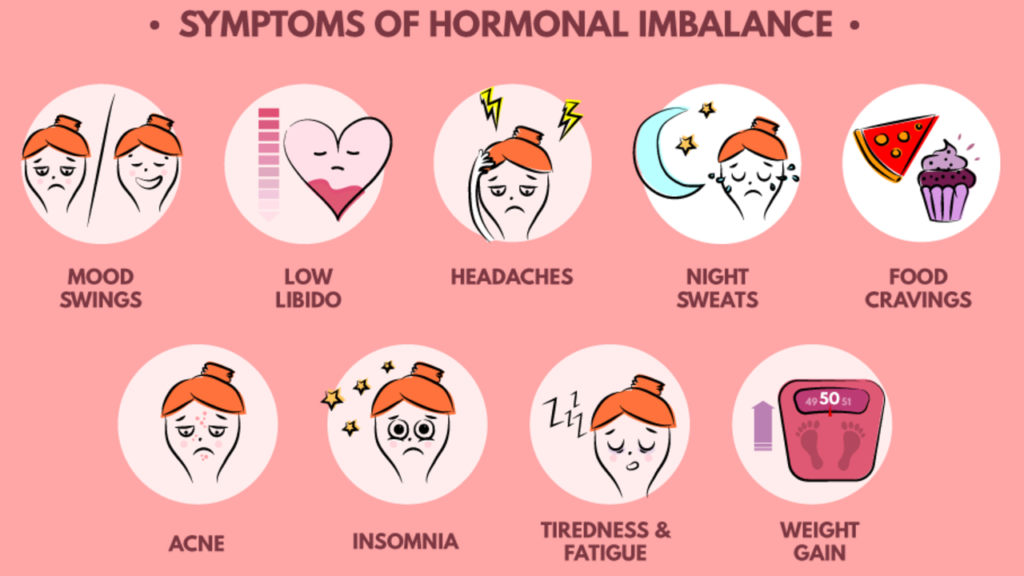
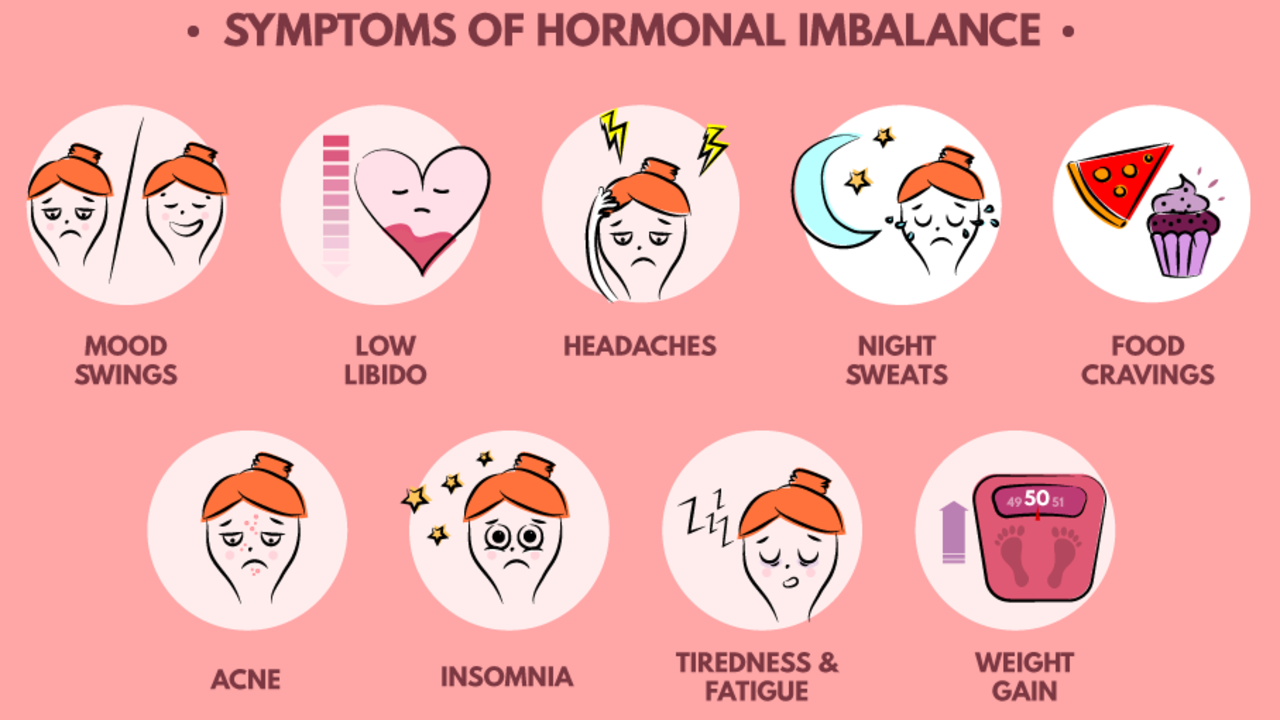
Women experiencing hormonal imbalance symptoms in females often report irregular menstrual cycles, mood swings, fatigue, and unexpected weight gain. Periods may become heavier, lighter, shorter, or longer than usual. Some women wonder, why is my menstrual cycle getting longer, especially when cycles that were once predictable start stretching beyond 35 days. This can be linked to ovulatory dysfunction, thyroid issues, polycystic ovary syndrome, or the hormonal shifts of perimenopause.
Other common signs include acne that appears in adulthood, hair thinning, night sweats, sleep disturbances, low libido, and difficulty concentrating. Digestive changes and sugar cravings may also indicate insulin imbalance. Since symptoms overlap with other health conditions, proper evaluation is essential before assuming a hormonal cause.
Why Is My Menstrual Cycle Getting Longer and What Does It Mean?
When women ask why is my menstrual cycle getting longer, it often reflects changes in ovulation timing. A longer cycle usually means ovulation is delayed. This can occur during times of stress, significant weight changes, thyroid dysfunction, or early perimenopause. As estrogen and progesterone fluctuate, the body may take longer to release an egg, extending the cycle length.
Persistent cycle irregularity should not be ignored. It may signal conditions such as PCOS or thyroid imbalance. Tracking cycles over several months provides valuable insight for healthcare providers and helps determine whether the changes are temporary or part of a broader hormonal transition.
Does Menopause Cause Weight Gain or Is It Something Else?
One of the most frequently asked questions is Does menopause cause weight gain. The answer is complex. While aging naturally slows metabolism, declining estrogen levels also influence fat distribution. Many women notice increased abdominal fat during menopause, even if their diet and exercise habits remain unchanged.
Estrogen helps regulate body fat storage and insulin sensitivity. When estrogen declines, the body may store more fat around the midsection. Sleep disturbances and higher cortisol levels can further contribute to weight changes. Understanding this connection helps women adopt realistic lifestyle adjustments rather than blaming themselves for natural biological shifts.
Can Mood Changes and Anxiety Be Linked to Hormone Fluctuations?
Hormones significantly affect neurotransmitters such as serotonin and dopamine. When estrogen drops, mood stability may suffer. Women may experience irritability, anxiety, or depressive symptoms. These emotional shifts are often among the earliest hormonal imbalance symptoms in females, particularly during perimenopause.
Progesterone has calming effects on the brain. Lower progesterone levels can contribute to sleep difficulties and heightened stress responses. Identifying the hormonal root of mood symptoms allows for more targeted treatment options, whether through lifestyle changes, therapy, or medical intervention.
How Does Hormonal Acne Develop in Adulthood?
Adult acne can be frustrating, especially for women who did not struggle with it during adolescence. Hormonal acne often appears along the jawline and chin and may worsen before menstruation. Elevated androgens stimulate oil production in the skin, clogging pores and causing inflammation.
Addressing insulin resistance, improving diet quality, reducing stress, and balancing hormones through medical care can significantly reduce breakouts. Topical treatments alone may not resolve acne if the underlying cause is hormonal imbalance.
What Role Does Thyroid Health Play in Hormone Balance?
The thyroid gland regulates metabolism, temperature, and energy production. Hypothyroidism may cause fatigue, weight gain, dry skin, and depression. Hyperthyroidism can lead to anxiety, weight loss, and rapid heartbeat. Because thyroid hormones interact closely with estrogen and progesterone, thyroid dysfunction can mimic hormonal imbalance symptoms in females.
Routine blood testing helps determine whether symptoms stem from ovarian hormones, thyroid imbalance, or both. Comprehensive care addresses the full endocrine system rather than focusing on a single hormone.
Are Natural Remedies Effective for Hormone Support?
Many women explore natural hormone replacement for menopause as an alternative or complement to conventional treatment. Lifestyle interventions such as balanced nutrition, regular strength training, stress management, and quality sleep form the foundation of hormone health. Phytoestrogens found in flaxseeds and soy may provide mild estrogen support. Adaptogenic herbs may help regulate stress hormones.
Trending approaches like the pink salt recipe for weight loss often circulate online, claiming to boost metabolism or balance cortisol. While proper mineral intake supports overall health, no single ingredient can correct significant hormonal imbalances. Sustainable weight management depends on nutrition quality, caloric balance, muscle mass, and metabolic health rather than quick fixes.
When Is Hormone Therapy for Menopause Appropriate?
Hormone therapy for menopause remains one of the most effective treatments for moderate to severe menopausal symptoms. It can relieve hot flashes, night sweats, vaginal dryness, and bone density loss. For many women, carefully monitored therapy improves quality of life significantly.
The decision to start treatment depends on age, medical history, symptom severity, and personal preference. At Align Health and Menopause, individualized care ensures that risks and benefits are thoroughly discussed. Modern hormone therapy is often delivered in lower, safer doses compared to older formulations, making it a viable option for many healthy women under medical supervision.
How Does Insulin Resistance Contribute to Hormone Disruption?
Insulin resistance occurs when cells become less responsive to insulin, leading to elevated blood sugar levels. This condition can stimulate excess androgen production, particularly in women with PCOS. Symptoms may include stubborn weight gain, sugar cravings, fatigue after meals, and irregular cycles.
Improving insulin sensitivity through strength training, high fiber foods, protein rich meals, and stress reduction can restore more stable hormone levels. Addressing metabolic health often improves multiple symptoms simultaneously.
What Lifestyle Habits Support Hormone Balance Naturally?
Consistent sleep of seven to nine hours supports cortisol regulation and reproductive hormone balance. Resistance training preserves muscle mass, which helps maintain metabolic rate. Healthy fats such as omega three fatty acids support hormone production because many hormones are synthesized from cholesterol.
Stress management remains critical. Chronic stress elevates cortisol, which can disrupt estrogen and progesterone levels. Practices like deep breathing, meditation, journaling, and outdoor activity can reduce physiological stress responses.
When Should You Seek Medical Evaluation for Hormone Symptoms?
Occasional fatigue or mood swings are common, but persistent or worsening symptoms deserve professional attention. Heavy bleeding, severe pelvic pain, rapid weight changes, or significant mood disturbances should be evaluated promptly. Blood tests, ultrasound imaging, and detailed medical history help identify the root cause.
Women often delay seeking care because they assume symptoms are normal aging. However, early intervention can prevent complications such as osteoporosis, metabolic syndrome, and cardiovascular risk. Align Health and Menopause encourages proactive health conversations and personalized treatment planning.
How Can Education Empower Women to Take Control of Their Hormones?
Understanding hormonal imbalance symptoms in females provides clarity during uncertain physical and emotional changes. Knowledge reduces fear and encourages informed decisions. Whether exploring natural hormone replacement for menopause, evaluating hormone therapy for menopause, or simply asking why is my menstrual cycle getting longer, awareness is the first step toward balance.
Hormonal health is not about perfection but about harmony. Each woman’s body responds differently to life stages, stressors, and environmental factors. With accurate information, compassionate guidance, and individualized care, women can navigate transitions confidently and protect long term wellness.
At Align Health and Menopause, our mission is to provide trusted education and evidence based solutions for women experiencing hormonal shifts. By addressing root causes and offering comprehensive support, we help women regain energy, stabilize mood, manage weight concerns, and improve overall quality of life.
Hormones influence nearly every system in the body. Paying attention to subtle changes, seeking timely medical advice, and adopting healthy lifestyle habits can dramatically improve well being. If you recognize ongoing symptoms, consider professional evaluation to determine the most appropriate path forward and restore optimal hormonal health.