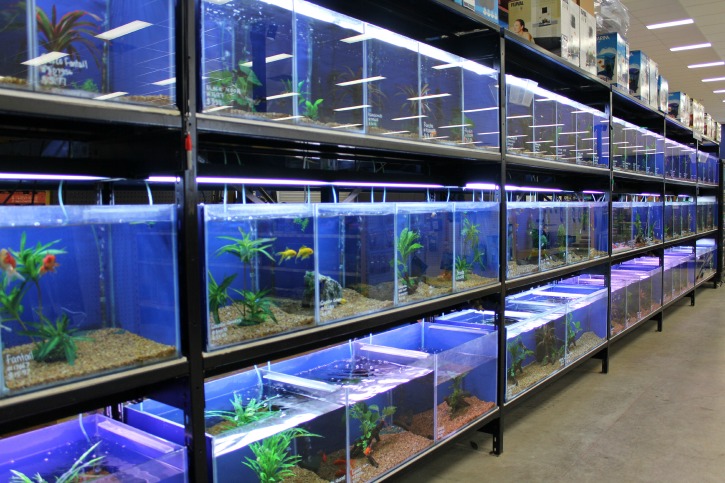
Healthy marine fish need a consistent and balanced environment to thrive. Hobbyists searching for a saltwater aquarium fish store near me often focus on equipment and decorations, but water parameters directly affect fish health. Proper conditions influence immune function, appetite, and behavior. Fluctuations in temperature, salinity, or pH can quickly stress fish and lead to disease. Maintaining an ideal environment requires monitoring and adjustments to provide a habitat where fish remain active, display natural colors, and grow steadily without unnecessary stress.
The Importance of Water Quality
Water quality drives the well-being of all marine species. Low-quality water reduces feeding, increases aggression, and weakens immunity. Clean, balanced water prevents disease and supports natural behavior. Regular testing and careful monitoring allow early detection of problems. Keeping water clear and chemical levels stable improves fish activity and coloration. Consistency in water maintenance is more effective than occasional intensive treatments. A focus on water quality forms the foundation for a thriving aquarium, making it critical for both beginners and experienced aquarists to prioritize measurement and upkeep.
Ideal Temperature Range
Marine fish require stable temperatures for proper metabolism. Most tropical species thrive between 75°F and 82°F (24°C–28°C). Sudden temperature changes can shock fish, suppress immunity, or even cause death. A reliable heater and thermometer are essential for accurate control. Even distribution of heat prevents cold or hot spots that stress fish. Maintaining a steady temperature is more important than reaching an exact degree. Gradual adjustments allow fish to acclimate safely, reduce stress, and promote normal feeding, growth, and activity levels.
Maintaining Proper Salinity
Salinity determines how marine fish maintain fluid balance. Ideal specific gravity ranges from 1.020 to 1.026. Accurate measurements using a refractometer or hydrometer prevent errors that may harm fish. Evaporation requires freshwater top-offs without altering salt concentration. Sudden changes in salinity can cause osmoregulatory stress, lethargy, or death. Gradual adjustments protect fish and ensure steady adaptation. Keeping a log of salinity readings helps spot trends and maintain a stable environment. Proper salinity is critical for both fish health and the growth of invertebrates or coral in reef setups.
pH Levels and Stability
Marine fish thrive in water with a pH between 8.0 and 8.4. Balanced pH supports metabolism and reduces stress. Fluctuations can cause immune suppression or behavioral changes. Using test kits or digital meters ensures accurate monitoring. Buffering solutions and appropriate substrates maintain consistent levels. Gradual correction is safer than sudden shifts, which can shock fish. Maintaining stable pH improves feeding habits, reduces aggression, and preserves beneficial bacterial colonies essential for waste breakdown. Consistent pH control is a core component of a stable, healthy marine aquarium environment.
Ammonia, Nitrite, and Nitrate Control
Toxic compounds can harm fish even at low levels. Ammonia and nitrite should remain at 0 ppm, while nitrate should stay below 20 ppm. Regular water changes, proper filtration, and cycling establish safe levels. Beneficial bacteria convert harmful substances into less toxic forms. Overfeeding or overcrowding increases toxin levels rapidly. Frequent testing identifies rising concentrations early, preventing illness or death. Maintaining these levels ensures fish remain active, eat consistently, and display natural colors. Proper control of ammonia, nitrite, and nitrate is a critical step for long-term aquarium success.
Dissolved Oxygen and Water Movement
Oxygen is essential for survival and energy. Proper circulation keeps dissolved oxygen high and supports healthy bacterial colonies. Powerheads, circulation pumps, and surface agitation mimic natural currents. Consistent water flow prevents debris buildup and distributes heat and nutrients evenly. Oxygen levels affect feeding, activity, and stress tolerance. Poor circulation can lead to stagnation, low oxygen, and increased waste accumulation. Maintaining adequate water movement ensures fish thrive, display normal behavior, and remain free from oxygen-related stress or disease.
Key Mineral and Trace Element Balance
Marine fish and reef organisms require calcium, magnesium, and potassium for health. Balanced minerals stabilize pH and support metabolism. Salt mixes typically provide the correct ratios, but testing and supplementation may be necessary in heavily stocked or reef tanks. Gradual additions prevent chemical shocks. Maintaining proper trace element levels encourages normal growth, supports shell and bone formation, and strengthens immune systems. Consistent mineral balance also promotes vibrant colors and improves fish resilience in the long term.
Lighting and Its Indirect Effects
Lighting affects water chemistry indirectly by influencing temperature and algae growth. Excessive or prolonged light can increase water temperature and alter nutrient levels. Timers and careful monitoring control intensity and duration. Proper lighting supports photosynthetic organisms, but indirectly benefits fish by stabilizing the environment. Balanced lighting prevents algae overgrowth, reduces chemical fluctuations, and ensures consistent temperature levels. Controlled lighting contributes to a healthy habitat where both fish and reef organisms thrive.
Recommended Filtration Systems
- Mechanical filtration removes debris and particles
- Biological filtration supports bacteria to break down ammonia and nitrites
- Chemical filtration absorbs dissolved toxins
- Protein skimmers remove organic waste efficiently
- Regular maintenance ensures consistent performance
Filtration maintains water clarity, reduces toxic compounds, and creates a stable environment. Routine cleaning preserves flow, prevents clogs, and maintains efficiency. A reliable system keeps water parameters within ideal ranges, promoting healthy, active fish.
Routine Testing and Maintenance
Monitoring water parameters regularly allows early problem detection. Test temperature, salinity, pH, ammonia, nitrite, and nitrate consistently. Partial water changes dilute toxins and replenish minerals. Cleaning equipment prevents debris accumulation and ensures filtration efficiency. Logging test results helps track trends and anticipate adjustments. Routine maintenance reduces stress and minimizes the risk of disease. Structured schedules make water management predictable and effective, supporting fish growth and long-term tank stability.
Common Mistakes to Avoid
Overfeeding produces excess waste and ammonia spikes. Overcrowding stresses fish and accelerates toxin buildup. Failing to cycle a new aquarium prevents beneficial bacterial establishment. Neglecting regular testing and water changes destabilizes chemistry. Avoiding these errors keeps fish healthy, reduces disease risk, and ensures a peaceful, active environment. Proper planning, controlled feeding, and consistent monitoring are essential for maintaining stable water conditions and preventing common problems.
Conclusion:
Ideal water conditions require ongoing attention to detail. Stable temperature, salinity, pH, oxygen, minerals, and filtration support fish health, natural behavior, and vibrant coloration. Consistency in testing, maintenance, and observation ensures a thriving marine ecosystem. Following these guidelines builds a reliable habitat, reduces stress, and promotes long-term success. Aquarists who manage water chemistry effectively enjoy stronger, more active fish and a clear, balanced tank environment.
FAQs
1. What is the optimal temperature for tropical marine fish?
Between 75°F and 82°F (24°C–28°C) with stable conditions.
2. How often should salinity be checked?
Weekly measurement using a refractometer or hydrometer is recommended.
3. What pH range suits most saltwater fish?
A pH between 8.0 and 8.4 keeps fish metabolism balanced.
4. Why is regular filtration important?
It removes debris, maintains clarity, and supports biological processes.
5. How can trace elements affect fish health?
Calcium, magnesium, and potassium support metabolism, immunity, and growth.