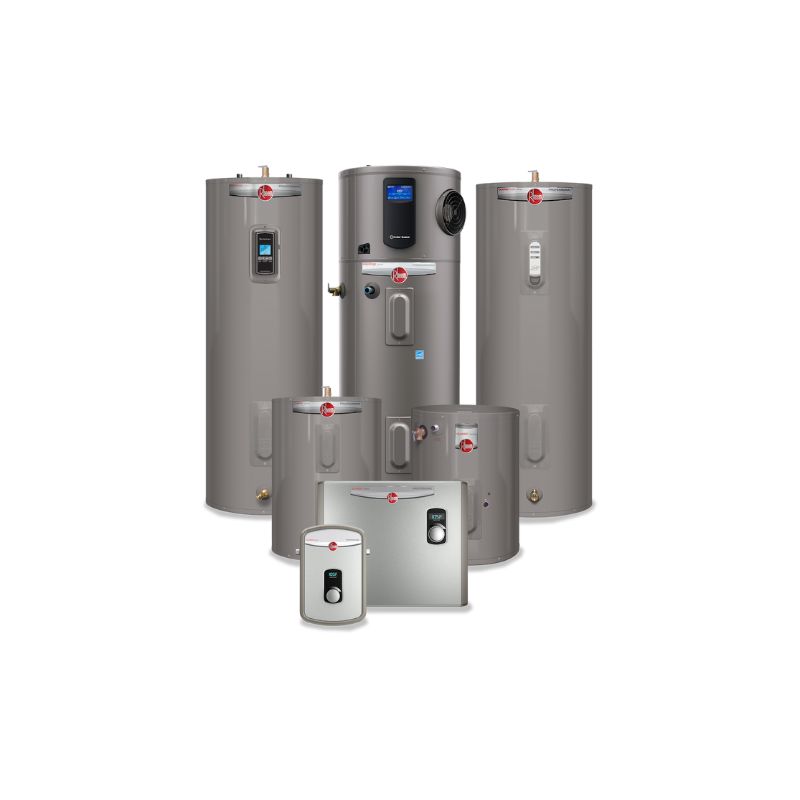
A broken water heater ruins your daily routine. It makes simple tasks like bathing or washing dishes very difficult. Most people ignore their water heater until it stops working completely. However, your system usually sends warning signs before it fails. Learning to spot these signals early can save you a lot of money and stress. You can avoid a flooded home or a freezing shower by paying close attention to small changes. Your heater talks to you through sounds, smells, and temperatures. Understanding these clues helps you decide when it is time to call for professional help.
Your Water Is Not Getting Hot Enough Fast Enough
One of the most obvious signs is a change in temperature. Maybe your shower takes ten minutes to get warm. Maybe the water is only lukewarm instead of hot. This often happens because of a part called the heating element. Over time, this part wears out. In electric heaters, one of the two elements might burn out. This leaves you with half the power.
Another reason is the size of your family. If your kids are older, they might use more water. But if the heater used to keep up and now it fails, there is a problem. Sediment can also build up at the bottom of the tank. This gunk acts like a blanket. It sits between the fire and the water. The heat cannot get through the thick layer of dirt. This makes your heater work much harder. It stays on longer. It uses more energy. You will see your power bill go up. If your water stays cold, you should check the settings. But if the settings are right and the water is cold, you need help.
Strange Noises Are Coming From Inside The Tank
Your water heater should be quiet. You might hear a small hum, but that is all. If you start hearing loud bangs or pops, be careful. It sounds like someone is hitting the tank with a hammer. It can be very scary to hear at night. This noise comes from kettling. This happens when minerals from the water settle at the bottom. These minerals turn into hard scales.
When the water underneath the scale gets hot, it turns into steam bubbles. These bubbles pop through the hard crust. That is the banging sound you hear. This is not just annoying. It is dangerous for the tank. The constant banging can cause the metal to crack. It makes the tank wear out years before it should. If you hear rumbling, your heater is struggling. It is fighting against the dirt inside. Cleaning the tank can usually fix this. If you ignore the noise, the tank might eventually burst.
The Water Looks Rusty Or Smells Very Bad
Take a look at your water when you fill the bathtub. Does it look brown or yellow? This is a big red flag. Rust in your hot water means the inside of your tank is rotting away. Most heaters have a special rod inside. This rod attracts rust so the tank stays safe. But these rods do not last forever. Once the rod is gone, the rust eats the steel walls of the tank.
If you live in Florida and notice these changes, you might need water heater repair in Tampa to stop the damage before a leak starts. Rust is not the only problem. Sometimes the water smells like rotten eggs. This happens when bacteria grows inside the tank. It loves warm, dark places. This smell is gross and makes it hard to wash dishes or clothes. You do not want to cook with stinky water. If the water looks cloudy or metallic, your pipes or tank are breaking down. Clear water is a sign of a healthy system. Anything else means you have a problem.
There Are Puddles Of Water Around The Base
You should check your utility closet or garage often. Look at the floor around the heater. It should be bone dry. If you see damp spots or small puddles, you have a leak. Even a tiny drip is a bad sign. Metal expands when it gets hot. When it cools down, it shrinks. This constant movement causes tiny cracks in the metal.
Here are some places where leaks usually start:
- The Pressure Valve:
This part lets out steam if the tank gets too hot. If it drips, it might be broken or the tank is under too much stress.
- The Connections:
The pipes that go into the top of the heater can get loose. You might just need to tighten a bolt.
- The Bottom of the Tank:
If water is coming from the very bottom, the inner lining is likely cracked. This cannot be fixed.
- The Drain Valve:
This is the little faucet at the bottom. If it is not closed tight, it will leak slowly.
A small leak can turn into a flood in minutes. A flooded home costs thousands of dollars to fix. It can ruin your floors and grow mold. Never ignore a wet floor near your heater.
Conclusion
Taking care of your home is a big job. You deserve to have hot water whenever you need it. Do not wait for the tank to explode or the water to turn ice cold. If you hear noises or see leaks, take action immediately. Being proactive keeps your family comfortable and keeps your wallet full. For any help with your plumbing needs, you can trust the experts at Pompa Plumbing Group. They are great at keeping everything in your house working perfectly. Give them a call today to make sure your water heater stays in good shape for a long time.