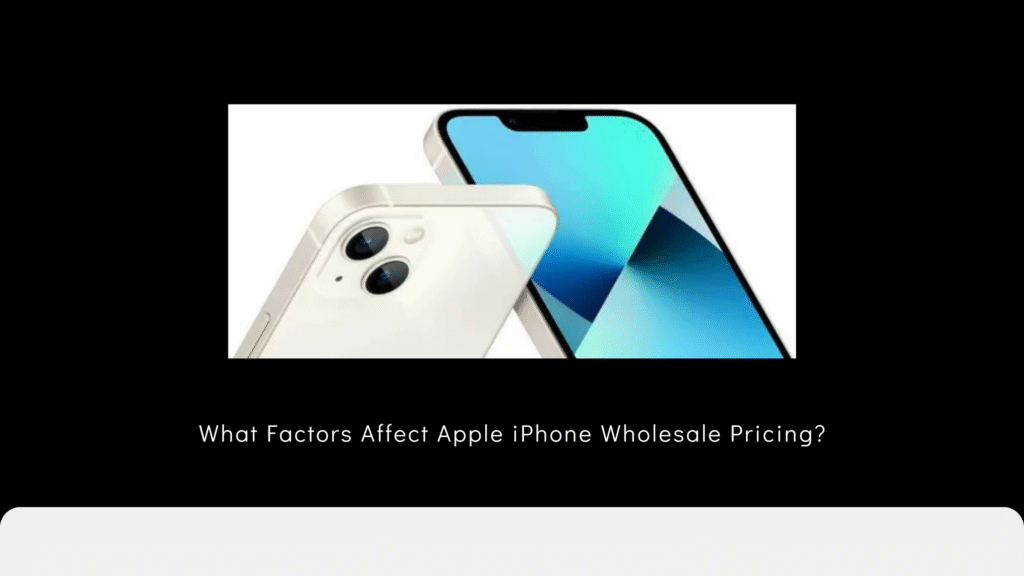
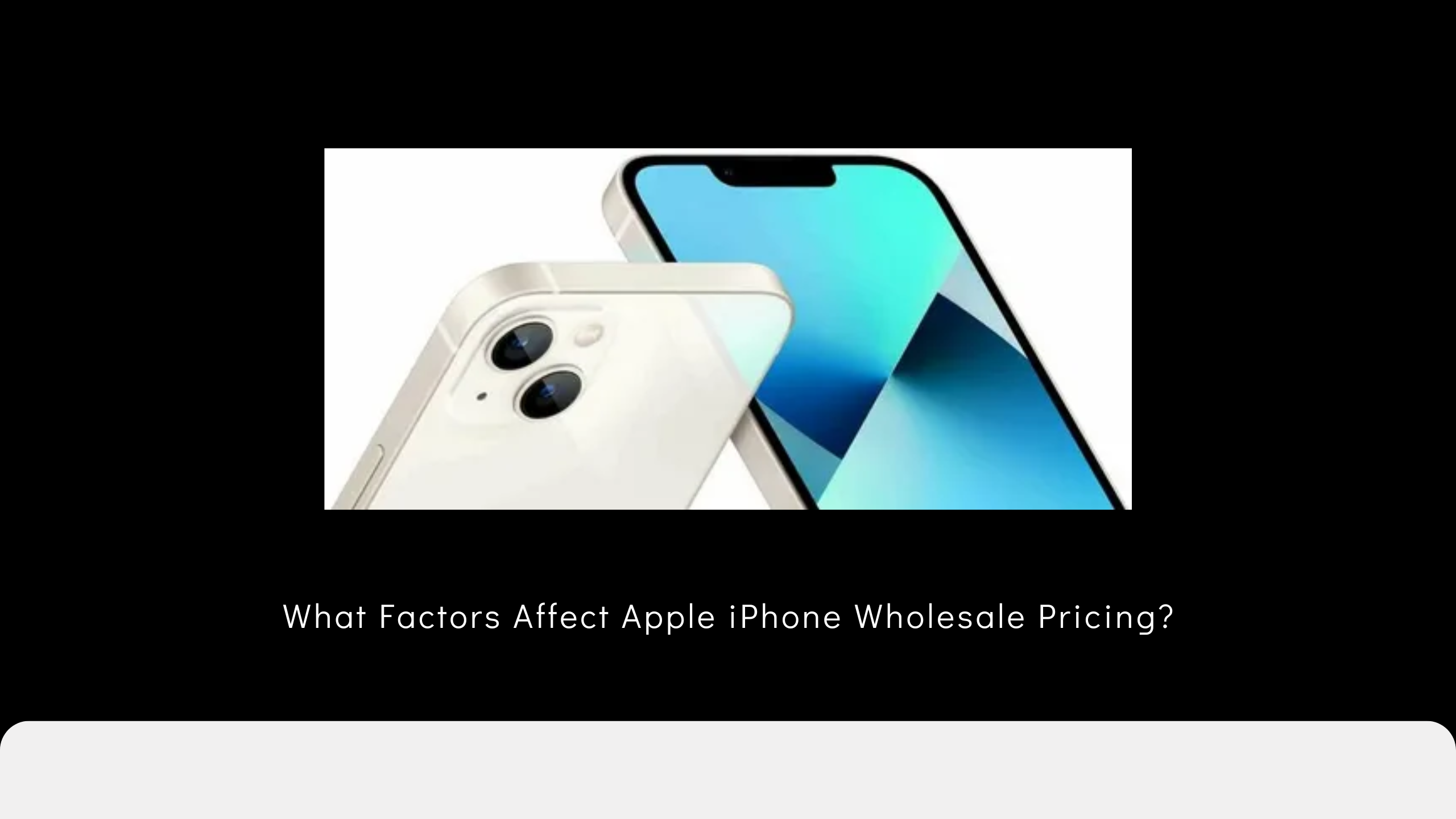
The demand for Apple iPhone wholesale in italy purchases has increased significantly as retailers, resellers, and businesses look for efficient ways to source premium smartphones at competitive prices. Wholesale pricing is influenced by several important factors that determine the cost, availability, and profitability of bulk iPhone purchases. Understanding these pricing elements helps businesses make informed buying decisions and ensures sustained success in a competitive market.
Model Type and Release Cycle
One of the biggest factors that affect Apple iPhone wholesale pricing is the model type. Newer iPhone models, such as the latest flagship releases, usually carry higher wholesale prices due to their advanced technology, strong demand, and extended software support. Older models, however, experience price drops over time as new versions enter the market.

Apple’s annual release cycle also influences wholesale pricing. Prices for older models typically decline after new launches, creating opportunities for wholesalers and retailers to buy inventory at reduced rates.
Device Condition and Grading Standards
Wholesale iPhones are often categorized using a grading system that reflects their physical and functional condition. Grade A devices are nearly new, Grade B may show light signs of wear, and Grade C devices have more noticeable cosmetic imperfections but still function properly.
The condition of the device directly impacts wholesale pricing. Higher-graded iPhones command higher prices due to their resale value and consumer appeal. Retailers seeking greater profit margins often prefer Grade A or B devices for their balance of quality and affordability.
Storage Capacity and Technical Specifications
Storage capacity plays a significant role in wholesale pricing. iPhones with larger storage options, such as 256GB or 512GB, are priced higher than base models. Additionally, technical features like camera quality, processor performance, and connectivity options influence pricing because they impact consumer demand.
Wholesalers factor in these specifications to set pricing that reflects market value and customer expectations, ensuring that businesses can meet diverse consumer preferences.
Market Demand and Global Trends
Wholesale iPhone pricing is heavily influenced by supply and demand dynamics. During periods of high consumer interest, such as holidays, back-to-school seasons, or new model releases, wholesale prices may rise due to increased competition among buyers.
Global trends also play a role. Changes in economic conditions, currency fluctuations, and international shipping constraints can affect pricing. When demand increases or supply becomes limited, wholesale prices tend to climb accordingly.
Supplier Type and Source of Acquisition
The type of supplier also affects Apple iPhone wholesale pricing. Authorized distributors, certified refurbishers, and direct wholesalers may offer different pricing depending on their source, whether they acquire stock directly from Apple, carriers, or returns from major retailers.
Verified suppliers often charge slightly higher prices due to the assurance of authenticity and quality. However, this added reliability can prevent costly risks associated with counterfeit or defective devices, making it a worthwhile investment for many businesses.
Warranty and After-Sales Support
Wholesale suppliers that offer warranties, return policies, or technical support may price their devices slightly higher. These services add value by reducing risk for buyers and ensuring smoother resale operations.
Businesses often prefer suppliers who offer such support, as it increases customer confidence and reduces potential losses from faulty or non-functional devices. After-sales benefits are considered part of the overall pricing structure and play a crucial role in long-term supplier relationships.
Quantity Purchased and Bulk Discounts
The number of units purchased directly impacts wholesale pricing. Suppliers typically offer tier-based discounts, where larger quantities yield lower per-unit prices. Buying in bulk helps retailers increase their profit margins and secure better market positioning.
Businesses often plan their purchases strategically, taking advantage of bulk pricing during peak demand cycles to maximize returns.
Packaging, Accessories, and Added Value
Accessories and packaging also influence wholesale pricing. Devices that come with original accessories, such as chargers, cables, or boxes, are priced higher because they enhance resale value. Unboxed or accessory-free iPhones are typically more affordable but may have lower consumer appeal.
Suppliers who bundle value-added services, such as device cleaning, IMEI checks, or refurbishment reports, may adjust their pricing accordingly.
Software Support and Update Eligibility
iPhones with long-term iOS update eligibility hold higher value in the wholesale market. Devices that continue to receive software updates remain secure, fast, and compatible with modern apps, which increases their market demand and price.
Older models losing support often see a drop in value, making them more cost-effective for buyers seeking budget-friendly inventory options.
Conclusion
The pricing of Apple iPhone wholesale devices is influenced by factors such as model type, condition, storage capacity, demand trends, supplier reliability, warranty availability, bulk quantity, and software support. Understanding these elements helps businesses make informed purchase decisions, secure high-quality inventory, and maintain strong profit margins. By evaluating each factor carefully, retailers and wholesalers can build successful strategies that align with customer demand and ensure long-term growth.
For More Insightful Articles Related To This Topic, Feel Free To Visit: Newsglo