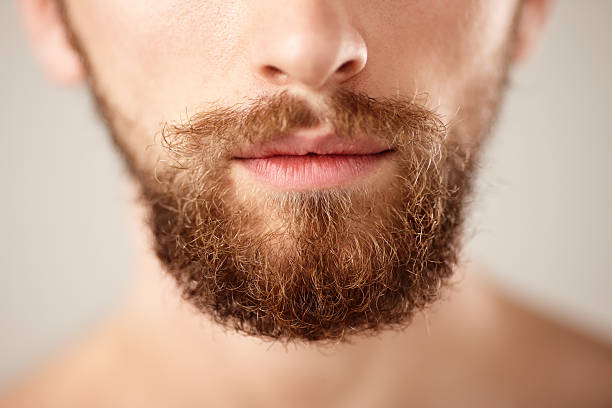
A beard transplant is a delicate procedure that involves transplanting hair follicles to the facial area. While the surgical technique plays a major role in the success of the transplant, nutrition significantly influences the recovery process. The foods you consume after a Beard Transplant in Abu Dhabi can either support faster healing or slow down your recovery. Understanding how diet affects tissue repair, hair growth, and overall healing can help you achieve optimal results.
The Role of Nutrition in Beard Transplant Recovery
Proper nutrition provides the building blocks necessary for your body to repair the tiny wounds created during a beard transplant. Proteins, vitamins, and minerals are crucial in the regeneration of skin and hair follicles. Nutritional deficiencies can lead to delayed healing and may affect the density and strength of transplanted hairs. Therefore, the types of foods consumed during the recovery period are as important as following post-procedure care instructions.
Protein-Rich Foods and Their Impact
Protein is the primary component of hair and skin tissue. Consuming protein-rich foods ensures that your body has enough amino acids to produce keratin, the protein responsible for hair growth. Lean meats, eggs, legumes, and tofu are excellent sources of protein. Including these foods in your diet after a beard transplant supports the repair of the scalp and facial tissue, promoting faster recovery.
Importance of Vitamins in Recovery
Vitamins play a critical role in cellular repair and immune function, both of which are essential for recovery. Vitamin C, found in citrus fruits, strawberries, and bell peppers, aids in collagen production, which helps heal tiny wounds on the face. Vitamin A, present in carrots, sweet potatoes, and leafy greens, supports skin health and cell regeneration. A diet rich in these vitamins ensures that the facial area recovers efficiently and that transplanted follicles are nourished.
Minerals That Support Healing
Certain minerals are particularly beneficial for beard transplant recovery. Zinc, found in nuts, seeds, and whole grains, helps in tissue repair and maintaining healthy skin. Iron, abundant in spinach, lentils, and red beans, improves blood circulation, ensuring that hair follicles receive adequate oxygen and nutrients. Adequate mineral intake accelerates the healing process and helps maintain the vitality of transplanted hairs.
Healthy Fats and Recovery Time
Healthy fats, such as those found in avocados, olive oil, and fatty fish, have anti-inflammatory properties. Reducing inflammation in the facial area is essential after a beard transplant, as it minimizes swelling and promotes quicker healing. Omega-3 fatty acids in particular enhance blood circulation and support cellular repair, which can positively influence the recovery timeline.
Hydration and Its Role in Healing
Although not a food, water is an essential part of the diet that significantly affects recovery. Proper hydration ensures that the skin remains supple and promotes nutrient transport to transplanted hair follicles. Drinking enough water supports faster tissue repair and reduces the risk of prolonged redness or dryness, which can indirectly affect the overall recovery experience.
Foods to Avoid During Beard Transplant Recovery
Certain foods can hinder recovery, even if they are generally healthy. Highly processed foods, sugary snacks, and foods high in saturated fats can increase inflammation and slow down the healing process. Excessive consumption of these foods can also compromise nutrient absorption, reducing the effectiveness of a protein-rich and vitamin-rich diet. Avoiding such foods ensures that your recovery time is minimized and the transplanted beard grows optimally.
The Impact of Antioxidant-Rich Foods
Antioxidants combat oxidative stress in the body, which can affect healing. Foods rich in antioxidants, such as berries, nuts, and dark chocolate, protect cells and tissues from damage while promoting regeneration. Including antioxidant-rich foods in your diet after a beard transplant helps maintain healthy skin around the transplanted area and supports the growth of new hairs.
Balancing Meals for Optimal Recovery
A balanced diet that incorporates proteins, vitamins, minerals, healthy fats, and antioxidants provides the best support for beard transplant recovery. Combining various food groups ensures that all aspects of healing—cell regeneration, hair follicle nourishment, and inflammation control—are addressed. Eating small, frequent meals can also enhance nutrient absorption and maintain consistent energy levels for optimal tissue repair.
Lifestyle Factors Complementing Nutrition
Nutrition alone is not the only factor affecting recovery. Adequate sleep, moderate physical activity, and avoiding smoking or alcohol consumption complement the dietary efforts. Foods work in synergy with these lifestyle habits to ensure that the transplanted hair follicles establish themselves and grow successfully. Neglecting these aspects can counteract the benefits of a well-planned recovery diet.
Long-Term Dietary Considerations
Even after the initial recovery period, maintaining a nutrient-rich diet continues to support beard health. Hair growth is an ongoing process, and transplanted follicles benefit from continued intake of protein, vitamins, and minerals. Consistently eating foods that nourish hair and skin can enhance the density, strength, and appearance of your beard over time.
FAQs on Foods Affecting Beard Transplant Recovery
What foods speed up beard transplant recovery?
Protein-rich foods, antioxidant-rich fruits, vegetables, nuts, and healthy fats are most effective in promoting tissue repair and hair follicle nourishment.
Are there foods that should be avoided after a beard transplant?
Processed foods, sugary snacks, and high-saturated-fat foods can increase inflammation and slow healing. Limiting these supports faster recovery.
Do vitamins play a role in beard transplant recovery?
Yes. Vitamins like A and C are essential for skin repair, collagen production, and overall healing, which directly influence the recovery timeline.
Can hydration affect beard transplant results?
Absolutely. Adequate water intake maintains skin elasticity, supports nutrient transport, and aids in the healing of transplanted follicles.
How soon after a beard transplant should I focus on nutrition?
Optimal nutrition should begin immediately after the procedure and continue throughout the recovery period to ensure proper healing and hair growth.
Do antioxidants help in the recovery process?
Yes. Antioxidant-rich foods reduce oxidative stress, protect cells, and support tissue regeneration, all of which contribute to a healthier recovery.
Is it necessary to follow a strict diet after a beard transplant?
While a strict diet is not required, following a balanced, nutrient-rich diet ensures faster recovery and supports the growth of healthy beard hair.