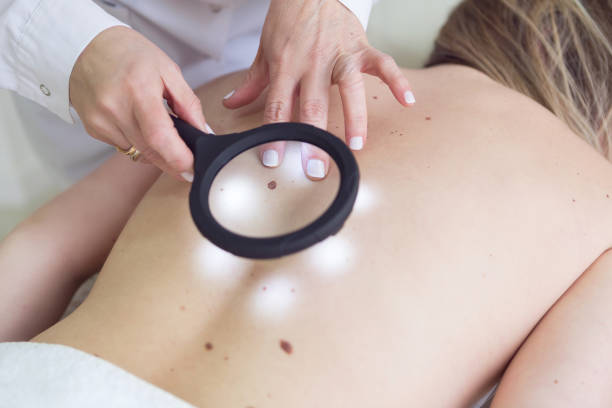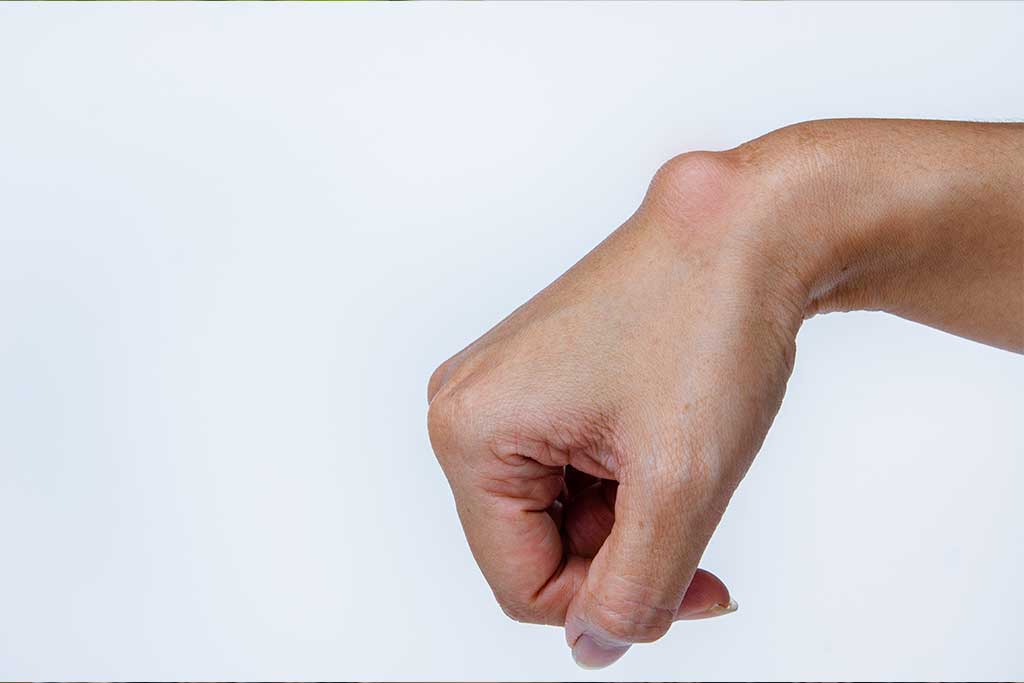
Lipomas are benign lumps of fatty tissue that form beneath the skin. Traditionally, surgical excision has been the mainstay of treatment, especially when these growths cause discomfort, limit mobility, or raise cosmetic concerns. Over recent years, advances in medical technology have led to newer, more refined techniques for Lipoma Treatment in Abu Dhabi that aim to treat lipomas in ways that are less invasive, more precise, and often with improved outcomes. These latest techniques focus on minimizing recovery time, reducing scarring, and providing safer treatment options for a wider range of individuals.
Evolution from Traditional Methods to Modern Techniques
Conventional surgical removal involves making an incision and excising the lipoma along with its capsule. While this method remains effective for many cases, it can leave noticeable marks and requires a period of healing. Modern approaches aim to address these concerns by offering options that are tailored to individual needs and specific lipoma characteristics.
The newest techniques span from refined physical interventions to energy-based treatments that can target fatty tissue with greater precision. These methods are part of a broader shift toward options that are less disruptive to surrounding tissue and may offer faster recovery.
Minimally Invasive and Precision Techniques
Ultrasound-Guided Removal
Ultrasound-guided approaches use real-time imaging to precisely locate the lipoma and guide instruments during treatment. This level of guidance allows for careful targeting of the fatty tissue, even when the lipoma is deeper beneath the skin. Such precision can lead to more complete removal compared to traditional freehand techniques, especially in complex areas. Smaller incisions also contribute to a better cosmetic outcome.
Advanced Liposuction Variations
Liposuction techniques have been refined to assist in the removal of lipomas, particularly larger or irregularly shaped ones. Variations such as ultrasound-assisted liposuction use sound waves to break down fat before removal, making the process smoother and more controlled. Other enhancements, like power-assisted liposuction, use mechanically vibrating tools to efficiently extract fatty tissue. These methods often result in smaller incisions and reduced tissue trauma.
Laser-Assisted Techniques
Laser-assisted technologies use focused light energy to break down fat within the lipoma. This can soften or dissolve the fatty tissue, which is then removed or gradually absorbed. Using laser energy can also help seal small blood vessels during the procedure, potentially reducing swelling and bruising. Laser-assisted methods may improve precision and support faster healing compared to traditional excision.
Energy-Based Tissue Ablation Methods
Radiofrequency Ablation (RFA)
Radiofrequency ablation uses high-frequency electrical energy to generate heat at the treatment site. This heat disrupts fat cells within the lipoma, causing them to break down over time. In many cases, RFA requires only small access points, which can minimize scarring. It also allows treatment to be performed under local anesthesia and often results in faster recovery.
Cryolipolysis (Fat Freezing)
Cryolipolysis, sometimes called “fat freezing,” applies controlled cooling to fat cells, causing them to crystallize and gradually be removed by the body’s natural processes. Widely used in body contouring, this technology has been adapted to target lipomas as a non-surgical alternative. It requires no incisions and typically involves very little downtime, although multiple sessions may be needed to achieve desired results.
Combination and Emerging Techniques
Microwave Ablation with Tissue Removal
Emerging research has explored combining energy-based ablation with tissue removal. For example, percutaneous microwave ablation combined with targeted extraction involves using microwave energy to disrupt lipoma cells first, followed by removal of the ablated tissue. This technique optimizes both effectiveness and cosmetic outcome by preserving surrounding healthy tissue and minimizing incision size.
Endoscopic and Robotic-Assisted Methods
Endoscopic approaches use a tiny camera and instruments inserted through small openings to visualize and remove the lipoma. This technique reduces incision size and can aid in accessing difficult-to-reach areas. Robotic-assisted methods are also being explored to combine human control with robotic precision, further refining removal in challenging locations.
Improving Overall Treatment Experience
One of the priorities behind these advancements is reducing the physical impact on the body. Techniques that use imaging guidance, focused energy, or minimal access points can result in less tissue disruption, smaller marks, and faster recovery.
Better imaging technologies, such as high-resolution ultrasound, support both diagnosis and precision treatment planning. Accurate imaging ensures that practitioners can determine the size, depth, and boundaries of a lipoma before any procedure begins, contributing to more targeted and effective outcomes.
Considerations for Choosing a Technique
Choosing the most suitable technique depends on several factors: the size of the lipoma, its location, depth beneath the skin, and personal preferences regarding recovery and cosmetic outcome. Larger or deeper lipomas may still require traditional surgical approaches, while smaller, superficial growths might benefit from energy-based or minimally invasive options.
Some of the newest technologies are still evolving and may not be widely available in all care settings. Personal assessment and planning help ensure that the chosen method aligns with individual circumstances and goals.
Frequently Asked Questions
Are new techniques replacing traditional surgery for lipomas?
Newer techniques offer effective alternatives for small or moderately sized lipomas, but surgery remains a reliable option when complete removal is required, particularly for large or deeply located lipomas.
Do energy-based treatments require downtime?
Many modern energy-based methods involve minimal recovery time compared with traditional surgery. Smaller marks and less invasive access can support a quicker return to everyday activities.
Is image guidance important in treatment planning?
Yes, advanced imaging technologies like ultrasound provide detailed views of the lipoma’s size and location. This supports more accurate treatment and may improve precision and outcomes.
Are minimally invasive techniques suitable for all lipomas?
Minimally invasive techniques are often effective for smaller and superficial lipomas, while larger or complex growths might still benefit from surgical approaches.
Do these techniques reduce scarring?
Many modern techniques are designed to minimize scarring by using smaller access points and limiting tissue disruption.
Are multiple sessions needed with newer methods?
Some non-surgical options, particularly those that use controlled energy like freezing or ablation, may require multiple sessions to achieve full results.
Conclusion
The landscape of lipoma treatment has evolved beyond traditional excision. Advances such as ultrasound-guided removal, refined liposuction variations, laser-assisted procedures, and energy-based ablation have expanded the available options. These techniques aim to improve precision, reduce scarring, support faster recovery, and tailor treatment to individual needs.
As technology continues to progress, treatment becomes more adaptable and effective for a variety of lipoma characteristics. Understanding these options helps individuals explore approaches that align with their unique goals and priorities.