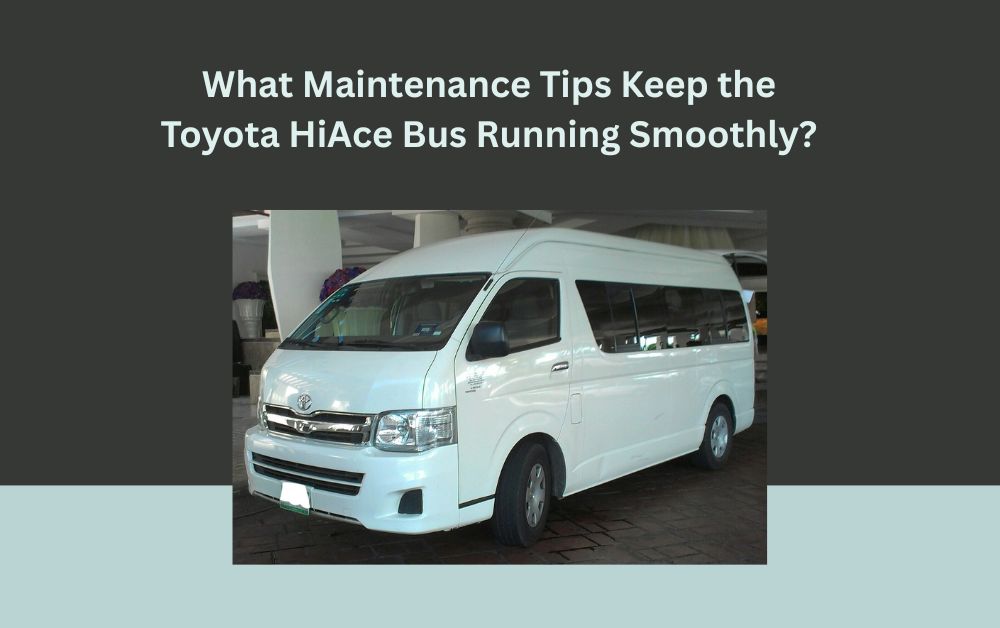
The Toyota HiAce Bus is a tough and reliable vehicle loved by businesses, schools, and tour groups for its space and durability. But like any bus, it needs regular care to stay in top shape. Good maintenance keeps it safe, saves money on repairs, and makes it last longer. This guide shares simple tips in easy words, so anyone can follow them and keep their HiAce running smoothly without stress.
Why Regular Maintenance Matters for Your HiAce Bus
Note : For more insightful articles related to Toyota HiAce Bus in Dubai, check out resources from trusted exporters like Nubia Cars, which cover specs, export processes, and local availability for this reliable commuter and cargo van.
Regular checks stop small problems from turning big. A well-cared-for HiAce uses less fuel, drives safer, and avoids breakdowns on busy roads. Owners who follow a simple plan see fewer trips to the shop and lower costs over time. Think of it as giving your bus a healthy routine, just like you do for yourself.
Skipping care can lead to engine trouble, flat tires, or brake issues that put passengers at risk. In hot places like Dubai, dust and heat make maintenance even more key. Simple habits like weekly checks keep your HiAce ready for daily work or long trips.
Daily and Weekly Quick Checks

Check Fluids Every Week
Start with easy fluid checks once a week or every 1,000 km. Park on flat ground, turn off the engine, and wait 5 minutes. Pull out the dipstick for engine oil – wipe it, dip it back, and pull out again. Oil should be between low and full marks and look clean, not black or gritty. Top up if low using the right oil type from your manual.
Next, look at coolant in the tank – it should be at the full line and bright-colored. Brake and power steering fluids also need checking; low levels mean leaks. These quick steps take 10 minutes but catch issues early.
Tire Pressure and Lights
Feel tires for even pressure – use a gauge to match the door sticker numbers, often 35-40 PSI. Soft tires wear fast and hurt fuel use. Kick tires lightly; they should bounce back firm. Check all lights, signals, and wipers work at night.
Look for cracks or bulges on sidewalls. Rotate tires every 10,000 km for even wear. Good tires mean safe stops and smooth rides for everyone on board.
Monthly Maintenance Tasks
Clean Air and Cabin Filters
Dust clogs air filters fast, choking the engine and cutting power. Open the air box under the hood, pull out the filter, and hold it to light – if you can’t see through, replace it. Cabin filters behind the glovebox keep air fresh inside; swap them monthly in dusty areas.
Clean or replace fuel filters too if your bus runs rough. Fresh filters boost mileage and keep the engine happy.
Battery and Belts Check
Pop the hood and eye the battery – clean green corrosion off terminals with baking soda water. Test lights and starter; weak battery means jump starts. Belts should feel firm, not cracked or loose – press the middle; it shouldn’t sink more than half an inch.
Hoses for coolant and steering look for soft spots or leaks. Tighten loose clamps. These checks prevent hot breakdowns.
Every 5,000 Km Service Guide
Oil and Filter Change
Change oil every 5,000 km or 6 months. Drain old oil from the bottom plug, replace the filter, and refill with fresh oil – usually 5-7 liters of 5W-30 type. Warm engine first for better flow. This keeps the engine lubricated and cool.
Dirty oil grinds parts; fresh oil means quiet runs and better power.
Brake Pad Inspection
Lift the bus safely and peek at brake pads through wheels – if under 3mm thick, replace them. Feel for pulling when braking; squeals mean wear. Pads last 30,000-50,000 km but check often for safety.
Bleed brakes if spongy pedal. Good brakes stop heavy loads quick.
Every 10,000 Km Deeper Checks
Cooling System Flush
Hot engines overheat without good coolant. Drain old stuff, flush with water, and refill with Toyota long-life coolant. Check radiator for dirt – hose it clean. Hoses and thermostat too; replace cracked ones.
This stops summer breakdowns and protects the engine block.
Suspension and Steering Review
Bounce each corner – uneven means weak shocks. Check steering for play; tight ball joints last longer. Grease fittings if your model has them. Smooth suspension handles bumps without shaking passengers.
Spark Plugs and Fuel System Care
Replace Spark Plugs
Every 30,000-50,000 km, swap spark plugs. Remove old ones with a socket wrench, gap new ones to spec (around 1.1mm), and torque tight. Clean throttle body while in there for better idle.
Misfires waste fuel; fresh plugs fire strong.
Fuel Filter and Lines
High-impurity fuel needs filter swaps every 10,000 km. Squeeze lines for cracks; fuel smell means leaks – fix fast. Clean injectors with additive for smooth power.
Transmission and Drivetrain Tips
Gear Oil Changes
For manual or auto, check fluid level and color – dark brown means change time every 40,000 km. Use the right gear oil; low levels grind gears. Drive gentle to extend life.
Differential and Axles
Smear grease on U-joints and inspect driveshafts. Leaks here cause noise and wear.
Electrical and Body Care
Wiring and Lights Upgrade
Tape frayed wires; test alternator output (13-14 volts). LED bulbs last longer in buses.
Wash and Wax Routine
Weekly washes remove salt and dirt. Wax quarterly for shine and rust block. Clean underbody to spot rust early.
Seasonal and Long-Trip Prep
Hot Weather Tips
Extra coolant checks in summer; shade the bus when parked. AC service yearly – recharge if weak air.
Winter or Rain Prep
Anti-freeze mix, wiper blades new, battery tender if parked long.
Tools and Parts to Keep Handy
Stock basics: oil, filters, belts, plugs, tire kit, jack, fluids, rags. A logbook tracks dates and km – apps work too. Buy Toyota parts for fit.
When to See a Mechanic
DIY simple stuff, but big jobs like timing belts (every 100,000 km) or valve checks go pro. Odd noises, smoke, or lights on dashboard mean tow it in.
Cost-Saving Maintenance Habits
Follow the manual schedule – saves 20-30% on repairs. Train drivers on checks. Bulk buy parts from trusted shops.
Conclusion
Simple maintenance tips like fluid checks, filter swaps, and tire care keep your Nubia Cars running smooth for years. Stay consistent, listen to your bus, and it rewards with safe, reliable service. Whether shuttling workers or tourists, a cared-for HiAce handles it all without fuss.
For more insightful articles related to this topic, feel free to visit newsglo