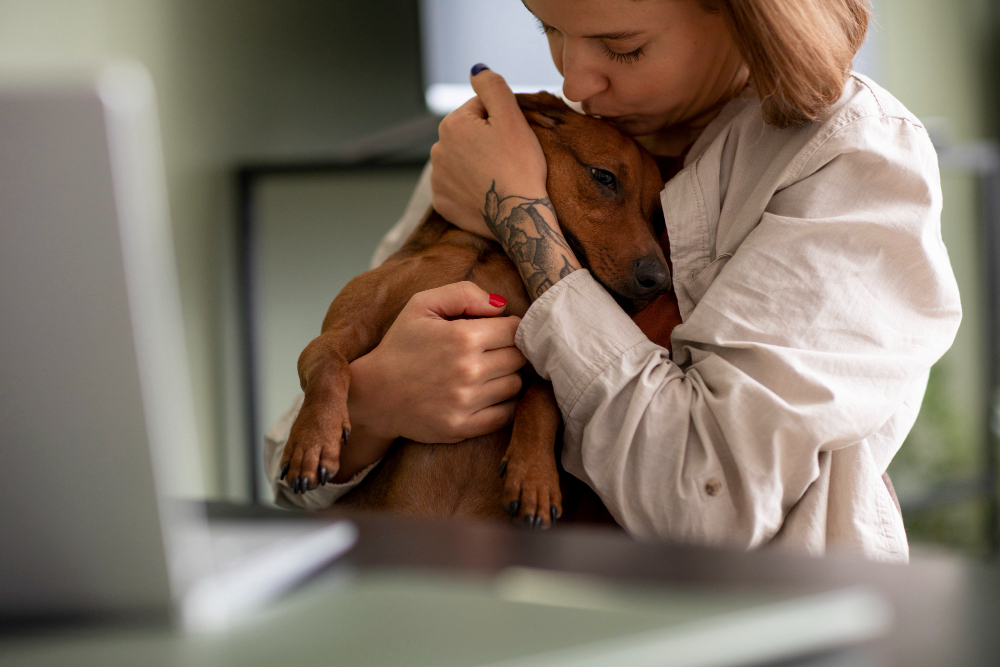
Making the decision to say goodbye to a beloved pet is one of the hardest moments any pet parent faces. When you choose pet euthanasia in Houston at home, you’re choosing comfort, familiarity, and peace for your dog or cat during their final moments. Still, it’s completely normal to feel uncertain and want reassurance before the appointment.
Asking the right questions ahead of time can ease anxiety, help you feel emotionally prepared, and ensure your pet’s passing is as gentle and dignified as possible. Below are thoughtful, practical questions to ask your veterinarian before an at-home pet euthanasia visit.
How Will the Euthanasia Process Work Step by Step?
One of the most important things to understand is what will actually happen during the visit. Ask your veterinarian to walk you through the process from arrival to aftercare.
Knowing how medications are administered, how long each step usually takes, and what your pet may experience can remove fear of the unknown. Most in-home euthanasia procedures involve a sedative first, allowing your pet to fall into a deep, relaxed sleep before the final medication is given.
Clear explanations help you focus on being present with your pet instead of worrying about what comes next.
Will My Pet Feel Any Pain or Anxiety?
This is often the biggest concern for families. Ask directly how your veterinarian ensures your pet stays pain-free and calm throughout the process.
Experienced providers of Houston at home pet euthanasia, like Heartstrings Pet Hospice professionals, prioritize comfort above all else. Sedation is used to relieve fear, stress, and discomfort, allowing pets to pass peacefully without distress. Hearing this reassurance from your veterinarian can bring immense emotional relief.
How Long Does the Appointment Usually Take?
Unlike rushed clinic visits, in-home euthanasia is intentionally unhurried. Still, it helps to know what to expect.
Ask how much time the veterinarian typically allows for goodbyes, sedation, and aftercare. Many families appreciate knowing there is no pressure to rush, and that they can take as much time as they need before and after the procedure.
Where Should the Euthanasia Take Place in My Home?
You may already have a spot in mind, but it’s helpful to ask for guidance. Some families choose a favorite couch, bed, or sunny spot by a window. Others prefer a quiet room where the pet feels safe.
Your veterinarian can help you choose a comfortable location based on your pet’s mobility and medical condition. The goal is to keep your pet relaxed and supported in a familiar space.
Can Family Members and Other Pets Be Present?
Many pet parents want to know if children, partners, or even other pets can be present during the euthanasia.
Ask your veterinarian about what they recommend. Some families find it healing to have other pets nearby, while others prefer a quieter setting. Veterinarians experienced in pet euthanasia in Houston can help you decide what will be emotionally healthiest for everyone involved.
What Physical Changes Should I Expect After My Pet Passes?
This is a sensitive topic, but an important one. Ask your veterinarian to explain any physical reactions that may occur, such as changes in breathing, muscle relaxation, or reflex movements.
Being prepared for these natural responses can prevent shock or fear in the moment and help you stay grounded as you say goodbye.
What Aftercare Options Are Available?
Before the appointment, ask about aftercare so you don’t have to make decisions while overwhelmed with grief.
Common options include private cremation, communal cremation, or burial, depending on local regulations. Your veterinarian can explain what services they handle and what choices are available in Houston.
Knowing these details in advance allows you to focus entirely on your pet during their final moments.
How Can I Prepare My Pet Before the Appointment?
Ask if there’s anything you should do beforehand to make the day easier for your pet. This might include offering favorite treats, keeping routines normal, or avoiding stressful activities.
Many families choose to spend quiet time together, take photos, or simply sit with their pet in calm companionship. Your veterinarian may also offer suggestions tailored to your pet’s condition.
How Can I Prepare Myself Emotionally?
It’s okay to ask this question. Veterinarians who provide pet euthanasia in Houston understand that this experience affects the entire family.
Ask how others typically cope, what emotions to expect, and whether support resources are available. Some veterinarians can recommend grief counseling, pet loss support groups, or helpful reading materials.
What If I Have Second Thoughts on the Day of the Appointment?
Finally, ask what happens if you feel unsure when the veterinarian arrives. Compassionate professionals understand that doubt is part of grief.
Knowing that you won’t be judged or pressured can bring peace of mind. A good veterinarian will talk with you, reassess your pet’s condition, and support whatever decision feels right for your family.
Final Thoughts
Choosing at-home pet euthanasia in Houston is an act of deep love and kindness. Asking these questions ahead of time helps ensure the experience is calm, respectful, and centered on your pet’s comfort.
You don’t need to have all the answers or feel perfectly prepared. What matters most is that your pet is surrounded by familiar sights, loving voices, and gentle care in their final moments, and that you feel supported every step of the way.
FAQs
Is at-home pet euthanasia more peaceful than a clinic visit?
Yes. Being at home helps many pets stay calm and relaxed, avoiding the stress of travel and unfamiliar surroundings.
How do veterinarians keep pets comfortable during euthanasia?
A sedative is given first to help the pet fall into a deep sleep. The final medication is only administered once the pet is fully relaxed.
What happens right after my pet passes?
You can take your time saying goodbye. The veterinarian will explain aftercare options and guide you through the next steps gently.