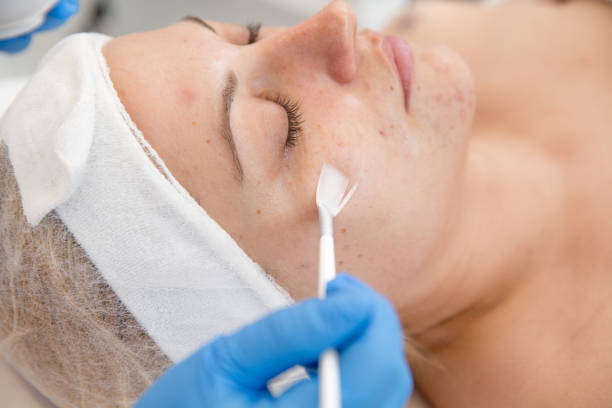
Chemical peels are a versatile skincare treatment designed to improve the health, texture, and appearance of the skin. By exfoliating the outer layers, Chemical Peel in Al Ain promotes the growth of new, healthy skin cells and stimulates collagen production. While chemical peels are often associated with anti-aging and skin rejuvenation, they can also address concerns such as uneven texture, pigmentation irregularities, and dullness. One common question is whether chemical peels are suitable for all skin types. Understanding how different skin types respond to peels can help individuals choose the most effective treatment for their needs.
Understanding Skin Types
Skin is generally categorized into several types, including normal, dry, oily, combination, and sensitive. Each skin type has unique characteristics, which influence how it reacts to skincare treatments, including chemical peels. Recognizing your skin type is an important first step in selecting a peel that provides optimal results without causing unnecessary irritation or discomfort.
Normal skin is typically well-balanced, neither too oily nor too dry, with minimal sensitivity. Dry skin tends to feel tight and may have flaky or rough areas. Oily skin produces more sebum, which can lead to enlarged pores and occasional breakouts. Combination skin exhibits characteristics of both oily and dry areas, often with an oily T-zone and drier cheeks. Sensitive skin is prone to redness, irritation, and reactions to external factors, including certain skincare treatments.
How Chemical Peels Work
Chemical peels work by applying a solution to the skin that exfoliates the outer layers. This controlled removal of dead skin cells promotes regeneration and reveals smoother, brighter skin underneath. Depending on the depth of the peel—superficial, medium, or deep—the treatment can target minor imperfections or more pronounced concerns such as wrinkles, pigmentation, and uneven texture.
The effectiveness and tolerance of chemical peels can vary depending on skin type. While most skin types can benefit from some form of peel, the concentration, type of acid, and depth should be carefully selected to match the skin’s characteristics.
Normal Skin
Normal skin is well-balanced and generally responds very well to chemical peels. Individuals with this skin type typically experience minimal sensitivity, allowing them to tolerate a wide range of peel strengths, from superficial to medium. Chemical peels can help maintain smoothness, enhance brightness, and prevent early signs of aging in normal skin.
Normal skin often benefits from routine superficial peels, which gently exfoliate the surface and promote a healthy glow. Medium peels can also be used periodically to address early pigmentation issues or minor textural irregularities. Overall, normal skin tends to recover quickly from chemical peels and shows consistent, visible improvements.
Dry Skin
Dry skin can benefit significantly from chemical peels, but special care is needed to avoid over-exfoliation or excessive irritation. Superficial peels are often ideal for dry skin, as they remove dead surface cells without overly stripping natural oils. By promoting cell turnover, chemical peels help reduce rough patches and improve the skin’s smoothness and hydration retention.
Individuals with dry skin should follow up with nourishing moisturizers after a peel to maintain hydration and support the skin’s natural barrier. Medium peels can also be used, but the concentration may need adjustment to prevent discomfort. With proper care, chemical peels can rejuvenate dry skin, leaving it softer, smoother, and more radiant.
Oily Skin
Oily skin often benefits from chemical peels that target excess sebum production and clear clogged pores. Superficial peels can gently exfoliate the skin, removing dead cells and reducing the likelihood of acne breakouts. Medium peels penetrate deeper and help refine pores, improve texture, and address post-acne marks or discoloration.
By promoting exfoliation and renewal, chemical peels can improve the overall balance of oily skin, leaving it smoother and more even. Regular peels may also help reduce oil buildup, making the skin less prone to blemishes while maintaining a healthy glow.
Combination Skin
Combination skin requires a balanced approach when it comes to chemical peels. Since different areas of the face may have varying needs—dry cheeks and an oily T-zone—peel selection should consider these differences. Superficial peels are often suitable for combination skin, as they provide gentle exfoliation without causing dryness or excessive oiliness.
Medium peels can also be applied, but careful monitoring is needed to ensure the skin remains comfortable throughout the process. The goal is to refresh dull areas, reduce excess oil where necessary, and improve overall texture, achieving a more balanced complexion.
Sensitive Skin
Sensitive skin can benefit from chemical peels, but caution is essential. Superficial peels with mild acids are usually the safest option, providing gentle exfoliation without triggering irritation or redness. Individuals with sensitive skin may experience tingling or warmth during the treatment, but these sensations are typically temporary.
Medium and deep peels are generally not recommended for highly sensitive skin, as they can cause excessive discomfort or delayed healing. Proper pre-treatment preparation and post-peel care, such as soothing and hydrating products, help sensitive skin recover effectively while achieving a refreshed, rejuvenated appearance.
Skin Concerns Addressed by Peels
Regardless of skin type, chemical peels can target a variety of common skin concerns:
-
Uneven texture: Peels smooth rough or bumpy skin, promoting an even surface.
-
Dullness: Removing dead skin cells reveals brighter, more radiant skin.
-
Hyperpigmentation: Peels reduce the appearance of sun spots, age spots, and uneven tone.
-
Fine lines and early wrinkles: Collagen stimulation helps improve skin firmness and reduce early signs of aging.
-
Acne-prone areas: Superficial and medium peels can help clear clogged pores and improve the appearance of post-acne marks.
These benefits make chemical peels versatile for multiple skin types, provided the peel depth and strength are tailored appropriately.
Choosing the Right Peel for Your Skin Type
Selecting the right peel depends on individual skin characteristics, sensitivity, and specific concerns. Normal and oily skin can often tolerate a wider range of peel strengths, while dry and sensitive skin benefit most from mild superficial peels. Medium peels may be appropriate for normal, oily, or combination skin but require careful attention for dry or sensitive skin.
A personalized approach ensures that each skin type achieves the desired results while minimizing discomfort. Proper post-treatment care, including hydration and sun protection, is essential for all skin types to maintain improvements and support the skin’s healing process.
Conclusion
Chemical peels offer benefits for virtually all skin types, from normal and dry to oily, combination, and sensitive skin. The key to effective results lies in selecting the appropriate peel strength and type for your specific skin characteristics. Normal skin responds well to both superficial and medium peels, dry skin benefits from gentle exfoliation, oily skin can achieve improved balance and texture, combination skin requires a tailored approach, and sensitive skin benefits most from mild, superficial peels.
By understanding how chemical peels interact with different skin types, individuals can enjoy smoother, brighter, and more radiant skin while addressing concerns such as dullness, uneven texture, fine lines, and pigmentation irregularities. With proper care before and after the treatment, chemical peels provide a versatile and effective solution for a wide range of skin types and concerns, supporting long-term skin health and a rejuvenated appearance.