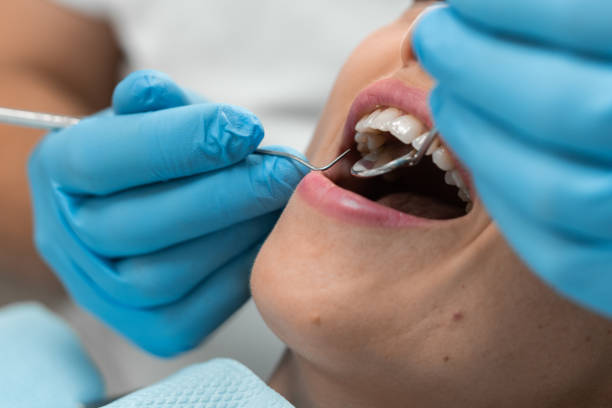
Maintaining healthy teeth requires more than just occasional brushing. Effective Teeth Cleaning in Abu Dhabi is a combination of proper techniques, consistent habits, and understanding how to care for different areas of the mouth. By mastering these techniques, individuals can achieve a cleaner, healthier smile and prevent long-term oral problems.
Importance of Effective Teeth Cleaning
Effective teeth cleaning goes beyond surface-level cleanliness. It helps prevent plaque buildup, tooth decay, gum inflammation, and bad breath. Teeth are constantly exposed to bacteria from food and drinks, which can form plaque if not properly managed. By using effective cleaning techniques, both children and adults can maintain oral health and support overall well-being.
Proper teeth cleaning also enhances the appearance of teeth, reducing discoloration and keeping the enamel smooth. Consistent cleaning contributes to fresh breath and promotes confidence in social and professional interactions.
Brushing Techniques for Maximum Cleanliness
Brushing is the cornerstone of effective teeth cleaning. Using a soft-bristled toothbrush helps avoid damage to the enamel and gums while still removing plaque effectively. The angle of brushing is crucial. Holding the brush at a 45-degree angle to the gums allows bristles to reach the junction between teeth and gums, where plaque often accumulates.
Gentle, circular motions are more effective than vigorous back-and-forth strokes, which can miss plaque and irritate the gums. Covering all tooth surfaces, including the front, back, and chewing areas, ensures comprehensive cleaning. Brushing should last at least two minutes to allow sufficient contact time with each area of the mouth.
Flossing for Hard-to-Reach Areas
Flossing complements brushing by cleaning spaces between teeth where bristles cannot reach. Sliding the floss gently along the sides of each tooth and beneath the gumline removes trapped food particles and plaque.
Consistency is key. Regular flossing reduces the risk of cavities between teeth and supports healthy gums. Using the proper technique, rather than forcing the floss, prevents gum injury and ensures maximum effectiveness.
Interdental Tools for Enhanced Cleaning
In addition to floss, interdental brushes or soft picks can enhance cleaning between teeth, especially for individuals with larger gaps or dental appliances. These tools reach areas that regular floss might miss, improving overall oral hygiene.
Regular use of interdental tools helps maintain healthy gums and prevents plaque accumulation in challenging areas. Choosing the correct size and gently maneuvering the tools ensures effectiveness without causing discomfort.
Tongue Cleaning for Complete Oral Hygiene
The tongue harbors bacteria that contribute to bad breath and plaque formation. Using a tongue scraper or the back of a toothbrush to clean the tongue removes bacteria and food debris.
Cleaning the tongue should be done gently from the back to the tip. Incorporating this technique into a daily routine enhances overall oral cleanliness and contributes to fresher breath.
Rinsing Techniques for Added Protection
Rinsing with water after meals helps wash away food particles and reduce acidity in the mouth. Although rinsing alone is not a substitute for brushing and flossing, it supports oral hygiene between cleanings.
In some cases, using non-medicated rinses can help distribute natural saliva, which neutralizes acids and maintains a balanced oral environment. Rinsing ensures that areas missed during brushing are given additional attention.
Regular Professional Cleaning for Optimal Results
Even with perfect home techniques, professional teeth cleaning is essential for removing hardened plaque and tartar. Dental professionals use specialized tools to clean areas beyond reach at home, ensuring comprehensive oral care.
Regular professional cleanings complement home techniques, maintaining a healthy mouth and reducing the risk of long-term dental issues. Combining professional care with proper daily routines maximizes effectiveness.
Timing and Frequency for Effective Cleaning
Cleaning teeth at the right frequency is as important as the technique itself. Brushing twice a day and flossing once daily provides consistent maintenance. Additional attention after sugary or acidic meals helps prevent plaque formation.
For children, teaching the importance of regular brushing and proper technique early on establishes lifelong habits. Parents can supervise to ensure that all areas are cleaned effectively and that techniques are followed correctly.
Encouraging Consistency in Oral Hygiene
Consistency is vital for effective teeth cleaning. Establishing a routine for brushing, flossing, and tongue cleaning helps ensure that teeth remain healthy. Positive reinforcement and habit formation encourage children and adults to maintain regular oral care practices.
Using reminders, setting a specific brushing schedule, and integrating oral hygiene into daily routines strengthen consistency. Over time, these practices become automatic, supporting long-term dental health.
Frequently Asked Questions
What is the most effective brushing technique?
The most effective brushing technique involves using a soft-bristled toothbrush, holding it at a 45-degree angle to the gums, and making gentle circular motions across all tooth surfaces. Brushing for at least two minutes ensures thorough cleaning.
How does flossing improve cleaning?
Flossing reaches areas between teeth where brushes cannot reach, removing trapped food and plaque. Consistent flossing helps prevent cavities and gum problems in tight spaces.
Are interdental tools necessary?
Interdental tools can enhance cleaning, particularly for individuals with gaps, braces, or dental appliances. They remove debris and plaque that floss may miss, supporting overall oral hygiene.
Why is tongue cleaning important?
The tongue can harbor bacteria that contribute to bad breath and plaque formation. Regular tongue cleaning reduces bacterial buildup and helps maintain fresher breath.
How often should professional cleaning be done?
Professional cleaning complements daily home care and removes hardened plaque and tartar. Routine visits help maintain oral health and prevent long-term dental problems.