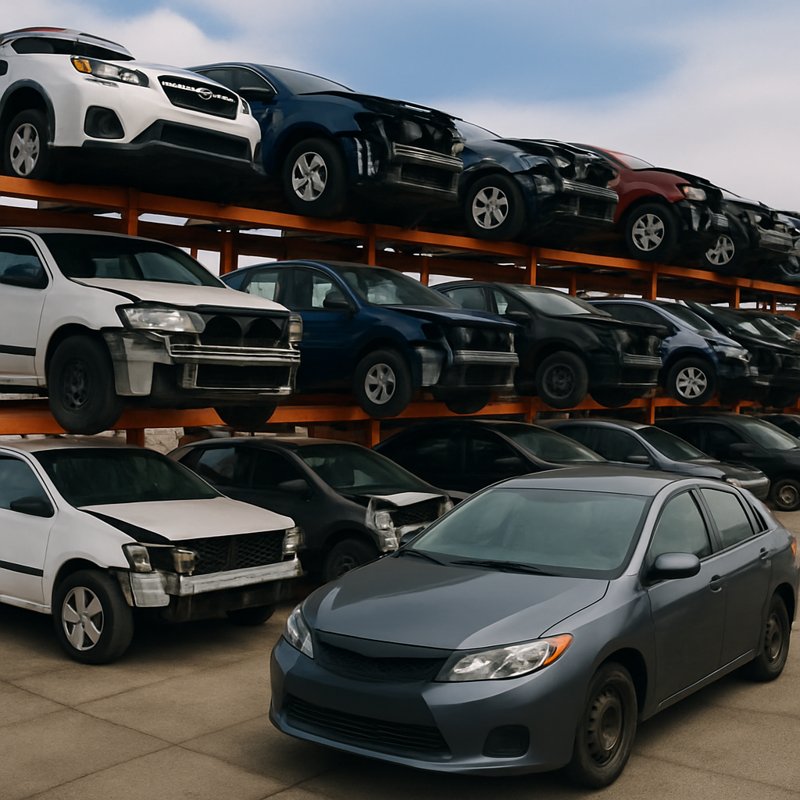
Selling an unwanted vehicle can feel tiring, especially when you are unsure where to begin. Many owners try private listings, long phone calls, and weekend inspections with buyers who never show up. Others deal with repair quotes that rise higher than the worth of the vehicle. This is why many people turn to a local service that purchases old, damaged, or unused vehicles. When you know how the process works, the entire experience becomes far easier to handle.
This guide explains what you can expect from start to finish. Every section stays focused on the main intent and includes real industry facts that match how things work across Australia.
Why Australians Turn to This Type of Service
Every year, Australia sends hundreds of thousands of retired vehicles into dismantling and recycling routes. A large number reach this point due to engine breakdowns, major collisions, rust in structural sections, or simply ageing past the point of safe use. When the repair cost rises beyond what the vehicle is worth, most owners search for a way to move it out of the driveway without sinking more money into it.
A Cash for car near by service suits this situation because these businesses collect vehicles in any shape. They purchase cars that run, do not run, hold damage, or have been sitting idle for years. Even the oldest models still contain metal, wiring, wheels, and other parts that hold demand within recycling networks across the country.
Step One: Reaching Out to the Team
The first stage begins when you contact the service. Most people do this by phone or through an online form. You share a few details so the assessor can understand the condition of your vehicle. These usually include:
-
Make and model
-
Year of manufacture
-
General condition
-
Odometer reading
-
Whether the vehicle has registration
-
Whether it starts, drives, or is stuck
The team uses this information to form an initial view before they arrive. Some vehicles hold extra demand because they contain parts that fit common models. Others contain metals that hold steady demand in local markets. The team studies global and local metal conditions because scrap steel and aluminium prices change often. This early stage is a routine part of how Sydney auto removal services understand the worth of each vehicle.
This early discussion also helps the team prepare the right truck. Large utes and four-wheel drives need heavier towing gear. Small passenger vehicles need a lighter tilt-tray truck.
Step Two: Receiving a Quoted Amount
After reviewing your information, the assessor sends you a quoted amount. This figure is influenced by several factors:
1. Weight and Metal Content
Most vehicles contain large amounts of steel. Many newer models also hold more aluminium, which often attracts higher buyer interest due to its reusability. Vehicles with heavier bodies or strong frames often bring higher figures because the metal yield is greater.
2. Parts With Demand
Some parts still hold life even after the vehicle has reached the end of its driving days. Workers at dismantling yards remove items such as:
-
Doors
-
Alternators
-
Wheels
-
Tyres
-
Starter motors
-
Radiators
-
Bonnet panels
-
Gearboxes
These parts move into the second-hand market for workshops and owners who need low-cost replacements.
3. Current Scrap Trends
Australian scrap metal prices shift all year. When construction activity rises or overseas buyers place larger orders, metal demand increases. During these periods, the quoted amount you receive may be higher.
4. Distance and Location
Travel distance affects the final figure. A shorter trip for the towing truck lowers transport cost and may increase the amount offered.
Step Three: Setting a Pick-Up Time
Once you accept the quoted figure, the next step is selecting a pick-up time. Many services operate throughout the week because people have different schedules and do not always have free time during weekdays.
You confirm:
-
Where the vehicle is parked
-
Whether access is limited
-
Whether the tyres are flat
-
Whether the vehicle can roll
This helps the team prepare the correct equipment. Some vehicles have wheels that are locked or cannot move, so the operator brings winches, skates, or other tools for a safe load.
Step Four: Getting Your Documents Ready
Before the pick-up day, it helps to gather the documents you may need. These usually include:
-
Proof of identity
-
Registration papers
-
Keys, if they still exist
-
Any document showing you are the owner
If the registration papers are missing, your licence and any link to the vehicle is normally acceptable. The good news is that you do not need a roadworthy certificate. You also do not need to repair, clean, or prepare the vehicle in any special way. These businesses purchase vehicles exactly as they are.
Step Five: Pick-Up Day and Payment
During the scheduled visit, the towing team arrives and inspects the vehicle. They check that the condition matches what you shared earlier. Once confirmed, payment is processed on the spot. Australian guidelines encourage electronic transfers for safer records, so many services use bank transfer rather than cash.
After payment, the operator begins loading the vehicle. They may use lifting straps, winches, tilt-trays, or wheel lifts depending on the condition. A typical loading process takes around ten to twenty minutes. Once the vehicle is secure, you sign a handover form confirming the sale.
The truck then leaves with your vehicle, and your part of the process is complete.
Call now for your free quote and turn your unwanted vehicle into instant payment today.https://www.cashforcarnearby.com.au/
Step Six: What Happens After the Vehicle is Collected
Once your vehicle reaches the facility, it enters several stages that support recycling across Australia.
Fluids are Drained Safely
Vehicles contain fluids that cannot enter soil or waterways. Workers drain:
-
Engine oil
-
Coolant
-
Fuel
-
Transmission fluid
-
Brake fluid
-
Power steering fluid
-
Air conditioning gas
These fluids are placed in marked containers and transported to licensed treatment sites. For example, used oil may be processed into fuel for industrial burners.
Parts are Removed for Reuse
Skilled workers remove parts that still hold use. These items enter markets that supply mechanics and owners who need budget-friendly replacements. Reusing parts extends the lifespan of materials and lowers waste.
The Body Shell Moves to Metal Recovery
Once parts are removed, the remaining shell is crushed and transported to shredders. Large machines break the shell into small fragments before magnets and sorting tools separate steel, aluminium, and other metals.
In Australia, around 85 to 90 percent of a typical vehicle can be recovered. Recovered metal enters supply chains that support building projects, machinery production, and manufacturing.
Recycling metal reduces the need for large-scale mining and lowers carbon emissions. For example, reusing steel can save more than 70 percent of the energy required to create new steel.
Helpful Facts About the Vehicle Recycling Sector in Australia
-
Australia recycles hundreds of thousands of vehicles every year.
-
Steel makes up around three-quarters of the weight of most older vehicles.
-
Modern vehicles often contain higher levels of aluminium for lighter design, increasing recycling usefulness.
-
Catalytic converters contain valuable metals such as palladium and platinum.
-
Reusing metal supports thousands of workers across the country in transport, dismantling, and processing roles.
Final Thoughts
Selling an unwanted vehicle does not need to drain your time or energy. When you understand each stage, you gain a clear view of what will happen and how your vehicle will be handled after it leaves your property. You also play a part in Australia’s growing recycling efforts by allowing your old vehicle to be broken down into materials that support new projects and industries.
A local service that purchases old vehicles offers a direct path for anyone ready to clear space on their property, collect a fair payment, and move on from a vehicle that no longer serves them. With the steps explained above, you can approach the process with confidence and know exactly what to expect from beginning to end.