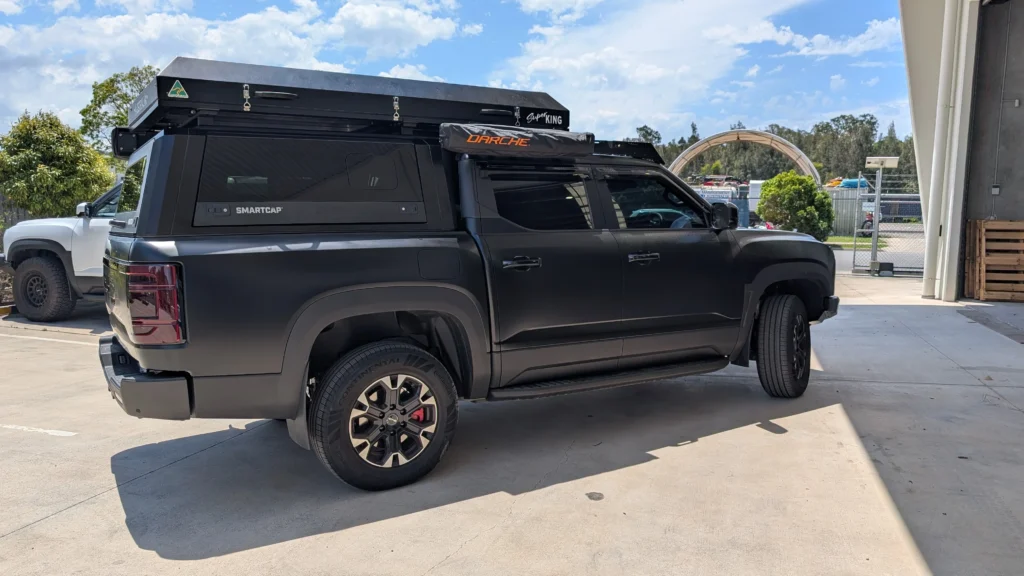
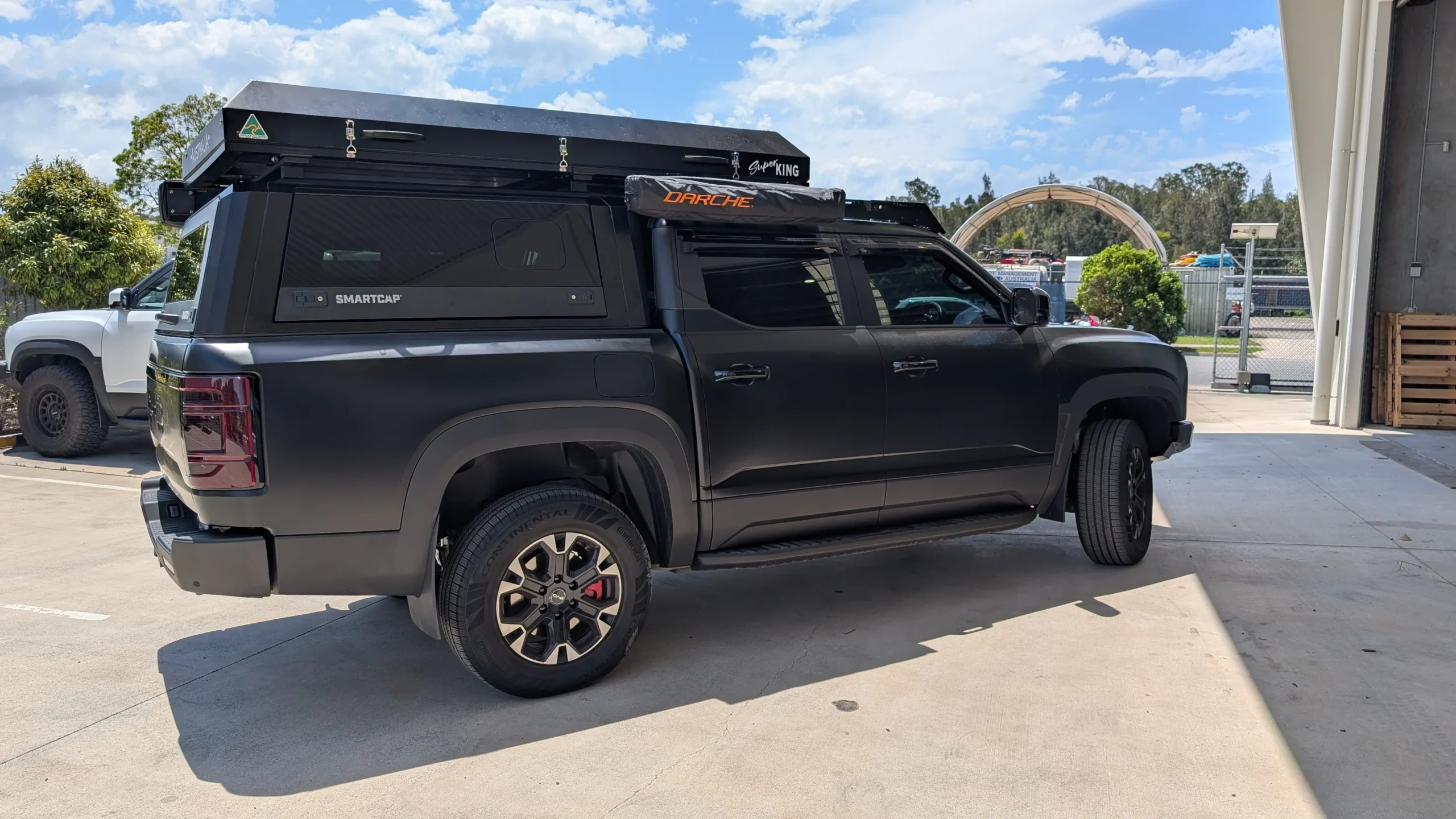
When you choose a roof rack for the BYD Shark, you make a decision that impacts daily driving, long road trips, and how you carry gear. A roof rack may look like a simple add-on, but it plays a major role in vehicle safety, load management, aerodynamics, and overall utility. With MAKA Offroad’s focus on properly engineered and vehicle-specific systems for roof racks and load solutions, you gain a reliable guide for what matters most before you commit to a purchase or installation.
Understand Your Needs First
Before you start comparing roof rack models, define what you want to carry. Are you transporting bikes, a rooftop tent, kayaks, or trade gear like ladders and sheets of timber? The answer determines the type of rack system you require and how much load capacity it must safely handle.
A roof rack’s role goes beyond holding cargo. It affects how your BYD Shark performs in wind, how it handles weight up high, and how easily you can load and unload gear. Modern BYD Shark roof rack and load systems allow you to tailor the solution to your activities rather than forcing a one-size-fits-all approach.
Prioritize Compatibility with Your BYD Shark
The first practical step is verifying that the roof rack system fits the structure of the BYD Shark. Some SUVs have built-in mounting points or factory roof rails. Others may have a flush roof that requires specific clamps or mount adapters. Always make sure your roof rack system comes with vehicle-specific mounting hardware to avoid improper fitment that can damage the roof or compromise safety.
MAKA Offroad only fits vehicle-specific roof rack systems from proven manufacturers and ensures the correct load ratings and mounting methods. This means the rack will match the Shark’s roof contours and attachment locations, rather than a universal fit that may stress the roof structure or leave gaps that cause noise.
Know Your Load Limits
Every vehicle has a recommended roof load limit set by the manufacturer. For the BYD Shark, the owner’s manual lists both dynamic and static limits for roof racks. For example, the roof system may be rated around 75 kg dynamic and 300 kg static, including the rack and any accessories or gear you carry. Exceeding these limits can destabilize the car, increase stopping distances, and even damage suspension components.
Dynamic load refers to weight you carry while driving, and it must always stay within limits to avoid affecting handling. Static load refers to how much weight the roof and rack can support when stationary, such as setting up a rooftop tent. Always account for the weight of the rack itself and any accessories when calculating your total load.
MAKA Offroad’s specialists assess dynamic versus static load limits before recommending or fitting a roof system. This ensures your selection aligns with both safety requirements and how you plan to use the rack.
Material Matters: Strength, Weight, and Durability
Roof racks come in different materials, each with its advantages.
Aluminium offers a strong strength-to-weight ratio, resists corrosion, and keeps added weight down — a valuable trait for an electric SUV like the BYD Shark, where reducing weight helps preserve driving range. Aluminium also makes installation easier and poses less stress on the roof overall. In contrast, steel provides heavy-duty strength, often at a higher weight and with more potential for corrosion in harsh climates.
MAKA Offroad partners with brands that offer a range of materials, including aluminium platforms and hybrid steel-aluminium options, suitable for touring, overlanding, or trade use. You should pick a material that matches your intended load, environment, and maintenance willingness.
Think About Aerodynamics and Range
On an electric vehicle like the BYD Shark, aerodynamics and energy use matter. Adding a roof rack changes airflow and increases wind resistance. This added drag can reduce the driving range more noticeably at highway speeds. Removing or streamlining the rack when it is not in use helps preserve efficiency.
A basic bar rack will generally have a smaller impact on efficiency than a large platform or fully loaded rooftop tent, but even small differences can add up on long trips. Look for designs that prioritize airflow and minimize unnecessary frontal area if range and energy use are key priorities for you.
Installation: Professional Fitment Pays Off
Roof racks can look straightforward to install, but improper installation can lead to rattles, damage to weather seals, or an insecure load system. Users often report excessive noise or looseness when racks are mounted without proper torque settings or correct brackets.
MAKA Offroad offers professional installation and fitment. Their team understands the unique roof structures and load dynamics of the BYD Shark, ensuring each component mounts securely. This process also includes routing for accessories like lighting, wiring channels for solar panels, or accessories such as rooftop tents.
Noise, Handling, and Practical Daily Use
Adding gear above the roofline changes how your vehicle feels and sounds. Wind noise increases with higher speeds, and heavy loads can affect handling and rollover resistance. Before buying a roof rack, imagine how often you will use it and whether you will leave it on the vehicle year-round.
Some brands specialize in quieter, more aerodynamic systems that reduce noise while still providing reliable load-carrying capacity. MAKA Offroad helps you choose systems based on real-world usability, not just maximum load figures, so your daily commute stays comfortable while still offering adventure readiness.
Accessory Compatibility and Modularity
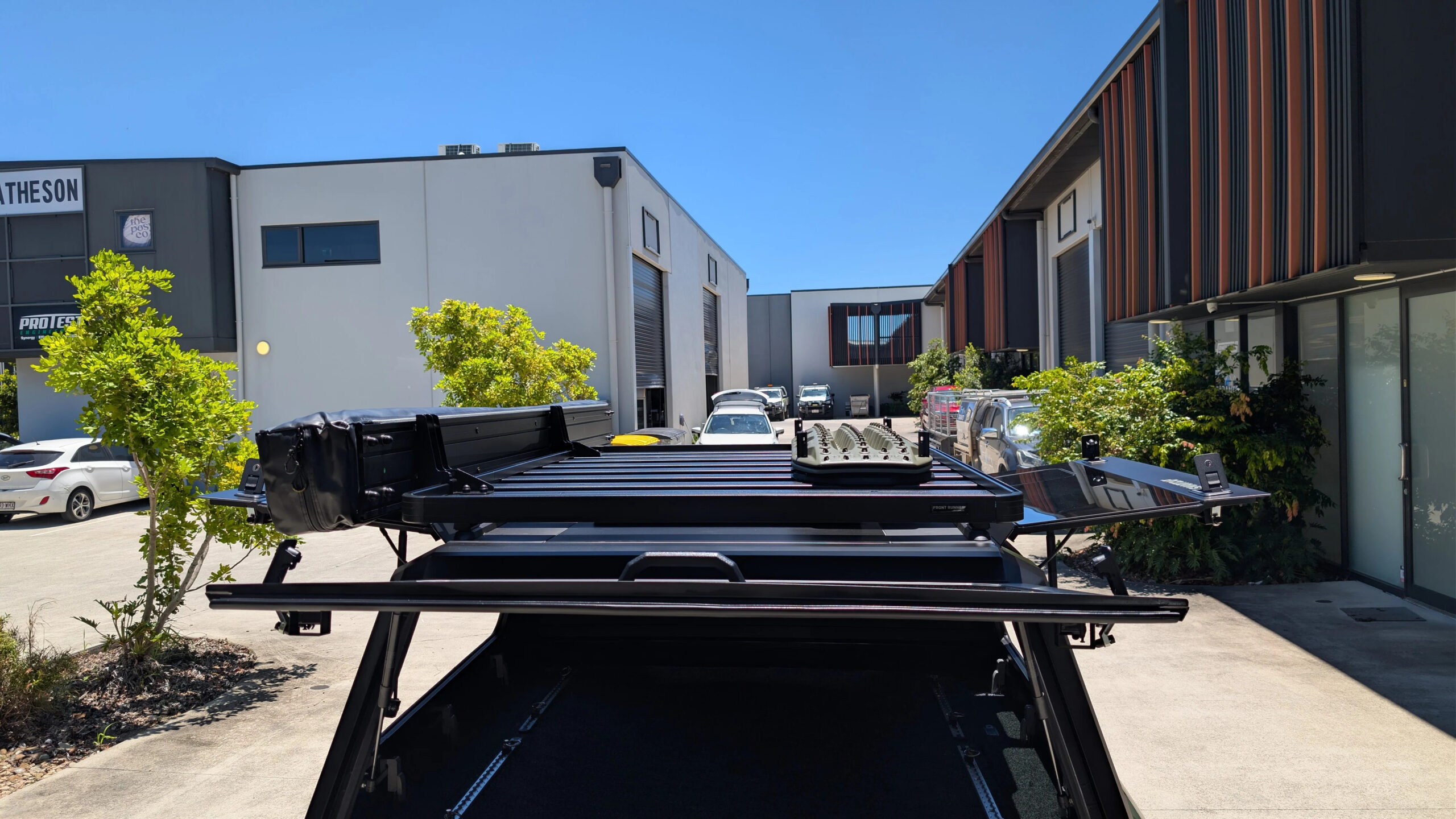
You should also consider how modular your roof rack can be. Will it work with bike racks, cargo boxes, light bars, solar panels, or rooftop tents? A roof rack that allows easy attachment of accessories without requiring new crossbars or drilling adds value to your purchase.
MAKA Offroad’s recommended systems from brands like Rhino-Rack, ARB, and Front Runner offer modular options with accessory mounts, making it easier to customize your setup for different trips and cargos.
Warranty and Aftercare Support
Your roof rack should come with a warranty covering defects or premature failure. MAKA Offroad backs installations with a 12-month fitment warranty plus the manufacturer warranty on the rack itself, giving you confidence that any issues will be addressed promptly.
Conclusion: Choose Thoughtfully
Choosing a roof rack for your BYD Shark matters more than you might think. It affects safety, energy use, handling, noise, and long-term satisfaction. A high-quality system fitted by professionals like those at MAKA Offroad ensures you get a solution that fits your lifestyle, works with your vehicle, and doesn’t compromise performance. Prioritize compatibility, load limits, material quality, installation expertise, and accessory options to get the most out of every adventure.