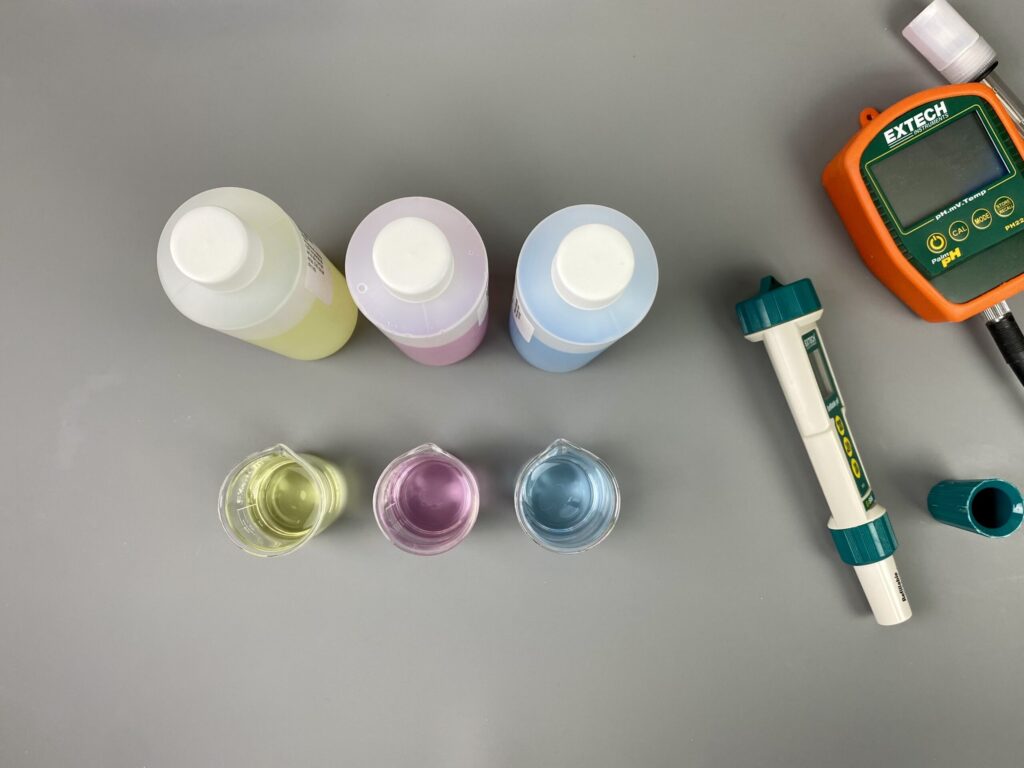
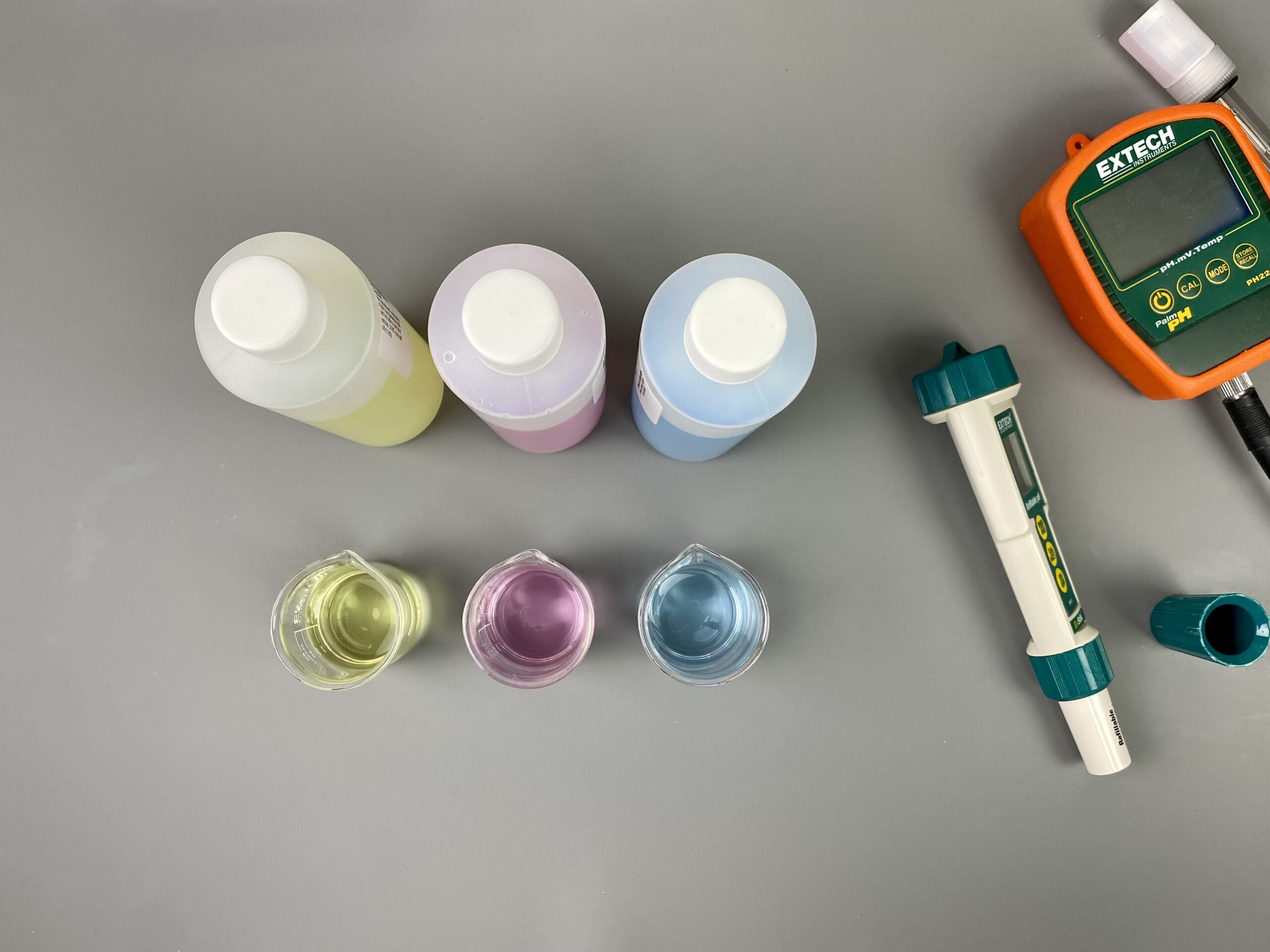
Accurate meter readings are essential for laboratories, industrial monitoring, and quality control processes. Using the right tools ensures measurements remain precise and repeatable, reducing errors that could compromise outcomes. The pH Calibrating Buffer is critical for adjusting pH meters, verifying readings against known values. Alongside buffers, reference electrodes, precision voltage tools, and temperature compensation devices help maintain high standards. Incorporating these tools supports consistent performance across diverse measurement devices, making calibration reliable and traceable for laboratory staff, industrial technicians, and quality control specialists alike.
Essential Calibration Tools for Meters
Effective calibration requires specialized tools beyond the meter itself. Essential instruments include:
- High-quality standard solutions
- Reference electrodes for pH meters
- Conductivity standard solutions
- Thermometers and temperature probes
- Calibration software for automated adjustments
These tools serve as benchmarks for measurement verification. Proper use reduces human error, ensures compliance with industry standards, and maintains repeatability across tests. Technicians achieve high-precision results by consistently integrating these instruments into their calibration workflow, supporting reliable readings across electrical, chemical, and environmental measurements.
pH Calibrating Buffers: Ensuring Accurate pH Measurements
pH meters are widely used in chemical, biological, and environmental monitoring applications. Accuracy depends on regular use of pH calibrating buffers with known values. These buffers correct electrode drift, stabilize readings, and prevent inconsistencies that could compromise results. Low, neutral, and high pH buffers allow calibration across the full measurement range. Correct storage and handling of these buffers prevent contamination and maintain stability. Routine calibration ensures reliable readings, supporting precise data collection and consistent results in laboratories and industrial settings.
Voltage and Current Calibration Tools
Electrical meters such as voltmeters, ammeters, and multimeters require precision tools to ensure accurate readings. Voltage references and current shunts provide stable, known points for verification. Calibration with these tools confirms that measurements match industry standards. Accurate electrical calibration is crucial for product performance, safety, and regulatory compliance. Consistent use reduces the likelihood of errors and ensures confidence in measurement results. These instruments allow technicians to maintain high precision across electrical testing and monitoring tasks, safeguarding quality in production and laboratory operations.
Temperature Compensation Devices
Temperature changes affect readings of sensitive instruments including pH and conductivity meters. Temperature probes and compensation devices correct measurements for environmental fluctuations, ensuring that results reflect true values. Factoring in temperature during calibration reduces errors caused by heat or cold. Controlled monitoring allows repeated calibration with consistent results. Implementing temperature compensation improves the reliability of measurements across laboratories and industrial sites. These devices are essential for maintaining high-precision readings and preventing cumulative errors that could affect long-term data accuracy or quality control outcomes.
Automated Calibration Systems
Automated calibration systems enhance precision, particularly in high-volume or complex testing environments. These systems:
- Automatically adjust meter readings
- Record calibration results
- Minimize human error
- Provide traceable documentation
- Integrate with laboratory management systems
Automation ensures repeatable and consistent results across multiple devices. By reducing manual steps, these systems save time, maintain accuracy, and improve data reliability. They are particularly valuable for regulated laboratories, industrial facilities, and quality control environments where documentation and traceability are critical.
Electrode and Sensor Maintenance Tools
Well-maintained electrodes and sensors are essential for accurate calibration. Cleaning kits, storage solutions, and inspection devices prevent fouling, drift, and damage. Proper maintenance extends electrode lifespan, reduces frequent calibration errors, and supports reliable measurements. Preventing contamination or wear ensures devices operate at peak performance. Integrating maintenance into calibration routines improves both accuracy and cost efficiency. Technicians benefit from reduced downtime, consistent readings, and longer-lasting instruments, making maintenance tools a crucial part of a comprehensive calibration process.
Software and Digital Tools for Precision
Calibration software enhances precision by logging measurements, analyzing trends, and recommending recalibration intervals. Digital platforms track meter performance, generate audit-ready reports, and reduce human error. Software integration allows easy documentation for regulatory compliance. Data-driven tools ensure accurate scheduling of calibrations and help identify deviations over time. Combining software with physical calibration instruments supports a structured approach, ensuring reliable measurements and proper records. Labs and industrial facilities achieve higher accuracy, efficiency, and accountability by incorporating digital tools into routine calibration procedures.
Calibration Accessories and Support Tools
Accessories improve calibration quality and efficiency, including:
- Beakers and containers with precise volume markings
- Magnetic stirrers for uniform solution mixing
- Timers for consistent measurement durations
- Labels and documentation tools for traceability
- Protective covers to stabilize environmental conditions
These tools create controlled, repeatable environments necessary for accurate calibration. Precise handling, solution uniformity, and consistent measurement timing enhance measurement reliability. Accessories also support proper documentation and traceability, which are critical for audits and quality control processes in laboratories and industrial applications.
Best Practices for Precise Calibration
Adhering to best practices ensures calibration accuracy. Fresh standard solutions, tool verification, and adherence to manufacturer guidelines are fundamental. Maintaining environmental control, including temperature and humidity, reduces variability. Detailed documentation enables traceability and simplifies audits. Consistent calibration routines minimize errors, extend instrument life, and improve data reliability. Structured processes support reproducibility, providing technicians with confidence that measurements are precise and compliant with regulatory standards. These practices establish a robust framework for repeatable and trustworthy calibration outcomes.
Conclusion
Precision in meter calibration relies on a combination of tools, maintenance, and procedural discipline. pH Calibrating Buffers, reference instruments, temperature compensation devices, and automated systems support accurate readings. Proper maintenance, software tools, and accessories enhance measurement consistency and reduce errors. Following best practices ensures reliable, repeatable, and audit-ready results across laboratories, industrial environments, and quality control operations. Structured calibration routines strengthen confidence in readings, improve operational efficiency, and uphold regulatory compliance for organizations that depend on high-precision measurements.
FAQs
How often should pH meters be calibrated?
Calibration frequency depends on usage and required accuracy. Daily calibration is recommended for high-precision applications.
What tools are used for precise electrical meter calibration?
Voltage references, current shunts, and precision multimeter standards ensure electrical meters are accurate.
Can temperature changes affect meter readings?
Yes, temperature compensation devices adjust for environmental fluctuations, ensuring accurate measurements.
Why choose automated calibration systems?
Automation reduces manual error, maintains traceable records, and provides repeatable results across devices.
How important is electrode maintenance?
Cleaning, storage, and inspection prevent drift, extend electrode lifespan, and ensure consistent calibration results.