Windows are the eyes of the home. They welcome natural light, frame outdoor views, and play a key role in shaping the overall look and feel of any living or working space. Over time, they require proper care, regular maintenance, and suitable dressing to maintain their form, function, and visual appeal.
When it comes to dressing windows in London homes and commercial properties, blinds stand out as one of the most practical and preferred choices. From apartments and townhouses to offices and retail spaces, blinds are valued everywhere because of their versatility, affordability, and modern appearance. From improving privacy and managing sunlight to enhancing comfort and setting the right ambience, blinds perform multiple roles at once.
Types of Blinds and Their Importance
Blinds are among the most reliable window treatments because they strike a balance between style and functionality. However, choosing the right type of blinds is not always straightforward. With so many materials, designs, and operating mechanisms available, the selection process can feel confusing, especially for first-time buyers.
Understanding the pros and cons of different blind types can help you make practical, informed, and budget-friendly decisions. Below is a detailed overview of the most common types of blinds, along with their benefits and limitations.
Venetian Blinds
Venetian blinds are one of the most versatile window treatments available. They feature horizontal slats connected by cords or fabric tapes, allowing easy adjustment of light and privacy. These blinds are commonly made from wood, PVC, or aluminium and are available in a wide range of colours, finishes, and sizes.
Because of their flexibility and customisation options, Venetian blinds are often chosen as bespoke blinds for London homes where window sizes, layouts, and interior styles vary greatly.
Pros
- Their biggest advantage is versatility, as they are suitable for almost all window types
- Offer excellent control over light by tilting the slats as needed
- More durable than traditional fabric curtains and resistant to moisture and heat
- Easy to clean and requires minimal maintenance
Cons
- Horizontal slats tend to collect dust quickly and need regular cleaning
- Provide limited insulation compared to thicker fabric blinds
Roller Blinds
Roller blinds consist of a single piece of fabric that rolls up and down around a tube. They operate using a spring-loaded system or a chain mechanism, making them easy to use and reliable for daily operation.
They are available in a wide range of fabrics, including blackout, light-filtering, and decorative options. Their clean and simple design makes them a popular choice for modern interiors.
Pros
- Complement modern and minimalist interiors with a sleek appearance
- Available in different opacity levels to control light effectively
- Easy to clean and maintain, making them a cost-effective option
Cons
- Limited design and texture options compared to fabric-based blinds
- Less effective at providing insulation than Roman or cellular blinds
Roman Blinds
Roman blinds are stylish window coverings made from soft fabric panels. When raised, they fold neatly into even pleats, and when lowered, they lie flat against the window. They are operated using a cord system, making them easy to adjust.
These blinds are available in a variety of fabrics, allowing for better insulation and gentle light diffusion. Their elegant look adds warmth and character to living spaces.
Pros
- Provide a refined and sophisticated appearance
- Available in multiple fabrics, offering better insulation than roller and Venetian blinds
- Fold neatly when raised, saving space and keeping views unobstructed
Cons
- Less precise light control compared to Venetian blinds
- Fabric material makes them harder to clean and maintain
Vertical Blinds
Vertical blinds consist of individual vertical slats that hang from a track mounted at the top of the window. They are commonly made from PVC or vinyl and are especially suitable for large windows, patio doors, and office spaces.
The slats can be rotated using a cord or wand, allowing easy control over light and privacy.
Pros
- Ideal for wide windows and sliding doors
- Easy to adjust light levels and airflow
- Space-efficient and practical for commercial settings
Cons
- Slats can be prone to damage over time
- May offer reduced privacy if not properly aligned
Cellular Blinds
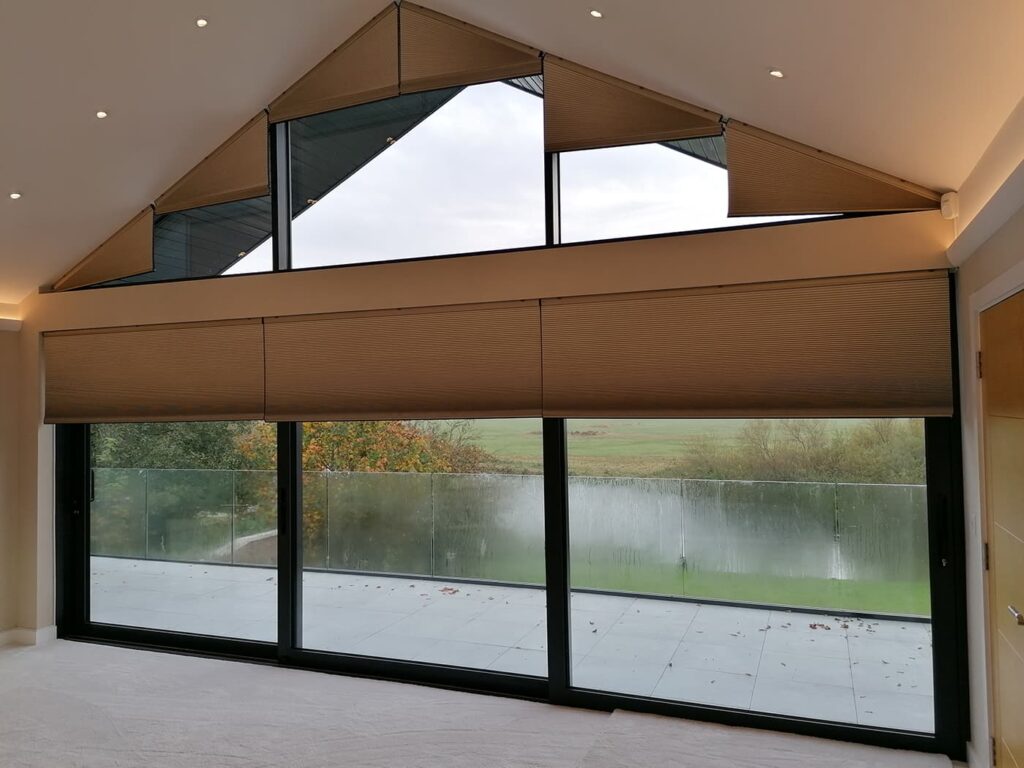
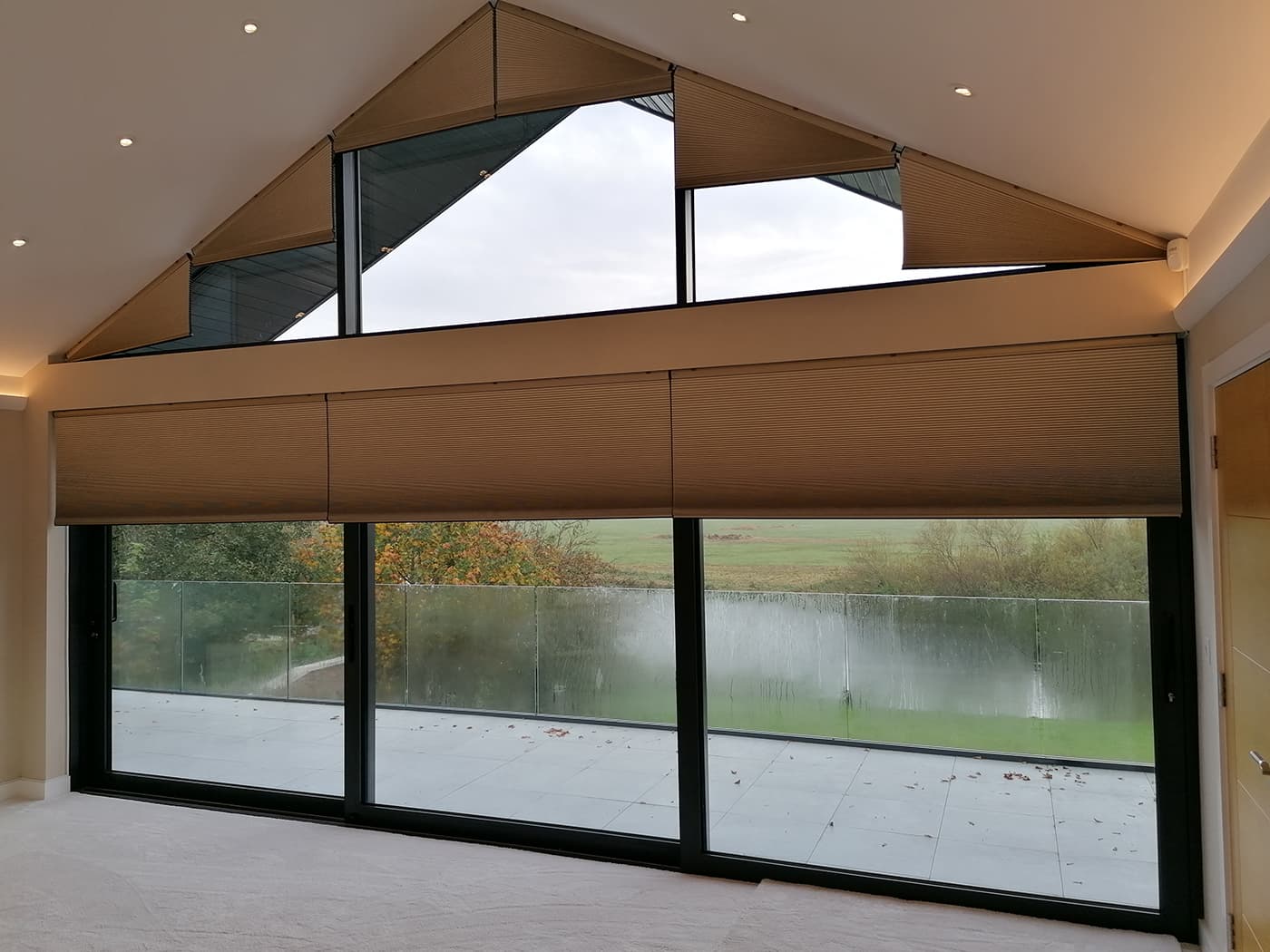
Cellular blinds, also known as honeycomb blinds, feature a unique layered structure that traps air within their cells. This design improves insulation, helps regulate indoor temperatures, and enhances energy efficiency.
They are a popular choice for both residential and commercial buildings, particularly for homeowners looking for made-to-measure blinds in Kingston Upon Thames. They play a key role in energy savings and enhancing overall comfort.
Pros
- Excellent insulation due to air-trapping structure
- Provide effective light control options
- Help reduce external noise and improve indoor comfort
Cons
- More expensive than most other types of blinds
Final Verdict
Each type of blind discussed above is designed to meet specific needs and comes with its own advantages and drawbacks. By understanding these differences, you can confidently choose the option that best fits your space, lifestyle, and budget without compromising on practicality or style.