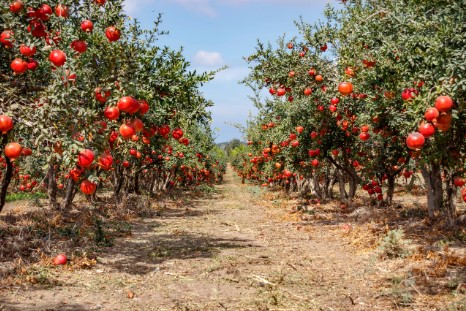
Choosing the right plants for your garden requires more than just preference or aesthetics. Gardeners often struggle to identify which varieties will thrive in their specific environment. Selecting suitable fruit trees depends on understanding your local climate, soil composition, and seasonal conditions to ensure consistent growth and optimal yields. Factors such as temperature tolerance, sunlight requirements, and soil drainage play crucial roles in determining success. By carefully analyzing these aspects, you can make informed decisions that reduce plant stress, prevent disease, and maximize fruit production. This guide helps you identify the best options for a flourishing garden. Understanding these factors also allows you to plan for long-term care and maintenance effectively, and you can create a garden that remains productive and resilient throughout the seasons.
Understanding Climate Requirements for Fruit Trees
Different trees have varying tolerance to temperature, frost, and humidity, making climate analysis essential. For instance, citrus trees prefer warm, subtropical climates, whereas apples and pears require cooler temperatures and winter chilling periods to produce fruit. Gardeners should consider frost dates, average rainfall, and seasonal temperature fluctuations when selecting species. Microclimates, such as shaded corners or south-facing slopes, also influence growth. Matching the right fruit trees to your specific climate ensures stronger roots, better flowering, and higher yields, while reducing the likelihood of stress-related diseases or poor fruiting due to unsuitable environmental conditions.
Soil Type and Its Impact on Growth
Soil composition directly affects water retention, nutrient availability, and root development for fruit trees. Sandy soils drain quickly but may require frequent fertilization, while clay soils retain water but can lead to root rot if drainage is poor. Loamy soils, with balanced sand, silt, and clay, are generally ideal for most fruit-bearing trees. Testing soil pH and amending it with organic matter can enhance tree health. Understanding how your soil interacts with different species allows you to choose trees that naturally thrive without excessive intervention, providing a strong foundation for long-term growth and fruit production.
Matching Fruit Trees to Your Garden Space
Selecting the correct trees also depends on available space and intended use. Dwarf or semi-dwarf varieties are suitable for small urban gardens or container planting, while standard trees need more room for roots and canopy expansion. Vertical growth techniques, espalier methods, and proper spacing help optimize yields even in limited areas. Additionally, considering pollination requirements is important; some species require cross-pollination, while others are self-fertile. Aligning tree selection with garden layout and space constraints ensures that your trees remain healthy, productive, and manageable without overcrowding or competition for nutrients.
Tips for Long-Term Success
Maintaining proper watering schedules, regular pruning, and seasonal fertilization enhances the longevity and productivity of fruit trees. Mulching around the base helps retain soil moisture and suppresses weed growth, while pest management strategies protect the crop from damage. Observing growth patterns and adjusting care based on the tree’s response ensures optimal results. By combining climate knowledge, soil analysis, and attentive gardening practices, you can create a thriving orchard or backyard garden with high yields and minimal stress on your fruit trees, setting the stage for a sustainable, fruitful gardening experience.
Conclusion
Selecting the right plants is crucial for both beginner and experienced gardeners. Understanding environmental conditions and soil characteristics allows you to choose fruit trees that are naturally suited to your space, climate, and maintenance preferences. Combining careful selection with proper care maximizes growth, health, and fruit production. For those seeking specific varieties, purchasing a pomegranate tree for sale from reputable suppliers ensures quality, healthy stock, and a head start in cultivating a successful fruit garden. Thoughtful choices and consistent care make your orchard both productive and rewarding over time.