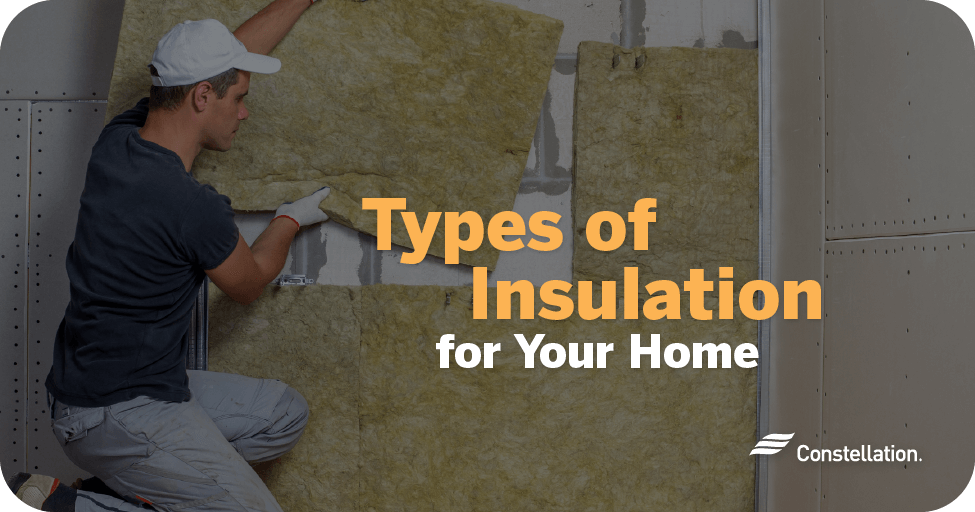
Installing insulation is a worthwhile investment that will help prevent heat from entering your home over the long term. JARTON would like to introduce you to the different types of insulation so you can choose the one that’s right for your home.
Temperatures in our country seem to be rising every year, so many people are looking for ways to make their homes cooler, whether it’s planting trees around the house, installing awnings, or even installing air conditioners. Another method we’d like to recommend is installing heat insulation, which can be installed in both old and new homes. It effectively prevents heat from entering the home, making it a worthwhile investment in the long run.
Insulation installation pattern
Most often, insulation is installed on the roof to protect from direct heat from the sun, but it can also be installed on the walls of a house to help block heat from the walls, keep the house cool, and help absorb outside noise. Insulation can be either slowed down or reflected. Installation on the roof takes many forms, depending on the type of insulation, as follows:
Installed above the ceiling
Insulation installed above the ceiling will help to prevent heat from flowing into the room below. The attic space should also have ventilation holes to transfer heat to the outside and prevent excessive accumulation under the roof. Insulation installed above the ceiling comes in many forms, including sheets and rolls for easy placement above the ceiling. Some types are also attached to the ceiling panels themselves.
Installed under the roof
Insulation installed under the roof provides the best heat protection because it prevents heat from above from accumulating under the roof of the house. Some types of insulation installed under the roof have the limitation of having to be installed at the same time as the roof construction, but some types can be installed in the purlin space, including spray-on types, which can be installed later.
Installed on the roof surface
Insulation installed on the roof surface includes heat-reflective paint, which helps reflect heat and prevents it from entering the area under the roof of the house. It is recommended to use it in conjunction with other types of heat-reducing insulation, as stains on the roof surface will reduce its heat-reflective efficiency.
Fiberglass insulation
It is a thick sheet. Inside is made up of small fiberglass strands that are bonded together to form air pockets. This material traps heat inside. It is a low heat conductor, non-flammable, and also helps absorb sound. It is a popular insulation that is easy to install, easy to find, and available in many brands and models. It is available in thicknesses from 2 to 6 inches. It is available in both bare and covered with heat-reflecting aluminum (covered on 1 or 2 sides, or wrapped around all sides). It is available in both roll and sheet forms for installation above the ceiling, under the roof, or on the wall. When choosing to use it, be careful about water leakage in the installation area because the fibers will collapse into dust when exposed to water, humidity, or being pressed. Moreover, during installation, the fibers may spread.
Pro Tip: Upgrade your home with professional Attic Space Insulation in Novato CA. Improve energy efficiency, reduce bills, and stay comfortable year-round. Click now for expert insulation services!
Polyurethane foam insulation
PU foam , or yellow foam, is a product of foam injection technology used to insulate against heat. It is a low-heat conductor material with water and moisture-repellent properties, and also helps block out sound. PU foam is available in both spray-on and sheet forms, as well as in forms that come with built-in ceiling panels. Currently, fire-retardant substances have been developed to be added to the material. Therefore, when choosing to use PU foam insulation, it is important to choose a type that includes a fire-retardant substance.
Cellulose insulation
Or paper pulp insulation is a spray-on insulation under the roof. It is made from recycled paper. The material can protect against heat and control temperature well. It is lightweight, soundproof, has flame retardant properties, prevents mold, and is not a food source for rats, termites, and cockroaches. It can be sprayed in narrow spaces on various surfaces, both steel and wood. However, the limitation is that the thickness of the insulation may not be consistent.
Aluminum foil insulation
Aluminum foil is a material that helps reflect heat away from the house. It is often installed under the roofing sheets at the same time as the roof is being constructed. It resembles food wrapping foil, but is thicker, tougher, and more durable. It is an inexpensive insulator that is easy to install, lightweight, non-flammable, and won’t mold when exposed to moisture. It also protects against UV rays. It is recommended to use aluminum foil in conjunction with other types of insulation to increase heat protection efficiency. Once installed, dust or stains can reduce its heat protection efficiency.
Polyethylene foam insulation
Or PE foam (PE) is another type of insulation that is popularly used in homes. It is more affordable than fiberglass insulation, is lightweight and tough, and consists of a thick, soft foam layer that helps slow down heat, and is covered with aluminum foil that helps reflect heat. PE foam comes in many models and brands, with thicknesses ranging from 3-25 millimeters. It can be installed both above the ceiling and under the roof panels. It comes in both rolls and sheets that fit the T-bar ceiling. If installing, choose PE foam that has been mixed with a fire retardant for safety.
Air bubble insulation
Or bubble foil, which appears as a roll similar to shock-absorbing plastic, has an air mass in the middle between the two foil sheets, giving it both heat-reducing and heat-reflecting properties. Air bubble insulation can be installed in a variety of ways, including above the ceiling and on the roof structure, either above the purlins or under the rafters, with wires strung to prevent it from sagging. It’s similar to PE foam, as the inner material is made from plastic (the type of plastic depends on the manufacturer). When installing, only the type mixed with fire-retardant substances should be used.
Polystyrene foam insulation
PS foam , or EPS foam , is an abbreviation for white foam. It has properties that insulate both heat and cold, is lightweight, highly flexible, and can withstand pressure well. PS foam is available as plain foam sheets and as sheets that come with built-in ceiling or wall panels, such as sandwich roof and wall panels (Sandwich Roof & Panel) , which are easy to transport and install quickly, reducing the steps in home construction. Currently, F-Grade EPS foam has been developed, which adds fire retardants to the material, making it safer and more suitable for construction work.
Rockwool insulation
It is made from volcanic rocks that are melted at high temperatures and spun into fibers, giving it high heat insulation, good sound absorption, fire resistance, and a long service life. Most are available with a thickness of 5 centimeters and are commonly used for soundproofing walls, but can also be installed as ceiling insulation. The name “rock wool insulation” may sound similar to “asbestos,” which is a hazardous substance. However, rock wool insulation does not contain any asbestos, making it safe for users. Rock wool insulation is not suitable for humid areas, such as for cold room walls.
Heat reflective paint ( Ceramic Coating)
It is a film-like material made by combining ceramic particles with acrylic and other ingredients, allowing it to reflect heat well, adhere to the surface, and absorb heat less. It is commonly used for spraying outside buildings, especially spraying to coat roofs and rooftops. In addition, some roofing tiles come with a heat-reflective coating, including some exterior paints that have this material mixed into the paint itself. Heat-reflective paint should be used in conjunction with other types of insulation to increase the efficiency of preventing heat from entering the house.