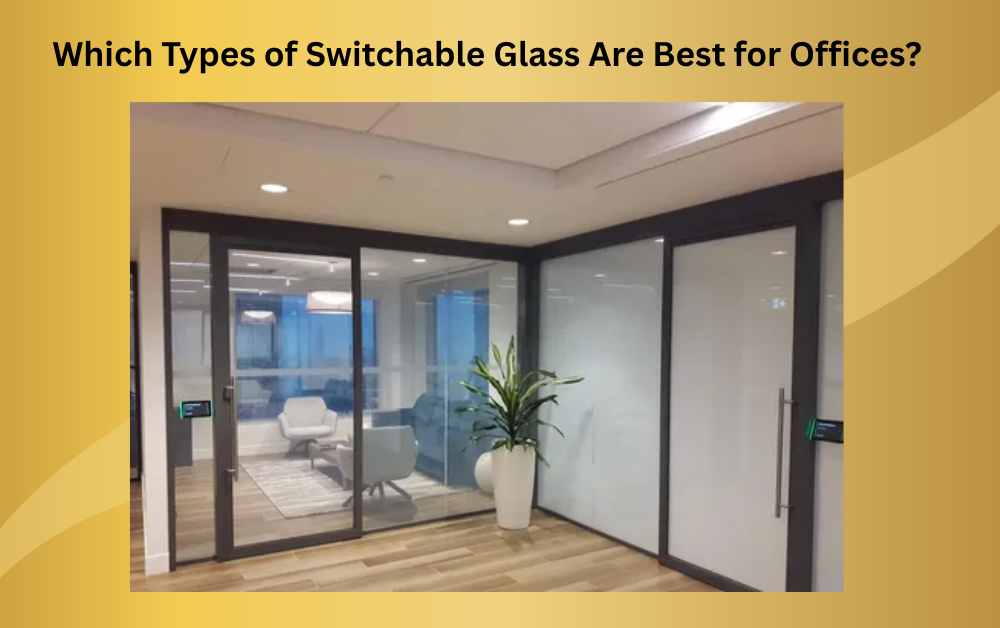
In modern office spaces, creating a comfortable and productive environment is very important. One of the latest trends in office design is the use of switchable glass. This innovative glass can change from transparent to opaque with the press of a button. It not only enhances privacy but also makes the office look modern and stylish. In this article, we will discuss which types of switchable glass are best suited for offices and why it is becoming a popular choice in workplaces.
Note: Switchable Glass Dubai offers modern, smart glass solutions that instantly change from transparent to opaque, providing privacy, style, and energy efficiency for homes and offices.
Understanding Switchable Glass and Its Importance
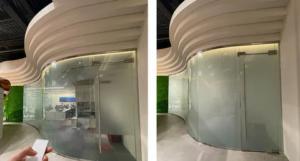
Switchable glass, sometimes called smart glass, is a type of glass that can change its transparency when electricity is applied. This allows it to switch between clear and frosted states instantly. For offices, this feature is extremely useful because it provides privacy when needed and transparency when collaboration is required.
Switchable glass is also energy-efficient. It helps in controlling the amount of sunlight entering the office, which reduces the need for air conditioning. This makes offices more environmentally friendly and reduces energy costs.
Different Types of Switchable Glass for Offices
There are several types of switchable glass available in the market, and each type has its own benefits. Choosing the right type depends on the office’s design, privacy needs, and budget.
1. PDLC Switchable Glass
PDLC, or Polymer Dispersed Liquid Crystal glass, is the most common type of switchable glass used in offices. It works by using liquid crystals that align when electricity is applied. When the glass is powered on, it becomes clear, and when powered off, it turns opaque.
PDLC glass is perfect for conference rooms, meeting areas, and executive offices. It allows employees to have privacy during confidential meetings and can be switched to transparent when openness is required.
2. SPD Switchable Glass
SPD, or Suspended Particle Device glass, works differently from PDLC. It uses tiny particles suspended in a film between glass layers. When electricity is applied, the particles align to make the glass clear. When the power is off, the glass appears dark or tinted.
SPD glass is ideal for offices that need both privacy and sun control. It helps in reducing glare on computer screens and protects employees from direct sunlight. This type of glass is often used in office facades and large windows.
3. Electrochromic Glass
Electrochromic glass changes its transparency gradually rather than instantly. It works by applying a small electric voltage that changes the color of the glass. This type of glass is suitable for offices that want a smooth transition between clear and tinted states.
Electrochromic glass is energy-efficient and helps in maintaining comfortable indoor temperatures. It is often used in executive offices, boardrooms, and high-rise buildings where controlling sunlight is important.
Key Factors to Consider When Choosing Switchable Glass for Offices
Selecting the right switchable glass for an office involves considering several factors. Here are the main points to keep in mind:
Privacy Needs
Think about how often your office needs privacy. Meeting rooms, HR offices, and executive offices require more privacy compared to open workspaces. PDLC glass is the best choice when instant privacy is needed.
Light Control
Offices require natural light for a pleasant work environment. SPD and electrochromic glass are excellent for controlling sunlight and reducing glare without completely blocking daylight.
Budget
Switchable glass is an investment. PDLC glass is usually more affordable, while SPD and electrochromic options are slightly more expensive. Consider your budget and the areas where glass is needed most.
Aesthetics
Switchable glass adds a modern and stylish look to offices. Choose glass that matches your office decor and enhances the overall appearance. Clear glass can make spaces look larger, while tinted or frosted glass adds elegance.
Installation and Maintenance
Proper installation is important for switchable glass to work effectively. Ensure that certified professionals handle the installation. Maintenance is simple; regular cleaning with soft cloths is enough to keep the glass in good condition.
Benefits of Using Switchable Glass in Offices
Switchable glass offers several advantages for offices:
-
Instant Privacy: Employees can switch the glass from transparent to opaque instantly when needed.
-
Energy Efficiency: Helps in reducing air conditioning costs by controlling heat from sunlight.
-
Modern Look: Enhances the office design and gives it a futuristic feel.
-
Better Collaboration: Transparent glass promotes open communication, while opaque glass provides confidentiality when required.
-
Reduced Noise: Some types of switchable glass also provide sound insulation, making offices quieter.
Conclusion
Choosing the right type of switchable glass for your office depends on privacy needs, light control, budget, and design preferences. PDLC glass is perfect for areas needing instant privacy, SPD glass works well for sun control and larger windows, and electrochromic glass offers smooth transitions with energy efficiency.
Switchable glass is not only functional but also adds a modern and stylish touch to office spaces. By selecting the right type, offices can improve privacy, comfort, and aesthetics while promoting a productive work environment.
Investing in switchable glass is a smart choice for any office looking to combine technology, efficiency, and design in a seamless way.
For more insightful articles related to this topic, feel free to visit: newsglo.com