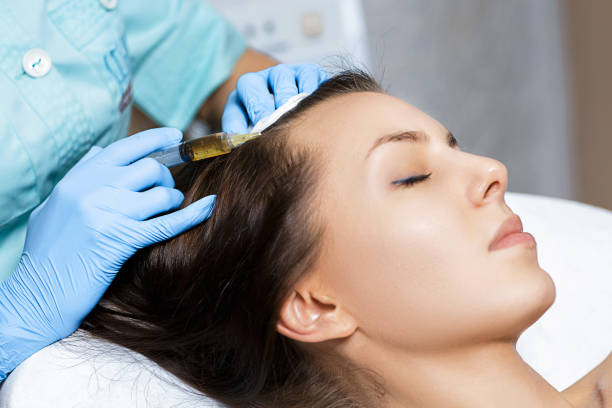
Platelet-rich plasma (PRP) therapy in Riyadh has gained significant attention in recent years due to its natural, non-surgical approach to treating hair loss and rejuvenating skin. This innovative treatment uses the patient’s own blood to stimulate hair growth, improve skin texture, and enhance overall appearance. The therapy is considered safe for many individuals, but understanding who can benefit the most is crucial.
PRP therapy is increasingly popular for those seeking natural hair restoration without the risks associated with surgery. Many patients report noticeable results in hair thickness and scalp health after consistent sessions. However, the ideal candidate is someone with realistic expectations, good overall health, and sufficient platelet levels in their blood.
Understanding PRP Treatment in Riyadh
PRP treatment in Riyadh(علاج الشعر بالبلازما الغنية بالصفائح الدموية) involves drawing a small amount of blood, processing it to concentrate the platelets, and then injecting the plasma into targeted areas of the scalp or skin. This concentrated plasma is rich in growth factors that stimulate tissue regeneration and hair follicle activity.
Individuals considering this treatment should have mild to moderate hair thinning. Those with advanced hair loss may require additional treatments or alternative solutions. PRP is also beneficial for people looking to enhance hair density rather than completely restore lost hair.
Benefits of PRP Hair Treatment in Sharjah
PRP hair treatment in Sharjah has become a preferred option for both men and women experiencing hair thinning. The procedure is minimally invasive, with minimal downtime, allowing patients to resume normal activities quickly.
Aside from hair growth, PRP injections can improve scalp circulation, reduce inflammation, and strengthen existing hair follicles. The treatment is particularly suitable for individuals who want a natural solution without relying on medications or chemical-based products.
PRP Hair Treatment for Different Hair Concerns
PRP hair treatment is not limited to hair loss alone. It can address various hair concerns, including weak hair strands, slow growth, and scalp conditions like alopecia areata. The therapy stimulates dormant follicles and encourages hair to grow thicker and stronger over time.
Patients with early-stage hair loss or thinning are typically the most responsive to PRP therapy. Even those with healthy hair can benefit from periodic treatments to maintain hair vitality and prevent future hair loss.
Who Should Consider PRP Therapy?
Ideal candidates for PRP therapy are generally adults who:
Have mild to moderate hair thinning or shedding
Are in good overall health without chronic illnesses
Have realistic expectations about the results
Are looking for a natural, non-surgical treatment
PRP is not recommended for individuals with platelet disorders, certain chronic illnesses, or severe hair loss where follicles are no longer active. Consulting with a trained specialist is essential to determine candidacy.
Factors Affecting PRP Effectiveness
Several factors can influence the success of Platelet-rich plasma (PRP) therapy in Riyadh:
-
Age and overall health of the patient
-
Severity and duration of hair loss
-
Quality and concentration of platelets in the blood
-
Consistency of treatment sessions
Understanding these factors helps patients set realistic expectations and achieve optimal results.
Preparation and Procedure for PRP
Before undergoing PRP treatment, candidates should:
-
Avoid anti-inflammatory medications for a few days
-
Maintain a healthy lifestyle and diet
-
Discuss medical history with the specialist
The procedure itself is quick, usually taking 30 to 60 minutes, with minimal discomfort. Results can typically be seen after a few sessions, with progressive improvement over months.
Post-Treatment Care
After PRP sessions, patients are advised to:
-
Avoid harsh chemicals or hair treatments for a few days
-
Maintain scalp hygiene
-
Follow any personalized care plan provided by the specialist
Proper aftercare enhances the effectiveness of the therapy and ensures longer-lasting results.
Long-Term Benefits of PRP Hair Treatment
PRP hair treatment in Sharjah provides lasting benefits when combined with proper hair care routines. Patients often experience:
-
Increased hair density and thickness
-
Improved scalp health
-
Reduced hair shedding
Consistent follow-ups and maintenance sessions are recommended to maintain the results.
Conclusion
Platelet-rich plasma (PRP) therapy in Riyadh is an effective, natural solution for individuals experiencing hair thinning or seeking hair rejuvenation. While not everyone is a candidate, those in good health with early-stage hair loss typically see the best results.
For anyone considering PRP, consulting a qualified specialist is essential to assess suitability and develop a personalized treatment plan. Begin your journey to healthier, fuller hair today by exploring options at Enfield Royal Clinic(عيادة انفيلد الملكية).
FAQs
What is PRP therapy?
PRP therapy involves using a patient’s own platelet-rich plasma to stimulate hair growth or tissue regeneration.
Who is the best candidate for PRP hair treatment?
Adults with mild to moderate hair thinning, good overall health, and realistic expectations.
How long does it take to see results from PRP treatment?
Most patients notice improvement after 2–3 sessions, with significant results after 3–6 months.
Is PRP therapy safe?
Yes, PRP uses the patient’s own blood, minimizing the risk of allergic reactions or complications.
Can PRP be combined with other hair treatments?
Yes, PRP can complement hair transplant procedures or medical treatments for enhanced results.
How often should PRP sessions be done?
Typically, 3–4 sessions spaced 4–6 weeks apart, followed by maintenance sessions every 4–6 months.