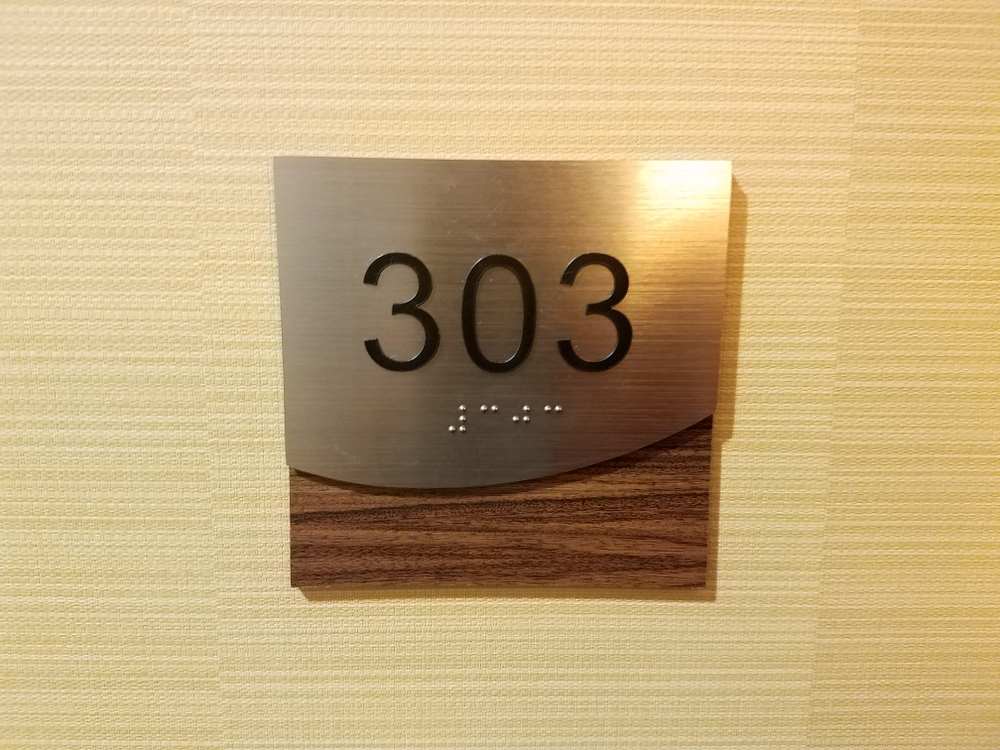
For commercial property owners and business operators in Wilmington, accessibility is not just a courtesy—it is a legal requirement. ADA-compliant signage plays a critical role in ensuring that buildings are accessible, navigable, and inclusive for individuals with disabilities. Failure to install proper ADA signs can result in legal penalties, financial losses, and reputational damage. Understanding why these signs are mandatory helps Wilmington property stakeholders stay compliant while creating a welcoming environment for everyone.
Understanding the ADA and Its Legal Authority
The Americans with Disabilities Act (ADA) is a federal civil rights law enforced by the U.S. Department of Justice. It mandates equal access to public accommodations, commercial facilities, and state and local government buildings. Under the ADA, signage is considered an essential accessibility feature, similar to ramps, elevators, and accessible restrooms.
For Wilmington commercial properties—including offices, retail stores, medical facilities, restaurants, hotels, and apartment complexes—ADA compliance is not optional. Any business open to the public must meet these standards, regardless of size or industry.
Why Signage Is a Core ADA Requirement
ADA-compliant signs ensure that people with visual impairments, mobility challenges, or cognitive disabilities can independently navigate a building. These signs provide clear, consistent information through tactile text, Braille, proper contrast, and standardized mounting heights.
Key areas where ADA signs are mandatory include:
-
Restrooms (including gender-specific and accessible restrooms)
-
Permanent rooms such as offices, conference rooms, and classrooms
-
Exits, stairwells, and elevators
-
Accessible entrances and parking areas
-
Directional and wayfinding locations
Without compliant signage, even an otherwise accessible building may be considered non-compliant under ADA regulations.
Federal Law Applies Locally in Wilmington
Although the ADA is a federal law, it is actively enforced at the local level. Wilmington commercial properties are subject to inspections, complaints, and lawsuits if they fail to meet accessibility standards. ADA violations are commonly identified during:
-
New construction and renovation permitting
-
Tenant build-outs and remodels
-
Business license renewals
-
Public or employee complaints
Importantly, lack of awareness does not excuse non-compliance. Property owners and tenants share responsibility, which means both landlords and business operators can be held liable.
Financial and Legal Consequences of Non-Compliance
One of the strongest reasons ADA-compliant signs are mandatory is the potential cost of ignoring them. Non-compliance can result in:
-
Federal fines starting at thousands of dollars per violation
-
Costly lawsuits, often initiated by private plaintiffs
-
Forced retrofitting under tight deadlines
-
Legal fees and settlement expenses
-
Business disruption and negative publicity
In contrast, installing compliant signage proactively is relatively affordable and far less risky.
ADA Signs Support Inclusive Business Practices
Beyond legal compliance, ADA signage reflects a commitment to inclusivity and equal access. Wilmington is a growing city with a diverse population that includes seniors, veterans, and individuals with disabilities. Businesses that invest in accessibility demonstrate professionalism, social responsibility, and respect for all customers and employees.
Clear, accessible signage also improves overall user experience. Even individuals without disabilities benefit from intuitive wayfinding, legible text, and consistent sign placement.
Common ADA Sign Requirements Businesses Overlook
Many Wilmington commercial properties mistakenly believe that generic signs are sufficient. However, ADA signage must meet specific technical criteria, including:
-
Raised tactile lettering with approved font styles
-
Grade 2 Braille placed correctly beneath text
-
High contrast between text and background
-
Non-glare finishes
-
Exact mounting height and wall placement
Directional signs may not require Braille, but permanent room signs almost always do. Misunderstanding these distinctions is a common compliance issue.
New Construction vs. Existing Buildings
New commercial construction in Wilmington must meet current ADA standards from the outset. However, existing buildings are also required to remove accessibility barriers when it is “readily achievable.” This often includes updating outdated or non-compliant signage.
Renovations, even minor ones, frequently trigger ADA upgrade requirements. For example, remodeling a restroom or office suite may require all related signage to be brought up to current standards.
Choosing the Right ADA Sign Partner in Wilmington
Because ADA regulations are precise, working with a professional sign company experienced in compliance is essential. A knowledgeable provider will assess your property, identify required sign locations, and ensure every sign meets federal guidelines.
Custom ADA signs can also align with your branding while remaining compliant, allowing Wilmington businesses to maintain a professional appearance without sacrificing accessibility.
Conclusion
ADA-compliant signs are mandatory for Wilmington commercial properties because they protect civil rights, reduce legal risk, and create accessible environments for all. Compliance is not just about avoiding penalties—it is about meeting ethical, legal, and business responsibilities.
For property owners and business operators in Wilmington, investing in ADA signage is a smart, necessary step toward long-term success, regulatory peace of mind, and inclusive community engagement.